
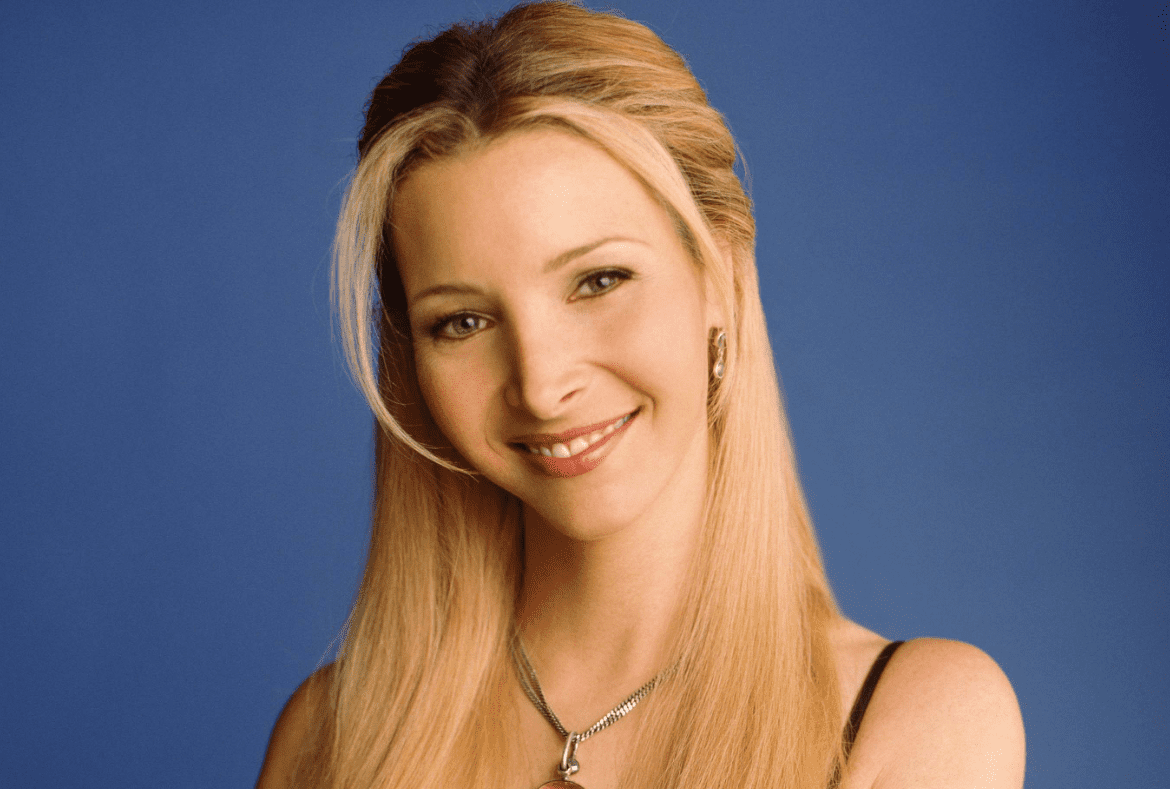
Introduction: A Character That Changed Sitcom History
When Lisa Kudrow first stepped into the role of Phoebe Buffay on Friends, she didn’t just join an ensemble cast — she helped shape one of the most influential sitcoms in television history.
Over the years, Phoebe evolved from an eccentric supporting character into a defining presence within the show’s emotional core. Her offbeat humor, surprising emotional depth, and fearless individuality turned her into something rare in pop culture: a character who feels just as relevant today as she did in the 90s.
What makes Phoebe Buffay endure is not just the comedy, but the way Lisa Kudrow built her into someone audiences could recognize themselves in — even in the most unexpected ways.
The Breakthrough That Defined a Generation
When Friends premiered in 1994, it quickly became a cultural landmark. But among its ensemble cast, Phoebe Buffay stood apart immediately.

Unlike the more conventional characters navigating careers and relationships in New York City, Phoebe lived by her own rules. She was spiritual, unpredictable, and completely unconcerned with fitting into social expectations.
Kudrow’s performance gave the character a rare authenticity. Instead of smoothing Phoebe’s eccentricities, she fully embraced them, allowing her quirks to become the foundation of her charm.
Fearless Authenticity and Unapologetic Individuality
One of the most enduring reasons Phoebe Buffay remains beloved is her refusal to conform. She never tried to be “normal,” and that made her unforgettable.
Phoebe spoke her mind, followed her instincts, and embraced a worldview shaped by experience rather than convention. In doing so, she became a quiet symbol of self-acceptance long before that idea became a mainstream cultural theme.
Kudrow’s portrayal made Phoebe feel genuinely free — not as a gimmick, but as a fully realized personality who simply existed outside of expectations.
“Smelly Cat” and the Beauty of Imperfection
Few sitcom moments are as recognizable as Phoebe’s performances of “Smelly Cat.” What could have been a simple comedic bit became one of the most iconic running jokes in television history.
A big part of that success came from Kudrow’s creative choice to keep Phoebe musically imperfect. Instead of portraying a skilled musician, she leaned into awkward guitar playing and off-key singing, reinforcing Phoebe’s belief that confidence matters more than technical ability.
That decision turned “Smelly Cat” into something larger than a joke. It became a statement about self-expression — imperfect, sincere, and completely unbothered by judgment.
Emotional Depth Beneath the Comedy
While Phoebe is often remembered for her eccentric humor, there is a deeper emotional layer that helped define her impact.
Behind the jokes, she carried a history shaped by hardship and resilience. Rather than letting that past weigh her down, she transformed it into empathy and emotional insight.
Kudrow gave Phoebe a subtle emotional intelligence that often appeared in unexpected moments — offering comfort, perspective, or honesty when the group needed it most. This balance of humor and heart is what made the character feel fully human.
A Role That Earned Critical Recognition
Lisa Kudrow’s performance did not go unnoticed. Her work as Phoebe Buffay earned her an Emmy Award in 1998, along with a Screen Actors Guild Award, solidifying her place among the standout performers of the series.
These awards reflected what audiences already understood: Phoebe wasn’t just comic relief. She was one of the most carefully crafted and memorable characters in modern television.
The Balancing Force of the Group
Within the dynamic of Friends, Phoebe served a unique structural purpose. While the other characters often grounded the show in realism, she introduced unpredictability.
Her surreal observations and unconventional logic frequently shifted scenes in unexpected directions. Yet despite her eccentricity, she often delivered some of the show’s most emotionally honest moments.
This balance between absurdity and sincerity helped expand the emotional range of the series as a whole.
Life Beyond Friends and Continued Reinvention
Although Phoebe Buffay remains her most iconic role, Lisa Kudrow continued to evolve creatively after Friends ended in 2004.
Her work in The Comeback showcased her ability to satirize Hollywood itself, earning critical praise for its sharp writing and bold tone. She later explored darker dramatic territory in projects like No Good Deed, proving her versatility beyond sitcom comedy.
This continued reinvention reinforces why her legacy remains strong — she never relied on one role, even one as iconic as Phoebe.
Legacy: Why Phoebe Buffay Still Matters
Decades after Friends ended, Phoebe Buffay continues to resonate with audiences across generations. She is still quoted, referenced, and rediscovered by new viewers who connect with her individuality and emotional honesty.
What makes her lasting appeal so powerful is the balance Kudrow created: humor that feels effortless, eccentricity that feels real, and vulnerability that feels deeply human.
Phoebe Buffay remains a reminder that being different is not something to hide — it’s something to own.
Conclusion: A Character That Outgrew Her Sitcom
Lisa Kudrow’s Phoebe Buffay endures because she was never written as a typical sitcom archetype. She was built on contradiction — funny yet emotional, chaotic yet grounded, strange yet deeply relatable.
That complexity is what turned her into one of television’s most enduring figures. More than a character, Phoebe became a cultural symbol of authenticity and self-expression that still feels relevant today.
And that is why, years later, her impact hasn’t faded — it has only grown stronger.









Comments are closed.