


Hollywood loves a bold casting moment. However, some announcements feel bigger than buzz. They feel historic. That is exactly the case as Lily Collins steps into the shoes of Audrey Hepburn, one of the most enduring icons in film history.
The Emily in Paris star is officially set to portray Hepburn in a new movie about the making of Breakfast at Tiffany’s. For fans of classic cinema and modern streaming royalty alike, this casting bridges generations. More importantly, it promises a deep dive into the drama, glamour, and cultural shifts behind one of the most influential films ever made.
Lily Collins to Play Audrey Hepburn in Breakfast at Tiffany’s Film
Lily Collins, best known for her leading role in the Netflix hit Emily in Paris, will portray Audrey Hepburn in an upcoming film chronicling the creation of Breakfast at Tiffany’s. The project is based on the nonfiction book Fifth Avenue, 5 AM: Audrey Hepburn, Breakfast at Tiffany’s and the Dawn of the Modern Woman by Sam Wasson.
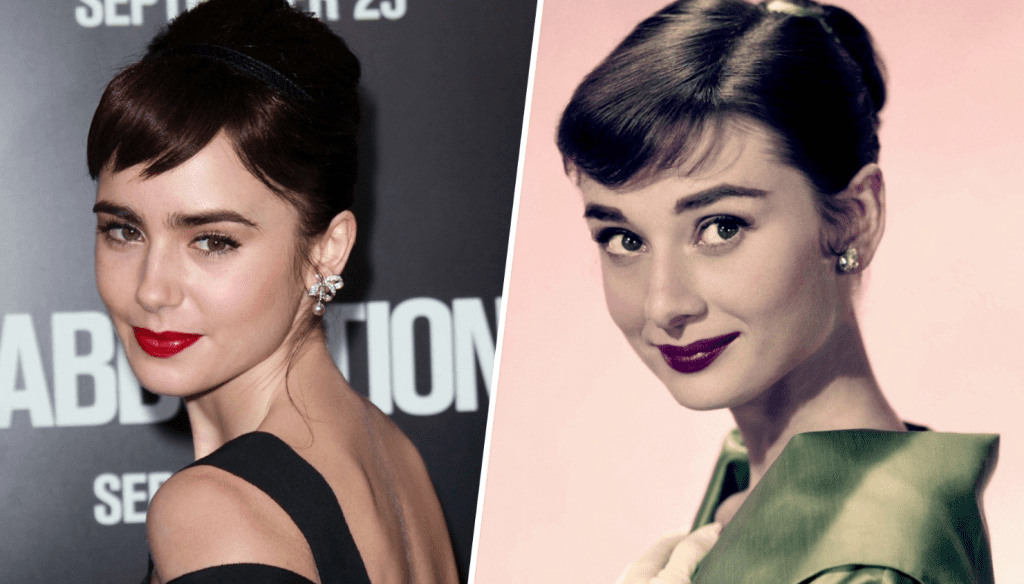
The screenplay comes from Alena Smith, creator of the Apple TV series Dickinson. At this stage, a director has not yet been announced. Nevertheless, anticipation is already building across Hollywood and among film historians.
Collins shared her excitement publicly, revealing that the project has been nearly a decade in development. She described herself as “honoured and ecstatic,” underscoring her lifelong admiration for Hepburn. Clearly, this is not just another role. It is a passion project.
Why Breakfast at Tiffany’s Still Matters
To understand the magnitude of this casting, we must revisit the legacy of Breakfast at Tiffany’s. Released in 1961, the romantic comedy became a cultural landmark.
The film was adapted from the 1958 novella by Truman Capote. Set in New York City, the story follows Holly Golightly, a charming and mysterious socialite navigating high society while forming a bond with her neighbor, a struggling writer.
However, the film significantly altered Capote’s original work. The unnamed narrator in the novella became a heterosexual love interest. The tone shifted toward mainstream romantic comedy. Despite the changes, the film resonated deeply with audiences.
It earned critical acclaim, grossed approximately 14 million dollars worldwide at the time, and won two Academy Awards. Composer Henry Mancini received the Oscar for Best Original Score, while the song Moon River became an instant classic.
Over time, Holly Golightly evolved into a symbol of modern femininity, independence, and fragile glamour. The film’s opening scene outside the flagship Tiffany store on Fifth Avenue remains one of the most iconic sequences in cinematic history.
The Casting Controversy That Shaped Film History
Interestingly, Audrey Hepburn was not the first choice for Holly Golightly. Capote famously wanted Marilyn Monroe for the role. However, Monroe was under contract elsewhere and reportedly advised against accepting the part.
Other major stars, including Shirley MacLaine and Kim Novak, also passed on the role. Eventually, Hepburn was cast, much to Capote’s frustration. He later criticized the decision, claiming the film was miscast.
Despite the controversy, Hepburn’s performance redefined the character. Paramount’s publicity team worked hard to soften Holly’s image ahead of release, emphasizing Hepburn’s elegance and poise rather than the character’s morally ambiguous lifestyle.
In hindsight, that gamble paid off. Hepburn’s portrayal became legendary, cementing her status as a global fashion and film icon.
A Film About the Making of an Icon
The upcoming biographical drama promises to explore the behind the scenes tension that shaped Breakfast at Tiffany’s. According to early details, the film will be the first comprehensive account of the movie’s production.
It will reportedly cover everything from preproduction struggles to on set mishaps. For example, one crew member was nearly electrocuted during the filming of the opening scene outside Tiffany’s.
Moreover, the story will highlight the cultural transformation occurring at the time. The film marked a shift in how women were portrayed on screen. It also captured the dawn of a more modern female archetype in Hollywood.
By focusing on the making of the movie rather than simply retelling Hepburn’s life, the project offers a fresh angle. It places Collins at the center of a narrative about artistic risk, studio politics, and evolving gender norms.
Lily Collins as Audrey Hepburn A Strategic and Symbolic Choice
Casting Lily Collins as Audrey Hepburn feels both strategic and symbolic. Collins already embodies a refined, fashion forward persona in Emily in Paris. Yet she also brings emotional depth and vulnerability to her performances.
Additionally, Collins understands the weight of legacy. As the daughter of musician Phil Collins, she has grown up in the spotlight. Therefore, she knows the expectations that come with carrying a famous name.
Still, portraying Hepburn presents a unique challenge. Hepburn’s elegance, humanitarian work, and distinctive screen presence make her one of cinema’s most revered figures. Any actor stepping into that role faces intense scrutiny.
However, Collins’ long term dedication to the project signals seriousness. Nearly ten years of development suggests careful preparation rather than opportunism.
The Cultural Power of Reexamining Hollywood Icons
Hollywood has recently revisited several classic stars through biopics and behind the scenes dramas. Yet Audrey Hepburn remains relatively underexplored on the big screen.
In 2000, Jennifer Love Hewitt portrayed Hepburn in a television film. Later, Rooney Mara was attached to a separate biopic directed by Luca Guadagnino, but that project was ultimately shelved.
This new film may finally deliver the in depth portrayal audiences have been waiting for. Importantly, it shifts the focus to a defining moment in Hepburn’s career rather than attempting a cradle to grave biography.
As a result, the narrative can explore not only Hepburn’s artistry but also Hollywood’s evolving image of womanhood during the early 1960s.
What This Means for Modern Audiences
Today’s viewers consume content across streaming platforms and social media at lightning speed. Yet stories about Old Hollywood still captivate audiences. Why? Because icons endure.
By casting a contemporary star like Collins, the film connects younger viewers with classic cinema history. At the same time, longtime fans of Hepburn gain a deeper understanding of the pressures she faced.
Furthermore, the film arrives at a moment when discussions about female agency in entertainment are more relevant than ever. Revisiting the making of Breakfast at Tiffany’s allows audiences to reflect on how far the industry has come and how far it still needs to go.
Conclusion An Icon Reborn for a New Generation
Lily Collins portraying Audrey Hepburn is more than clever casting. It is a cinematic event that unites past and present.
By exploring the making of Breakfast at Tiffany’s, the upcoming film promises insight into ambition, controversy, and the birth of a cultural phenomenon. Moreover, it reintroduces Hepburn’s legacy to a generation that may know the little black dress but not the story behind it.
If executed thoughtfully, this project could redefine how we view both Audrey Hepburn and Lily Collins. One icon inspired the world. Now, another prepares to honor her.








Comments are closed.