
Jacob Elordi’s Darkest, Most Liberating Role Yet
Jacob Elordi is no longer interested in being a heartthrob.
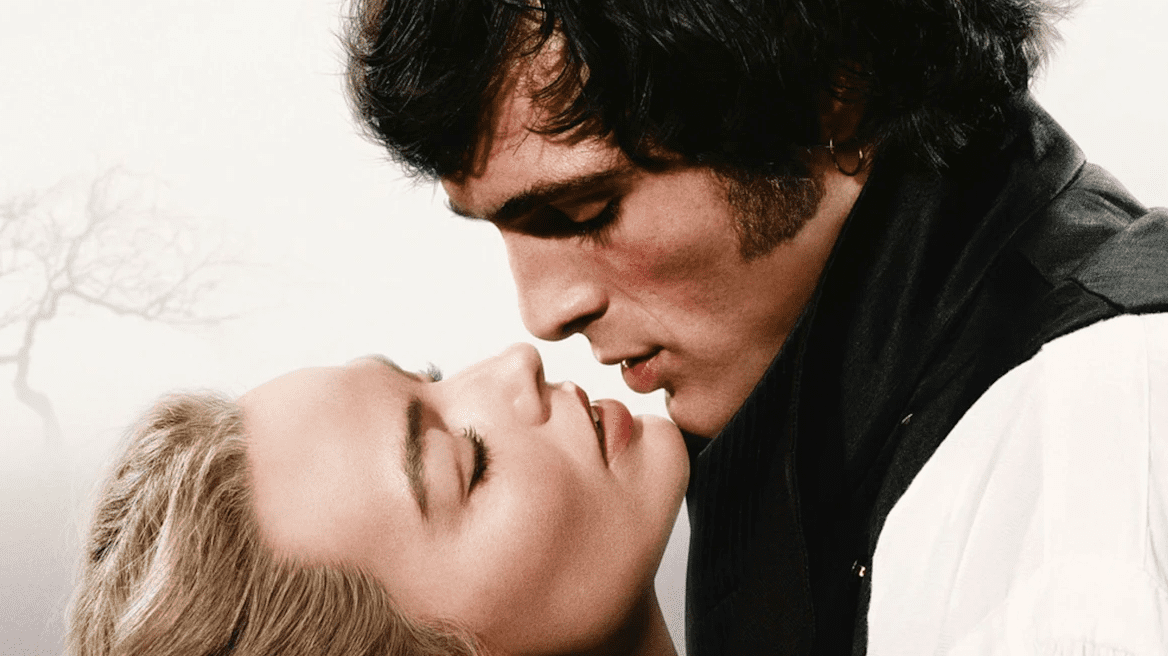
With Wuthering Heights, the Australian actor completes a striking evolution — from teen idol to one of the most daring performers of his generation. His portrayal of Heathcliff is brutal, vulnerable, and deeply romantic, marking a creative turning point that feels both fearless and inevitable.
The film, directed by Emerald Fennell and starring Margot Robbie as Catherine Earnshaw, reimagines Emily Brontë’s 1847 classic as a gothic epic charged with obsession, grief, and desire.
And at its core is an intense creative bond that has captured the industry’s attention.
The Pull of Margot Robbie
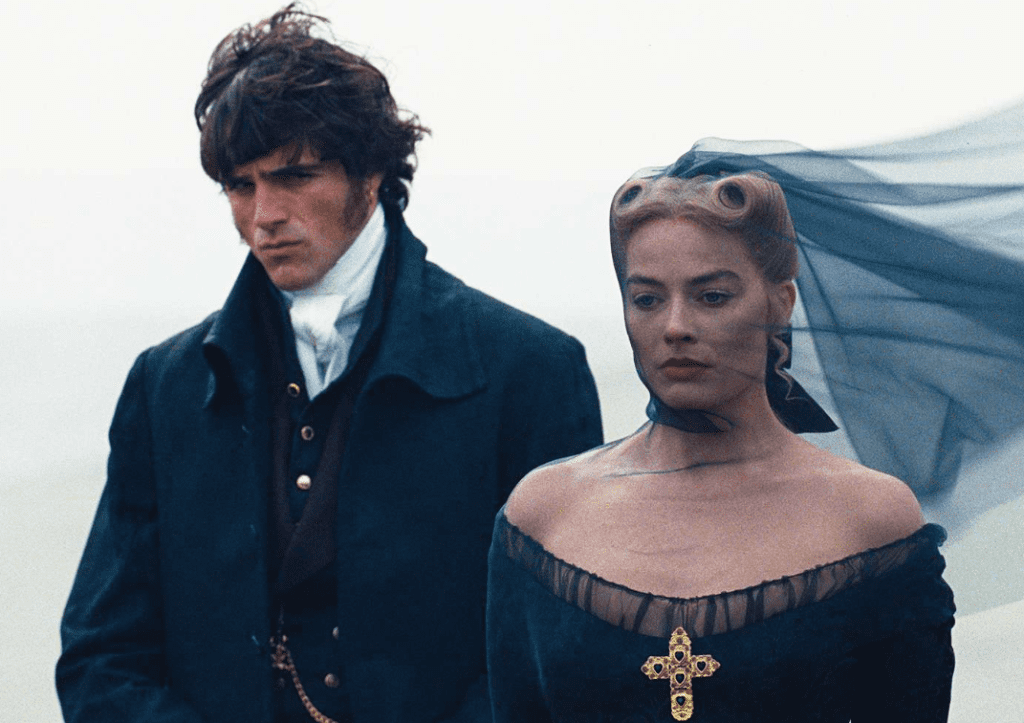
Working opposite Margot Robbie proved transformative for Elordi.
Those close to the production describe a connection built on admiration, trust, and total immersion in character. Robbie’s presence on set carried a gravitational force — not performative, but deeply focused.
Elordi has spoken openly about watching her closely, fascinated by her discipline and emotional precision. It wasn’t idolisation. It was recognition.
Robbie, for her part, has praised Elordi’s depth, commitment, and fearlessness, calling him one of the most compelling actors she’s worked with — comparisons to Daniel Day-Lewis included.
The result is a screen partnership that feels unnervingly real.
Yorkshire Moors and Emotional Reckoning
Filming on the Yorkshire moors left a lasting imprint on Elordi.
Stepping into costume on the vast, wind-beaten landscape clarified everything. The desolation, the isolation, the emotional violence of the story — it all made sense there.
The environment became part of the performance. Elordi has described feeling spiritually exposed on the moors, as if the land itself demanded honesty.
That vulnerability feeds directly into his Heathcliff: a man shaped by abandonment, rage, and impossible love.
A Role That Hurt — Physically and Emotionally
Elordi’s commitment was absolute.
During early filming, he suffered a serious burn on his back — an accident that echoed Heathcliff’s scars with unsettling symmetry. Rather than distance himself, Elordi leaned deeper into the character’s suffering.
Pain, fear, and doubt became tools, not obstacles.
For Elordi, acting has always carried an imposter’s anxiety — the sense that success arrived too fast, too soon. Wuthering Heights confronted that fear head-on.
And something shifted.
From Heartthrob to Risk-Taker
After Saltburn and Frankenstein, Elordi now gravitates toward characters that are uncomfortable, unsettling, and emotionally raw.
He no longer chases approval. He chases meaning.
Seeing the finished Wuthering Heights confirmed that instinct. For the first time, Elordi watched his work and felt the payoff — deliberate choices landing, emotion resonating, silence speaking louder than dialogue.
It left him lighter. Freer.
A Gothic Romance for a Restless Generation
Emerald Fennell’s Wuthering Heights is unapologetically intense.
It embraces excess, despair, eroticism, and beauty — the kind of communal cinematic experience that demands to be felt in a theatre, not scrolled past.
With Charli XCX’s modern edge woven into its atmosphere and Robbie’s LuckyChap Entertainment backing the project, the film bridges classical literature and contemporary hunger for emotional truth.
This is not nostalgia. It’s revival.
Why This Film Matters Now
In an era of disposable content, Wuthering Heights insists on permanence.
It celebrates art made slowly, painfully, and collectively. Hundreds of craftspeople built this world by hand — costumes, sets, scars, storms.
For Elordi, that matters. For audiences starved of sincerity, it matters even more.
Because at its heart, Wuthering Heights is about obsession — with love, with creation, with something that refuses to fade.
And Jacob Elordi has never looked more alive.







Comments are closed.