
In the fast moving world of digital culture, becoming iconic and viral is the ultimate goal. Millions of images are uploaded every day, yet only a handful define an era. One of the clearest examples is Ellen DeGeneres’ legendary Oscar selfie from 2014. More than a fun celebrity snapshot, it became a blueprint for how a single moment can dominate the internet, shape pop culture, and secure a permanent place in history.
For ICONIC TIMES MAGAZINE, this story is more than nostalgia. It is a masterclass in how spontaneity, timing, and human connection can turn a simple idea into a global phenomenon.
The Selfie That Changed Internet History
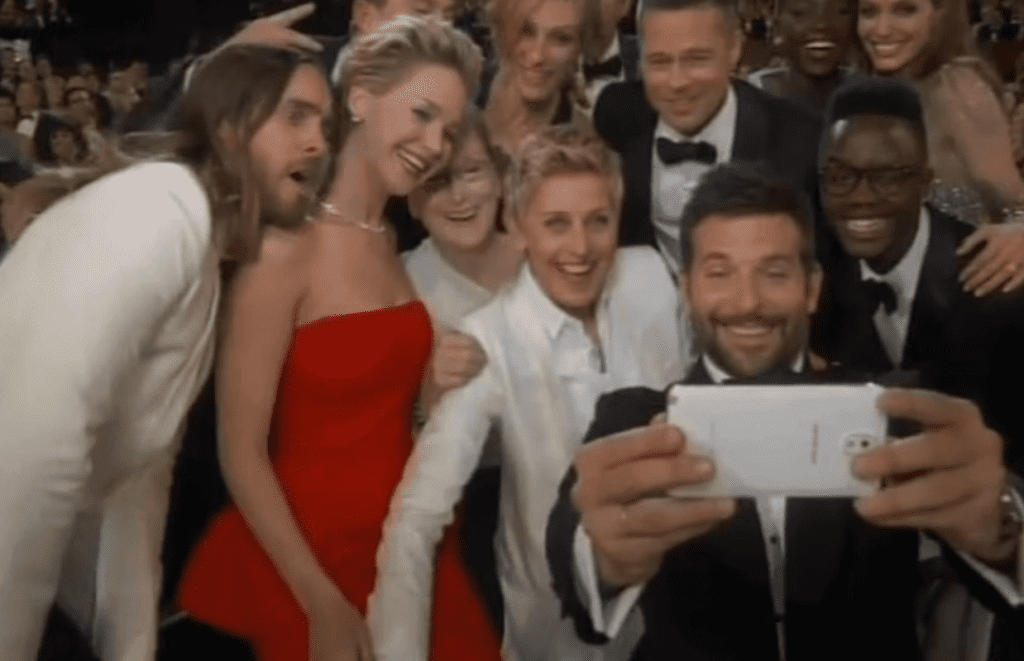
On March 2, 2014, during the 86th Academy Awards, Ellen DeGeneres made a bold move. While hosting one of the most watched live broadcasts in the world, she stepped off the stage and into the audience with a simple goal. She wanted to take a selfie that would break records.
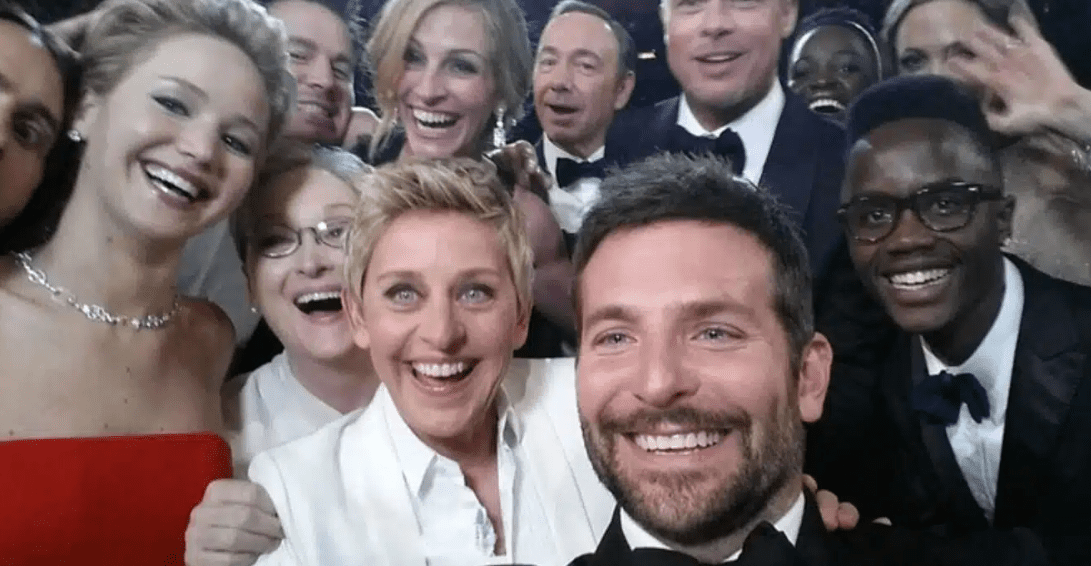
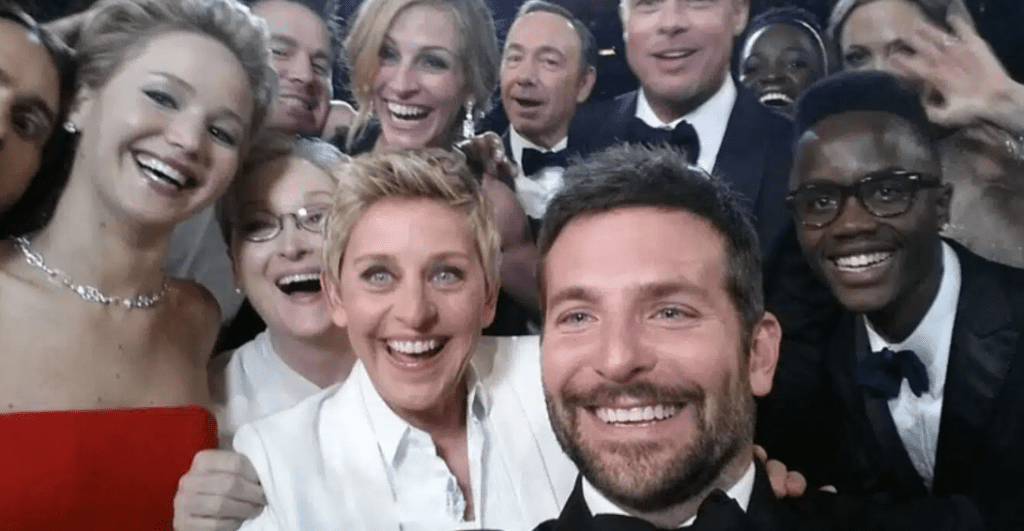
What followed was not planned in detail, yet it was executed with instinct and confidence. In one frame, she gathered some of the biggest names in cinema. The image featured Meryl Streep, Bradley Cooper, Jared Leto, Angelina Jolie, Brad Pitt, Julia Roberts, Jennifer Lawrence, Kevin Spacey, Lupita Nyong’o, Peter Nyong’o, Channing Tatum, and Ellen herself.
The photo was posted within minutes. Almost immediately, Twitter, now known as X, struggled to handle the traffic. Within an hour, the image surpassed one million retweets. Eventually, it crossed three million shares and became the most shared photo in the world at the time.
How a Simple Idea Became an Iconic Viral Moment
The Power of Live Energy
One of the reasons this image resonated so deeply was its live context. The Oscars are a global event, watched in real time by millions. Ellen’s decision to act during the broadcast gave the selfie an unmatched sense of urgency and authenticity.
Live moments feel unfiltered. Audiences trust them more. This authenticity is a core ingredient in any iconic viral moment.
Celebrity Density and Cultural Weight
The selfie worked because it brought together people who rarely share the same frame. Each face carried its own fan base, history, and cultural influence. When combined, their collective reach multiplied instantly.
This was not just a celebrity photo. It was a snapshot of Hollywood power, captured casually and without polish. That contrast made it irresistible.
The Birth of the Ellen DeGeneres Oscar Selfie
A Spark of Intent
Ellen DeGeneres had already considered taking selfies throughout the night. However, she wanted something bigger. Her idea was clear and ambitious. She openly told Meryl Streep that she wanted to create the most retweeted photo in history.
That clarity of intent matters. Viral success often begins with a strong, simple goal.
Bradley Cooper and the Perfect Angle
As Ellen gathered stars around her, Bradley Cooper stepped in and took the phone. His instinct to act as the photographer made the image possible. He managed to fit more people into the frame and create a natural composition.
This small, unplanned decision played a huge role in the final result. It proves that collaboration and quick thinking are essential in viral creation.
Why the Image Crashed Twitter
Timing and Platform Power
The selfie was posted at the exact moment global attention was already at its peak. Twitter was the primary platform for live reactions during televised events. By sharing the image there, Ellen met the audience where they already were.
The platform amplified the moment instantly. Retweets spread faster than Twitter’s servers could handle.
Emotional Connection Over Perfection
The image was not technically perfect. Some faces were partially cut off. The lighting was uneven. Yet none of that mattered. What people saw was joy, chaos, and genuine connection.
Audiences share content that feels human. This emotional honesty is why the image traveled so far, so fast.
Lessons on Becoming Iconic and Viral
Focus on Shared Experience
Viral moments thrive on inclusivity. The Oscar selfie made viewers feel like insiders. It broke the barrier between celebrities and audiences.
For ICONIC TIMES MAGAZINE, this highlights a key rule. Content that invites people into a shared experience has a far greater chance of becoming iconic.
Simplicity Wins
The idea was easy to understand. Take a selfie. Share it. Let the internet do the rest.
Overcomplicated concepts rarely go viral. Simplicity allows audiences to react instantly without explanation.
Authenticity Is Non Negotiable
Audiences are quick to detect forced moments. The Oscar selfie succeeded because it felt spontaneous, even though it was intentional.
True virality sits at the intersection of planning and natural execution.
The Legacy of an Iconic Viral Moment
More than a decade later, the Ellen DeGeneres Oscar selfie remains a reference point in digital culture. It marked the first time an awards show moment became massively viral in real time through social media alone.
Brands, creators, and media outlets still study it. Not because it was flashy, but because it was honest, timely, and human.
Conclusion
Becoming iconic and viral is not about chasing algorithms or copying trends. It is about understanding people, moments, and platforms. Ellen DeGeneres’ Oscar selfie proves that a clear idea, executed at the right time with authenticity, can break the internet and define a generation.












Comments are closed.