
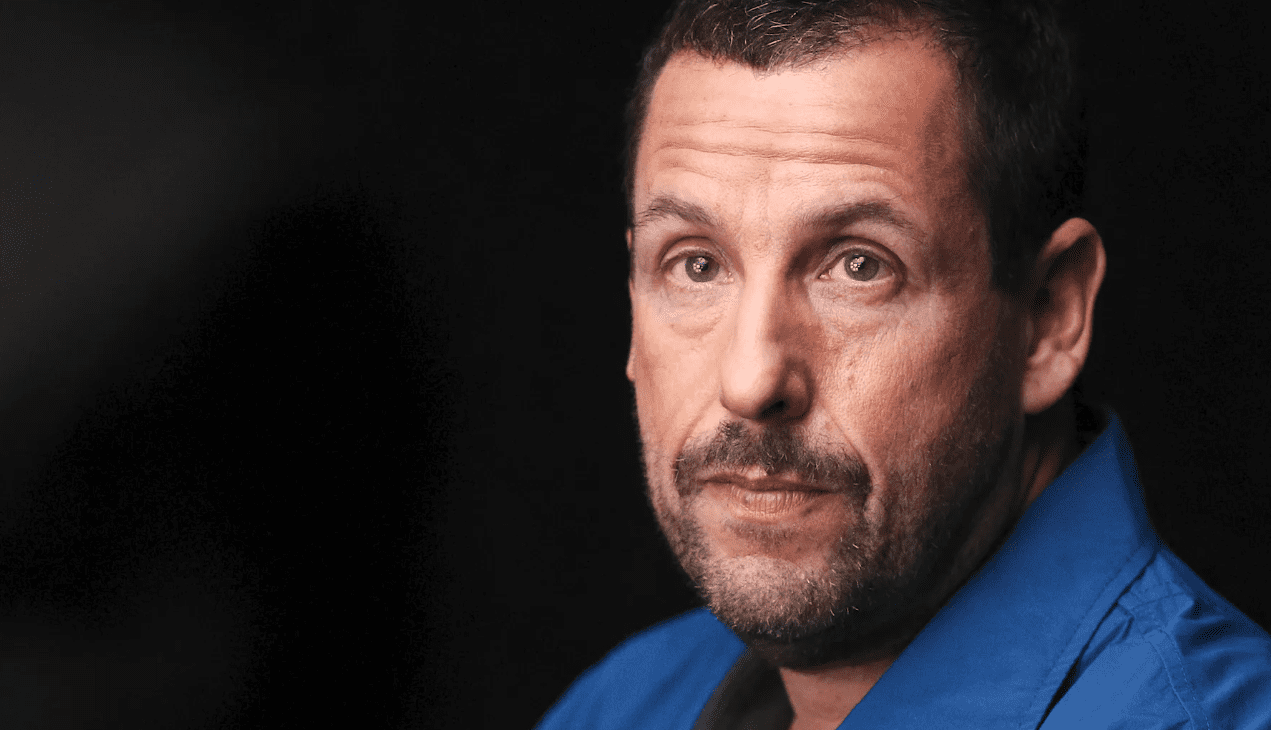
The Empire of “The Sandman”
Few careers in Hollywood follow a straight line, but Adam Sandler has built something even more unusual: a career that restarts itself every decade and somehow grows bigger each time.
As of 2026, Sandler’s estimated net worth sits at $440 million, placing him among the wealthiest entertainers in comedy history. But unlike traditional Hollywood wealth stories built on prestige franchises or blockbuster superhero roles, Sandler’s empire is built on something far more consistent: volume, loyalty, and control over production.
From SNL Exit to Global Comedy Powerhouse
Sandler’s rise didn’t begin with dominance—it began with rejection.
After being dismissed from Saturday Night Live, he didn’t fade. Instead, he pivoted directly into film, launching a wave of box-office comedy hits including Billy Madison, The Waterboy, Big Daddy, and 50 First Dates.
These films didn’t just define late-90s and early-2000s comedy—they built the foundation of what would become Happy Madison Productions, founded in 1999.
That move quietly changed everything: Sandler stopped being just an actor and became a profit engine controlling his own output.
Happy Madison: The Real Money Machine
Happy Madison Productions is where Sandler’s empire truly begins.
Instead of relying only on acting fees, Sandler earns through:
- Producer credits
- Backend profit participation
- Production ownership
- Distribution deals
This structure means every project generates multiple income streams—not just a paycheck, but long-term revenue flow.
Industry analysts have repeatedly pointed out that this model is why Sandler’s wealth has remained unusually stable compared to many peers from his era.
The Netflix Effect: A Career Reinvention Few Saw Coming
In 2014, Sandler made one of the most important deals of his career: a multi-film partnership with Netflix.
At the time, streaming originals were still experimental. Sandler’s move was early, risky, and ultimately transformative.
What followed was a new phase of dominance:
- Consistently high-performing Netflix comedies
- Global streaming reach across generations
- Massive viewership numbers that kept him relevant without theatrical dependence
While critics often underestimate his films, data consistently shows one thing: people watch them in huge numbers worldwide.
This is where Sandler shifted from movie star to platform asset.
The $20 Million Formula
Reports over the years have estimated Sandler earns around $20 million per film, but that number only reflects one layer of his income.
When combined with:
- Streaming performance bonuses
- Production revenue
- Licensing rights
- Long-term catalog value
His real annual earnings often extend far beyond traditional salary expectations.
Why Sandler Still Works in 2026
In a Hollywood obsessed with reinvention, Sandler’s success comes from something almost opposite: consistency with controlled evolution.
He doesn’t chase trends—he adapts just enough to stay embedded in them.
From slapstick comedies to more dramatic turns like Uncut Gems, Sandler has proven he can shift tone without losing audience loyalty.
That duality—comedian and serious actor—has expanded his cultural relevance far beyond his early image.
The Cultural Paradox of Adam Sandler
What makes Sandler unique is not just wealth, but perception.
Critics often dismiss his work, while audiences continuously return. That gap between critical reception and commercial success has become part of his identity.
He exists in a rare category:
- Not purely prestige
- Not purely commercial
- But massively profitable in both visibility and longevity
Legacy in the Streaming Era
In 2026, Sandler represents something bigger than comedy.
He represents the transition from Hollywood studio dependence to creator-owned streaming ecosystems.
While many actors struggled to adapt to the streaming shift, Sandler didn’t just adapt—he helped define it.
His empire is not built on a single iconic role, but on a continuous loop of production, distribution, and global consumption.
Final Word: The Sandman Never Really Sleeps
At 59, Sandler’s career shows no signs of slowing. His financial structure, streaming partnerships, and production control ensure that his influence will likely extend well beyond traditional Hollywood timelines.
In an industry defined by volatility, Adam Sandler stands out as something rare:
A comedy star who became a business model.














Comments are closed.