
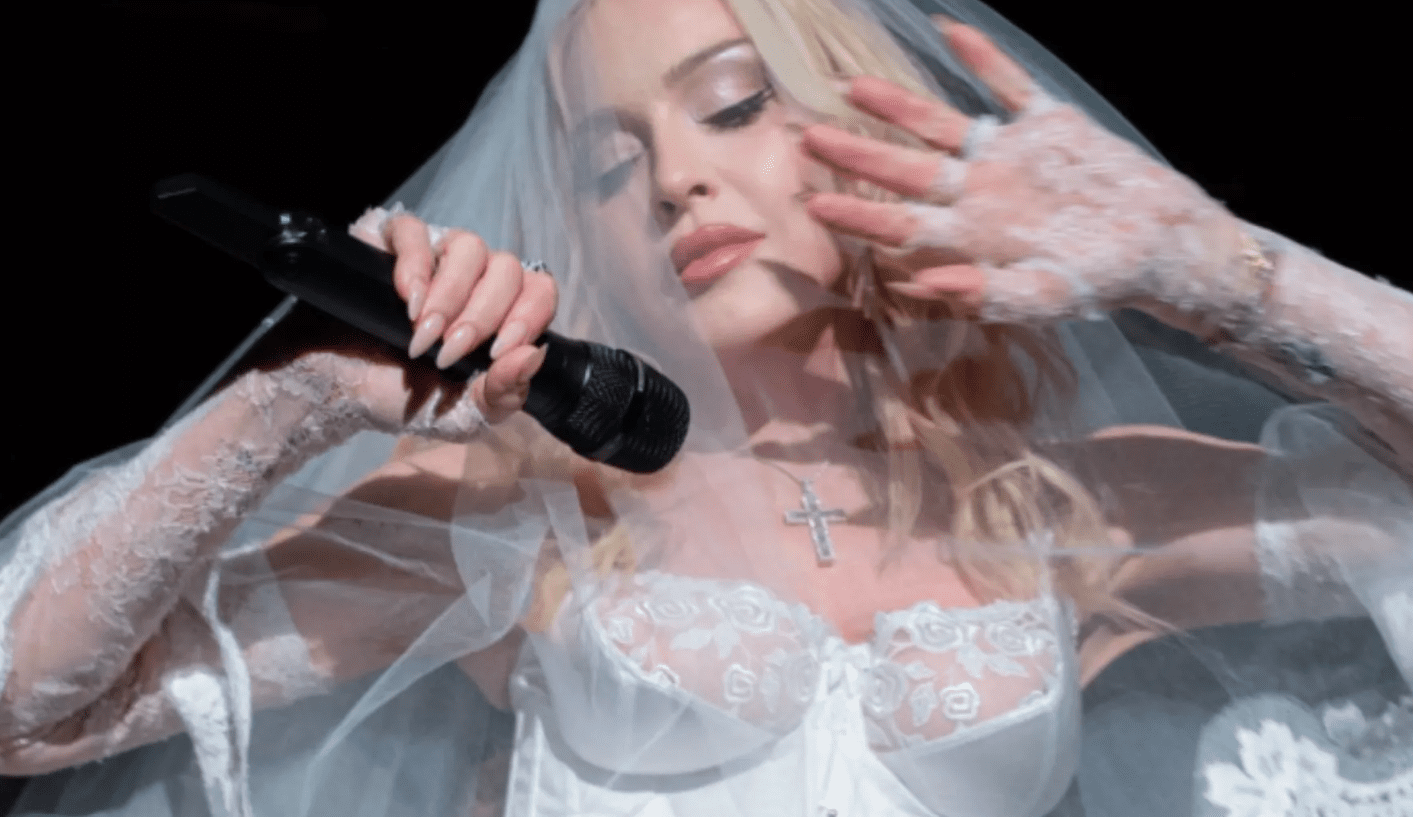
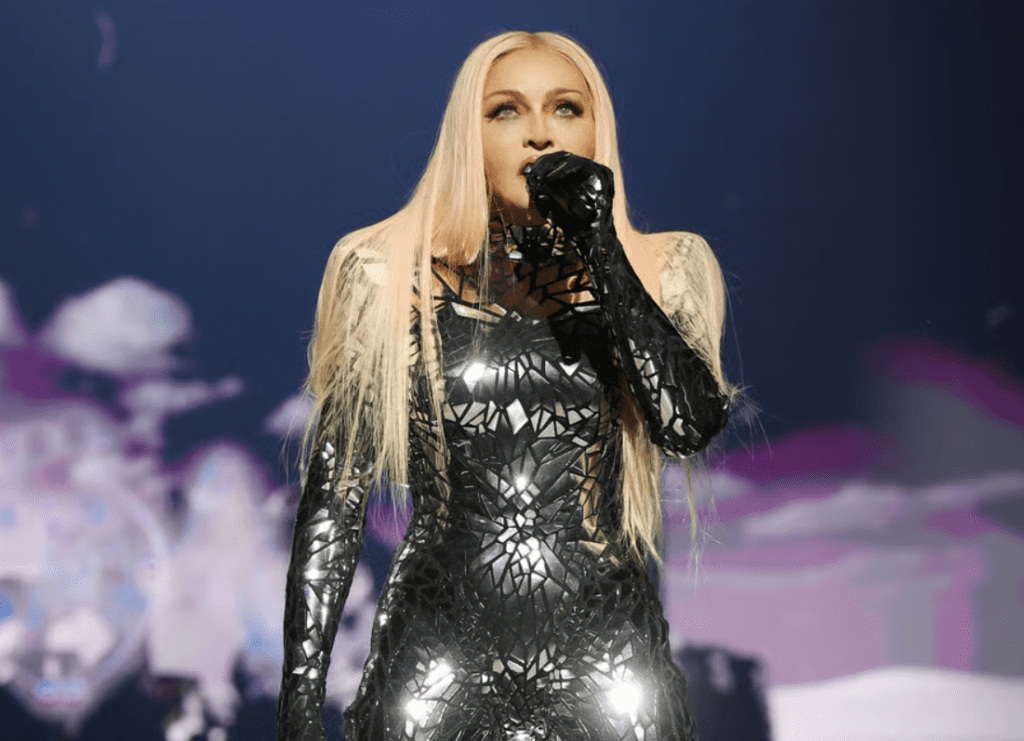
Just weeks before the release of Confessions II, Madonna is once again dominating cultural conversation. With a new album on the horizon, a high-profile FIFA World Cup Final halftime performance announced, and a fresh wave of younger fans discovering her work online, the timing feels perfect to revisit a remarkable truth: no artist has reshaped modern pop culture quite like Madonna.
For more than four decades, Madonna has been far more than a chart-topping musician. She has been a cultural architect, a fearless provocateur, a champion of self-expression, and one of the most influential women in entertainment history. Her impact extends beyond music into fashion, feminism, LGBTQ visibility, celebrity culture, and the very blueprint of modern pop stardom.
As the world prepares for yet another Madonna era, her legacy feels more relevant than ever.
Madonna’s Influence on Pop Culture Still Shapes Today’s Stars
The clearest evidence of Madonna’s influence can be seen in the artists who followed her.
Many of today’s biggest female performers operate within a landscape that Madonna helped create. Long before reinvention became a standard career strategy, she transformed herself repeatedly, proving that artists could evolve without losing relevance.
From Taylor Swift’s mastery of narrative control to Charli XCX’s willingness to challenge pop conventions and Sabrina Carpenter’s playful approach to sexuality and performance, echoes of Madonna’s influence are everywhere.
Before them came Britney Spears, who inherited both the opportunities and pressures of female superstardom that Madonna helped define. The modern pop star’s ability to control their image, challenge expectations, and continuously reinvent themselves owes much to Madonna’s example.
The Artist Who Turned Pop Into Cultural Commentary
Madonna never viewed music as simply entertainment.
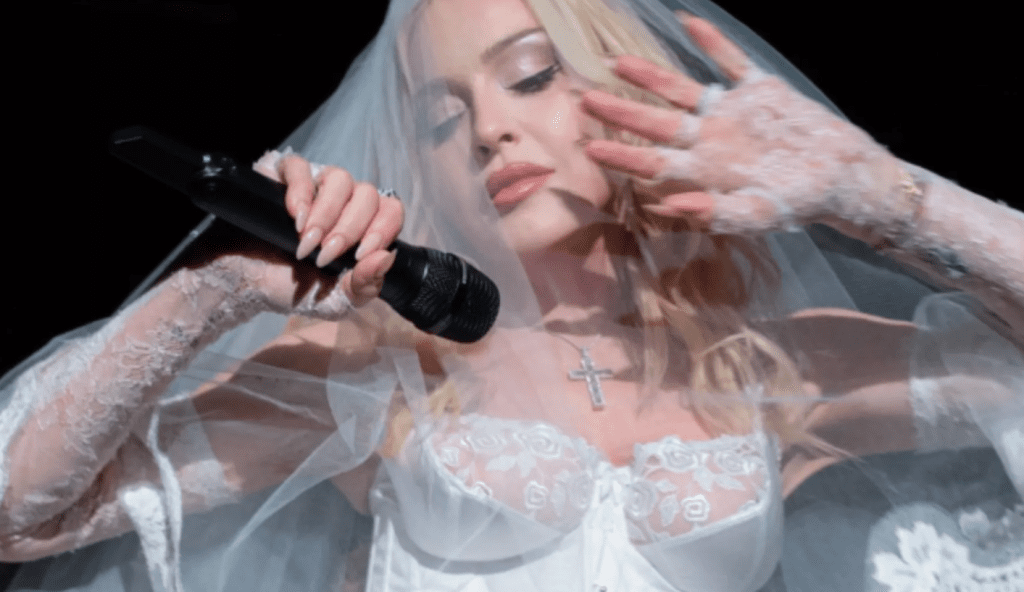
From the beginning, she understood that pop music could function as art, fashion, social commentary, and personal storytelling simultaneously. While many artists focused solely on records and concerts, Madonna built complete cultural experiences.
Each era came with its own visual identity, aesthetic language, and social conversation. Whether exploring religion, sexuality, politics, or personal freedom, she consistently pushed audiences to engage with ideas beyond the music itself.
This approach helped transform the role of pop stars. Today, multimedia storytelling is expected from major artists. Madonna was doing it decades before it became standard practice.
Breaking Boundaries for Women in Music
One of Madonna’s most significant contributions has been expanding what women are allowed to do in popular culture.
Throughout her career, she challenged expectations surrounding female sexuality, ambition, and power. At a time when women in music were often expected to remain agreeable and non-threatening, Madonna embraced controversy and control.
She openly discussed subjects many considered taboo. She refused to apologize for her ambition. Most importantly, she insisted on occupying space exactly as she wished.
The backlash was often intense. Yet many freedoms enjoyed by female artists today were earned through battles Madonna fought publicly throughout her career.
Her willingness to endure criticism helped create opportunities for future generations of women to express themselves more freely.
Madonna and LGBTQ Advocacy
A Pioneer During Difficult Times
Long before corporate Pride campaigns became commonplace, Madonna openly embraced LGBTQ communities.
Her support extended far beyond symbolism. During the AIDS crisis, when much of mainstream entertainment remained cautious or silent, she consistently advocated for compassion, awareness, and inclusion.
The influence of ballroom culture on “Vogue” introduced millions of people to queer artistic expression. Her concerts, videos, and public appearances frequently showcased LGBTQ performers and perspectives at a time when such visibility remained rare in mainstream media.
Importantly, Madonna did not simply market to LGBTQ audiences. She actively helped bring queer culture into the center of popular entertainment.
That contribution remains one of the most important aspects of her legacy.
Reinvention as an Art Form
Few artists have reinvented themselves as successfully or as frequently as Madonna.
Each major album represented a distinct creative chapter rather than a continuation of the previous one.
The spiritual and electronic experimentation of Ray of Light marked a dramatic shift from earlier work. Music embraced futuristic pop with confidence and wit. Confessions on a Dance Floor delivered one of the defining dance-pop records of the 21st century.
What made these transformations remarkable was their authenticity. Madonna rarely chased trends. Instead, she absorbed cultural movements, filtered them through her own artistic vision, and often arrived ahead of the curve.
This constant evolution helped her remain culturally relevant across multiple generations.
Why Madonna’s Risk-Taking Matters
Not every Madonna project has been universally celebrated. Yet even her less commercially successful periods reveal something important about her artistry.
Albums such as American Life, Hard Candy, MDNA, Rebel Heart, and Madame X divided audiences and critics. However, they also demonstrated a willingness to experiment when many artists would have chosen safety.
In an increasingly algorithm-driven entertainment landscape, creative risk-taking has become rarer. Madonna’s career serves as a reminder that innovation often requires the possibility of failure.
Some of her most fascinating work emerged from projects that challenged expectations rather than satisfied them.
That unpredictability remains central to her appeal.
The Blueprint for Modern Pop Tours
How Blond Ambition Changed Live Entertainment
Modern arena pop concerts owe an enormous debt to Madonna.
Today’s elaborate stage productions, cinematic interludes, conceptual storytelling, costume changes, and political symbolism all trace elements of their DNA back to her groundbreaking tours.
The 1990 Blond Ambition World Tour remains one of the most influential live productions in music history. Combining choreography, theatre, religion, fashion, sexuality, and visual spectacle, it redefined what a pop concert could be.
Decades later, the production still feels remarkably contemporary.
Her 2023 Celebration Tour further reinforced her unique position in entertainment. Rather than functioning as a simple greatest-hits show, it celebrated a career that helped shape the modern music industry itself.
The Lasting Power of “Like a Prayer”
Every iconic artist has a defining masterpiece.
For Madonna, that song may well be “Like a Prayer.”
The track perfectly captures her artistic strengths. It merges spirituality and sensuality, vulnerability and provocation, personal confession and cultural commentary.
The song sparked controversy upon release, but its endurance has little to do with shock value. Instead, its lasting power comes from emotional depth and artistic ambition.
More than three decades later, it remains one of the most celebrated songs in pop music history.
A New Generation Is Discovering Madonna
One of the most fascinating developments in recent years is Madonna’s growing popularity among Generation Z.
Through TikTok clips, streaming platforms, archival performances, and social media discussions, younger listeners are exploring her extensive catalog in new ways.
Many are discovering not only the hits but also deeper cuts that reveal the breadth of her artistry.
This renewed interest highlights an important distinction. Madonna is not merely a historical figure preserved in nostalgia. She remains an active cultural force whose work continues to resonate with new audiences.
That kind of longevity is exceptionally rare.
The Legacy of Madonna Continues
As excitement builds around Confessions II, Madonna finds herself in a familiar position: once again generating anticipation, discussion, and debate.
Her influence can be found in contemporary music, fashion, live performance, feminism, and LGBTQ visibility. Few artists have left fingerprints on culture as deeply or as widely.
The legacy of Madonna is not simply measured in record sales, awards, or chart positions. It is measured in the generations of artists she inspired, the barriers she challenged, and the cultural conversations she forced society to confront.
More than forty years after she first emerged, Madonna remains what she has always been: a singular force whose impact continues to shape popular culture.
And if history is any guide, she is not finished yet.









Comments are closed.