

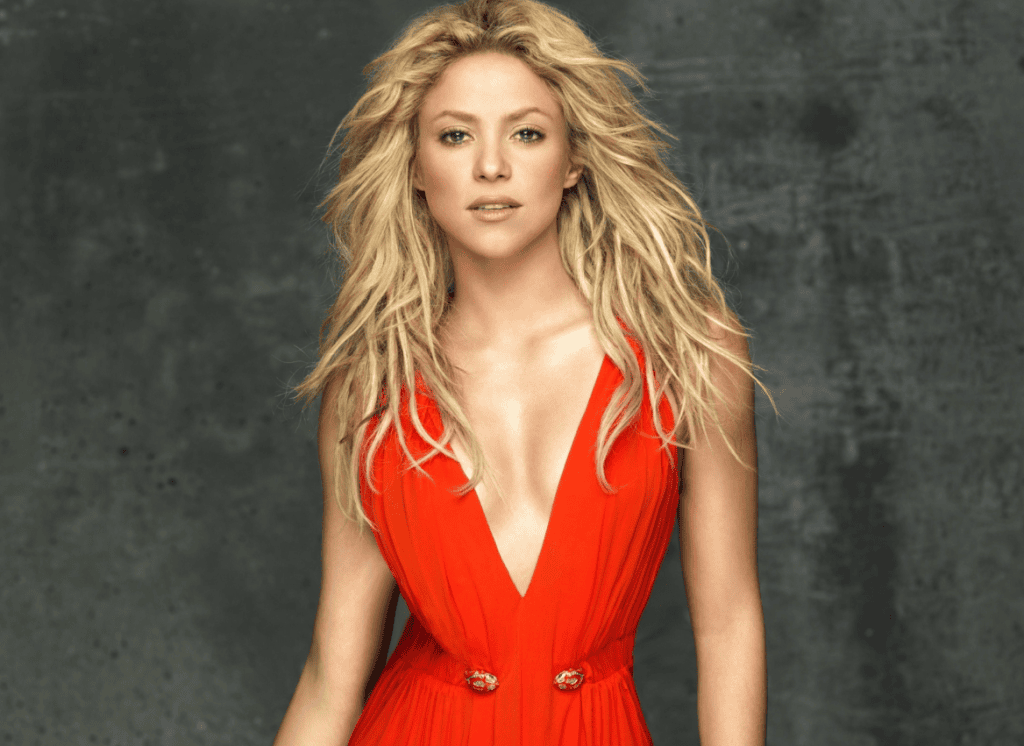
From her humble beginnings in Colombia to becoming one of the world’s biggest music stars, Shakira has built a career that few artists can match. With chart-topping albums, unforgettable live performances, and an enduring influence on both Latin and global pop music, she has transformed herself into a cultural phenomenon.
For more than three decades, Shakira has continuously reinvented her sound while staying true to her artistic identity. Her ability to connect with audiences across languages and cultures has made her one of the best-selling Latin artists in history. Beyond the music, she has inspired millions through philanthropy, female empowerment, and an unwavering commitment to authenticity.
How Shakira Became a Global Music Icon

Few artists have managed to bridge cultures as successfully as Shakira. Born Shakira Isabel Mebarak Ripoll in Barranquilla, Colombia, she began writing songs as a child and quickly demonstrated extraordinary musical talent.
Her early Spanish-language albums established her as one of Latin America’s brightest stars. However, her ambition extended far beyond regional success. Instead of remaining within one market, she embraced bilingual songwriting, allowing her music to reach audiences around the world.
That decision would ultimately redefine Latin pop’s place in the international music industry.
The Breakthrough That Changed Everything
The turning point came in 2001 with the release of Laundry Service.
The album introduced English-speaking audiences to Shakira’s distinctive voice, heartfelt songwriting, and unmistakable performance style. Hit singles such as Whenever, Wherever and Underneath Your Clothes became international successes, while the album sold millions of copies worldwide.
More importantly, Laundry Service proved that a Latin artist could dominate mainstream global charts without abandoning their identity. It opened doors for future generations of bilingual performers and reshaped how the international music industry viewed Latin music.
A Career Built on Constant Evolution
Unlike many artists who rely on one successful formula, Shakira consistently evolved.
She blended pop, rock, Latin rhythms, Middle Eastern influences, reggae, electronic music, and world sounds into a style that remains uniquely her own. Every album introduced new creative elements while preserving the songwriting and emotional honesty that fans had come to expect.
As a result, her career has remained relevant across four decades.

Record-Breaking Songs That Defined a Generation
Shakira’s catalog includes some of the most recognizable songs of the modern era.
Perhaps no song represents her commercial dominance better than Hips Don’t Lie. Released in 2006, the collaboration became one of the biggest global hits of the decade, reaching No. 1 in dozens of countries. It also set records for radio airplay and became one of the defining songs of the 2000s.
The success of the track cemented her reputation as one of pop music’s most influential performers.
Equally important was She Wolf, a bold anthem celebrating confidence, independence, and female empowerment. The song showcased another reinvention while reinforcing Shakira’s reputation as an artist unafraid to explore new creative directions.

The Queen of World Cup Anthems
Few musicians have become as closely associated with international sporting events as Shakira.
Her performances during multiple FIFA World Cup tournaments turned her into a global ambassador for football culture.
The 2010 anthem Waka Waka (This Time for Africa) became one of the most recognizable World Cup songs ever recorded. Its uplifting message, infectious rhythm, and unforgettable chorus transformed it into a worldwide celebration of unity and perseverance.
She later continued that legacy with La La La (Brazil 2014), further strengthening her connection with football fans around the globe.
These performances helped introduce her music to entirely new audiences while reinforcing her status as an international superstar.
A Signature Performance Style Unlike Any Other
One of Shakira’s greatest strengths is her unmistakable stage presence.
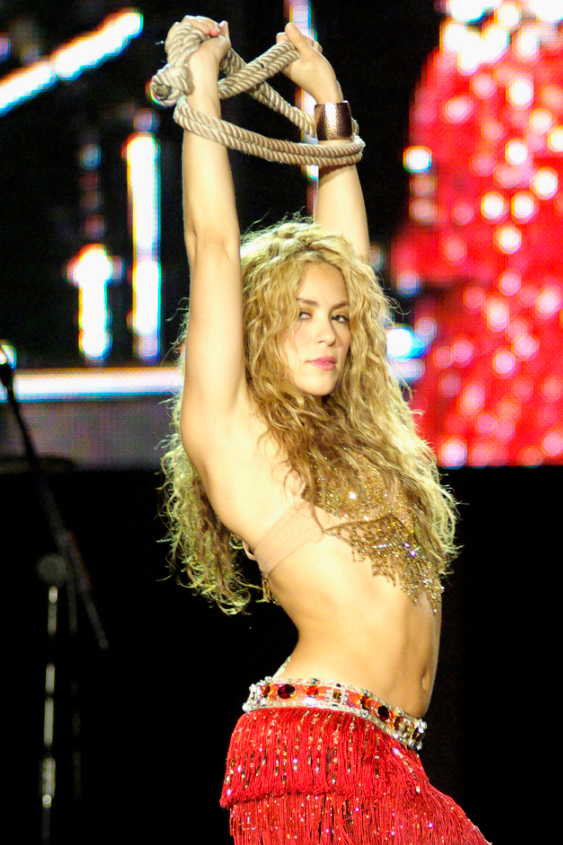
Her performances combine energetic choreography with influences from Latin American traditions and Middle Eastern belly dancing, reflecting her multicultural heritage. Combined with her distinctive vocal style, every performance becomes instantly recognizable.
Whether performing in stadiums, award shows, or global television events, she consistently delivers memorable live experiences that few artists can replicate.
Making Super Bowl History
In 2020, Shakira reached another milestone by co-headlining the Super Bowl LIV Halftime Show alongside Jennifer Lopez.
The performance celebrated Latin culture before an audience of more than 100 million television viewers and quickly became one of the most talked-about halftime shows in recent history.
It also became one of the most-watched Super Bowl halftime performances online, further demonstrating her enduring popularity across generations.
For many viewers, the show represented more than entertainment. It highlighted the growing influence of Latin artists on the world’s biggest stages.
Breaking Records Across Four Decades
Longevity is one of the clearest indicators of true musical greatness.
Shakira has remained commercially successful across multiple generations while continuing to reach new audiences.
She became the first female artist to earn No. 1 albums on Billboard’s Top Latin Albums chart in four different decades, an achievement that reflects remarkable consistency in an industry where trends constantly change.
In addition, she has sold well over 100 million records worldwide and earned numerous international awards, including multiple Grammy and Latin Grammy honors.
Perhaps even more impressive is the fact that she has written or co-written the vast majority of the music she performs, giving her a level of artistic control rarely seen among global pop stars.
Using Music to Empower Women
Throughout her career, Shakira has consistently promoted themes of resilience, independence, and self-confidence.
Many of her songs encourage women to embrace their individuality and overcome personal challenges. Those messages have become even more prominent in recent years, particularly with the release of Las Mujeres Ya No Lloran, an album centered on strength, healing, and personal growth.
Her willingness to transform personal experiences into empowering music has helped audiences around the world connect with her on a deeper level.
A Lasting Commitment to Education
Shakira’s influence extends far beyond the recording studio.
In 1997, she founded the Barefoot Foundation, an organization dedicated to improving access to quality education for vulnerable children in Colombia.
The foundation has helped build schools, improve educational opportunities, and support thousands of children through nutrition and early childhood development programs.
She has also served as a UNICEF Goodwill Ambassador, using her global platform to advocate for children’s rights and educational access worldwide.
Her humanitarian work reflects the same passion and determination that have defined her music career.
Why Shakira’s Legacy Continues to Grow
Very few artists manage to remain relevant after more than thirty years in the spotlight.
Shakira continues to evolve while remaining authentic, balancing commercial success with artistic integrity. She has inspired countless Latin artists to pursue international careers without sacrificing their cultural identity.
Today, her influence can be seen across the global music industry, where bilingual music has become more widely embraced than ever before.
From breaking chart records and creating unforgettable anthems to supporting education and empowering women, Shakira’s impact reaches far beyond entertainment.
Conclusion
Shakira is far more than a successful singer. She is a songwriter, performer, philanthropist, entrepreneur, and global cultural ambassador whose influence has reshaped modern pop music.
Her groundbreaking crossover success, unforgettable live performances, record-breaking achievements, and dedication to humanitarian work have secured her place among the most influential artists of the 21st century.
As her career continues to evolve, one thing remains certain. Shakira’s legacy is not only measured by the millions of albums she has sold or the awards she has won, but also by the generations of artists and fans she continues to inspire around the world.












Comments are closed.