
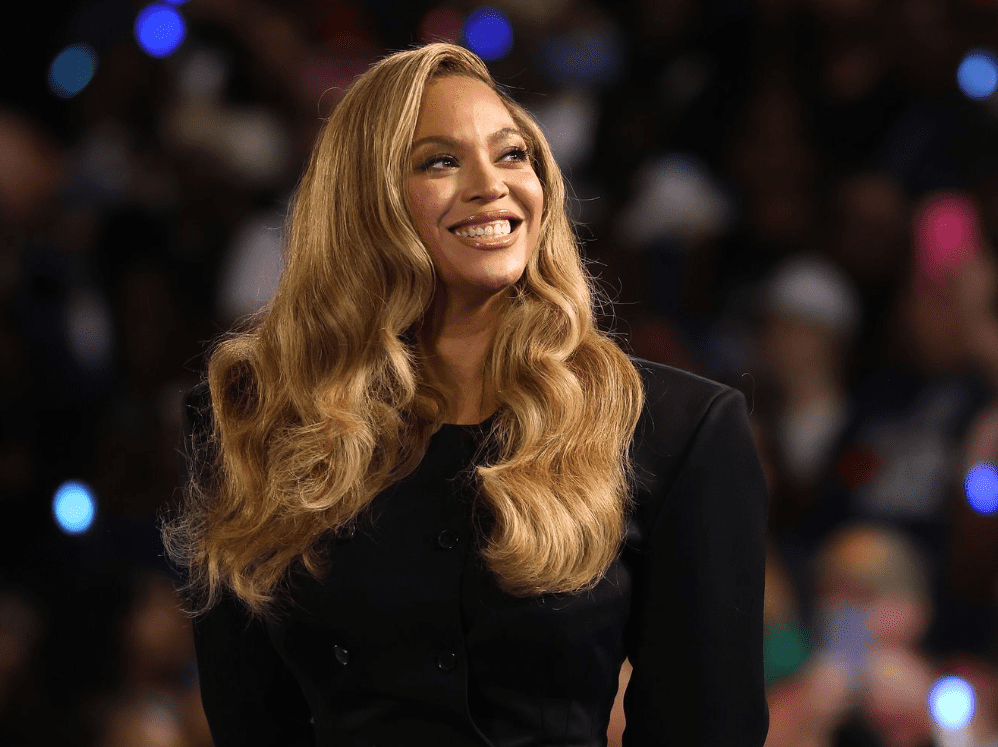
How Beyoncé Continues to Shape Global Influence Beyond Music
Beyoncé is no longer operating within the traditional boundaries of the music industry. In 2026, her presence functions less like that of a recording artist and more like a self-sustaining cultural system. Every move she makes triggers economic activity, media cycles, and behavioral shifts across fashion, technology, and live entertainment.
This is not accidental. Beyoncé has spent more than two decades refining a model of influence that prioritizes control, timing, and long-term brand equity. While many artists chase visibility, she curates scarcity. While others rely on constant output, she builds anticipation. The result is a form of cultural power that extends far beyond charts or streaming numbers.
Understanding Beyoncé today means understanding how icons operate in the modern digital economy.
From Performer to Cultural Infrastructure
Beyoncé’s evolution did not happen overnight. Her early career established technical excellence, discipline, and consistency. However, the strategic shift came when she began treating her work not as individual releases, but as interconnected cultural statements.
Rather than participating in the traditional promotional cycle, Beyoncé repositioned herself as a direct-to-audience brand. Surprise releases, visual albums, and tightly controlled appearances reduced reliance on external media while increasing demand. This approach changed how audiences engage with her work. Consumption became participation.
In business terms, Beyoncé transformed her audience into an active distribution network.
Control as a Strategic Advantage
One of Beyoncé’s most significant advantages is operational control. Unlike many global stars, she maintains a high level of authority over creative direction, release timing, and public narrative. This control minimizes brand dilution and protects long-term value.
In an era where constant exposure often leads to audience fatigue, Beyoncé’s selective visibility increases impact. Silence becomes a tool. Absence generates speculation. When she does appear, attention is guaranteed.
This strategy mirrors luxury brand behavior more than pop marketing. Limited access creates perceived value. Scarcity signals importance. Beyoncé applies these principles consistently across music, live performances, and public image.
Beyoncé as a Live Entertainment Benchmark
Live performance is where Beyoncé’s cultural influence becomes most tangible. Her tours are not simply concerts. They are large-scale productions that blend choreography, narrative, and visual storytelling into a cohesive experience.
From a business perspective, her live shows function as premium products. Ticket demand routinely exceeds supply, driving global travel, secondary market activity, and merchandise sales. Entire micro-economies form around her tour dates, including fashion resale, hospitality spikes, and digital content creation.
This level of impact places Beyoncé in a category where live performance is not a revenue stream alone, but a cultural event with measurable economic influence.
The Digital Economy and Beyoncé’s Algorithmic Presence
Beyoncé’s dominance is particularly notable because it does not rely on constant algorithmic engagement. She rarely floods social platforms with personal content. Yet, her presence remains unavoidable.
This happens because her work is designed to be repurposed by audiences. Music clips become soundtracks for short-form video. Visuals inspire fashion trends and creative edits. Lyrics become cultural shorthand.
In effect, Beyoncé’s audience performs a significant portion of her digital amplification. This organic circulation increases authenticity while reducing the need for traditional promotion. Platforms benefit from her content without her needing to adapt to them.
Cultural Relevance Without Overexposure
One of the defining features of Beyoncé’s brand is longevity. Many artists experience rapid peaks followed by cultural decline. Beyoncé has avoided this by constantly recalibrating her relevance without abandoning her core identity.
She adapts sonically and visually, but never abandons authorship. Each era builds on the previous one, creating a layered catalog that rewards long-term engagement. This approach keeps older material relevant while making new releases feel like extensions rather than reinventions.
For cultural icons, relevance is not about trend adoption. It is about narrative continuity. Beyoncé understands this distinction.
Beyoncé and the Economics of Identity
Beyond music, Beyoncé represents a case study in how identity can be transformed into capital without becoming commodified. Her work consistently engages with themes of heritage, power, and self-definition, but does so through controlled storytelling rather than oversharing.
This balance allows her to participate in cultural conversations without being consumed by them. From a branding perspective, it positions her as an authority rather than a participant.
In the modern attention economy, authority is more valuable than relatability. Beyoncé’s brand reflects this shift.
Why Beyoncé Still Sets the Standard in 2026
Many artists have adopted elements of Beyoncé’s approach, but few have replicated its effectiveness. This is because her influence is not built on tactics alone. It is built on discipline, consistency, and long-term vision.
She treats each release as an investment. Each appearance serves a purpose. Each absence creates space for anticipation. Over time, this strategy compounds, reinforcing her position as a cultural reference point.
In 2026, Beyoncé does not compete within the music industry. She operates above it.
The Long-Term Impact of Beyoncé’s Model
Beyoncé’s influence extends to how industries think about power, ownership, and visibility. Artists now seek greater control. Brands prioritize narrative cohesion. Audiences expect experiences rather than products.
This shift did not begin with Beyoncé, but she accelerated it. Her career demonstrates that cultural icons are not defined by output volume, but by the systems they build around their work.
As media cycles shorten and attention becomes increasingly fragmented, Beyoncé’s model offers a counterpoint. Slow, intentional, and controlled influence remains the most durable form of power.
Conclusion: Beyoncé as a Blueprint for Modern Iconhood
Beyoncé’s continued relevance in 2026 is not a result of nostalgia or trend alignment. It is the outcome of strategic decisions made over decades. She has transformed artistry into infrastructure and visibility into leverage.
For anyone studying modern cultural influence, Beyoncé represents a blueprint. Not for fame, but for sustainability. Not for popularity, but for authority.
She is not just part of the conversation. She defines the framework in which the conversation happens.












Comments are closed.