
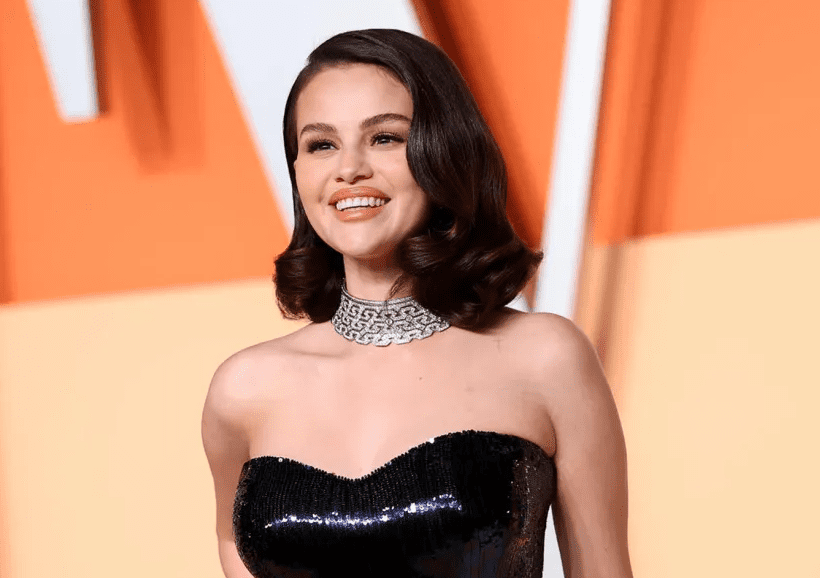
Selena Gomez: The Icon Who Turned Vulnerability Into Global Power
The Rise of a Digital Icon
For more than a decade, celebrity influence has increasingly been measured in followers, likes, and viral moments. In that arena, Selena Gomez sits comfortably at the very top. With an audience larger than the population of most countries, her account on Instagram has become one of the most powerful personal media platforms in the world.
But the story of how she reached this level of influence is more complex than simple popularity.
Gomez first entered the public eye as a child star, eventually becoming a household name through her role on the Disney Channel’s hit series Wizards of Waverly Place. Like many young performers who emerged from the Disney system, she quickly expanded her career into music, building a loyal fan base that followed her from television screens to global charts.
Yet even at the height of her pop success, Gomez’s appeal always felt different from that of many of her peers. She was not projecting untouchable celebrity glamour. Instead, she cultivated an image that felt surprisingly grounded—sometimes even shy. That relatability would later become the foundation of her social media empire.
Authenticity in an Age of Performance

Social media rewards performance. Carefully curated feeds, flawless photos, and viral stunts often dominate the digital landscape. But Selena Gomez’s online presence has often moved in the opposite direction.
Instead of projecting perfection, she frequently shares moments of vulnerability. She has spoken openly about anxiety, lupus, and her diagnosis with bipolar disorder—topics that many celebrities once avoided discussing publicly.
That openness resonated deeply with fans.
In a cultural moment where audiences increasingly question the authenticity of celebrity personas, Gomez’s willingness to acknowledge struggle has become a defining element of her brand. Her posts often feel less like promotional content and more like personal reflections.
For millions of followers, that honesty has created a powerful sense of connection.
Rare Beauty and the Business of Purpose
Gomez’s influence extends far beyond social media. In 2020, she launched the cosmetics company Rare Beauty, a brand that quickly distinguished itself in the crowded beauty industry by prioritizing mental health advocacy alongside product marketing.
Rather than presenting makeup as a tool for achieving perfection, Rare Beauty promotes a different message: self-acceptance.
The company pledged that 1% of all sales would support mental health initiatives through the Rare Impact Fund. Within a few years, the brand reached an estimated valuation in the billions, proving that purpose-driven branding can succeed commercially as well as culturally.
In an industry often criticized for promoting unrealistic beauty standards, Rare Beauty positioned itself as something different—a brand rooted in emotional wellbeing.
For Gomez, the project became deeply personal.
She has repeatedly described the brand as her “pride and joy,” emphasizing that its mission matters just as much as its products.
Stepping Back From the Noise
Ironically, the most-followed woman on Instagram has also been one of the platform’s most outspoken critics.
Gomez has spoken publicly about taking extended breaks from social media in order to protect her mental health. For years, she allowed her team to manage her accounts while she stepped away from the constant stream of online commentary.
The decision highlighted an unusual tension in modern celebrity culture: the very platforms that build influence can also become overwhelming.
By acknowledging that contradiction, Gomez once again reinforced the authenticity that defines her public persona. She is both a product of the social media age and a voice questioning its effects.
From Disney Star to Cultural Figure
Today, Selena Gomez occupies a unique position in entertainment. She is simultaneously an actress, musician, entrepreneur, and cultural advocate.
Her role in the acclaimed series Only Murders in the Building introduced her to a new generation of viewers while reaffirming her versatility as a performer. Meanwhile, her music continues to evolve alongside her public identity.
But perhaps the most striking aspect of her career is how it mirrors the evolution of celebrity itself.
A decade ago, fame was defined primarily by film roles, chart positions, and magazine covers. Today, it is shaped by digital intimacy and emotional transparency.
Selena Gomez mastered that transition better than almost anyone.
The New Face of Influence
In the past, influence meant power over headlines and trends. In the digital age, it often means something more personal: the ability to shape conversations about identity, vulnerability, and mental health.
Selena Gomez has become one of the most prominent figures navigating that new landscape.
Her success reveals an important shift in modern culture. Audiences no longer connect only with perfection. Increasingly, they respond to authenticity, honesty, and emotional openness.
For Gomez, those qualities have turned a former Disney star into something much bigger.
Not just a celebrity—but a global cultural icon.










Comments are closed.