


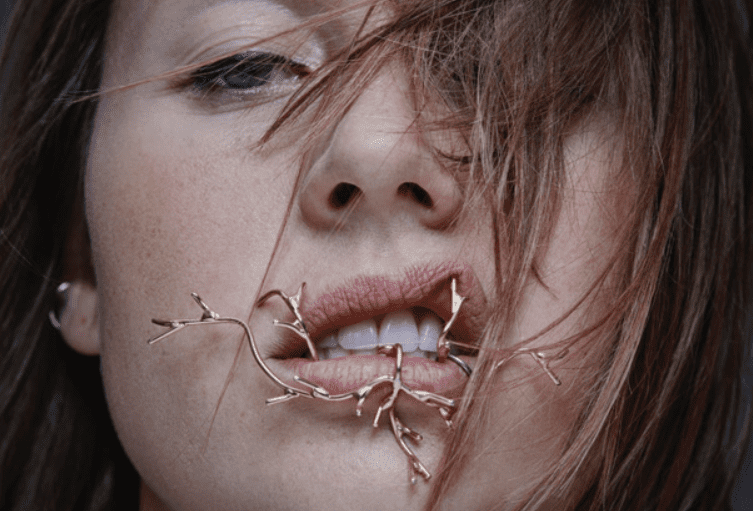
Eight years after first appearing on the cover during her breakthrough moment, Charlotte de Witte returns not as a rising force, but as a true icon of techno. In 2017, she was described as “techno’s next-gen superstar.” By 2026, that label feels almost understated. Her influence now extends far beyond charts, stages, or social media metrics. Charlotte de Witte has become one of the defining figures of modern electronic music — an artist who reshaped how techno exists in both underground spaces and on the world’s biggest platforms.
Fifteen years into her career, the Belgian DJ, producer, and label founder stands at a rare intersection of credibility and scale. Her journey has not been driven by trend-hopping or commercial compromise, but by clarity of vision, discipline, and a deep respect for the culture that raised her.
From Consistency to Cultural Authority
Charlotte de Witte’s rise was not accidental. From her earliest releases to her current global dominance, one principle remained unchanged: absolute commitment to techno. While the electronic landscape shifted toward crossover appeal and festival-friendly hybrids, she doubled down on hypnotic, acid-leaning, high-impact techno.
This consistency earned her trust — first from clubs, then from festivals, and ultimately from a global audience. In an era where scenes often fracture under commercial pressure, Charlotte became a rare constant. Audiences knew what she stood for the moment her name appeared on a lineup.
That trust became the foundation of her longevity.
Redefining Techno on the World’s Biggest Stages
Charlotte de Witte did not bring techno to the mainstream by softening it. She did it by amplifying its power.
Her historic performances at Tomorrowland — first as the opening act, later as the first techno artist ever to close the main stage — marked a turning point. Techno was no longer confined to specialist tents or after-hours slots. It stood front and center, unapologetic and uncompromised.
Appearances at Awakenings, Time Warp, Sónar, Ultra, and Coachella followed, each reinforcing the same message: underground music could command massive stages without losing its soul. Charlotte didn’t just occupy these spaces — she changed expectations within them.
Building Platforms, Not Just a Career
True icons do more than succeed individually. They build ecosystems.
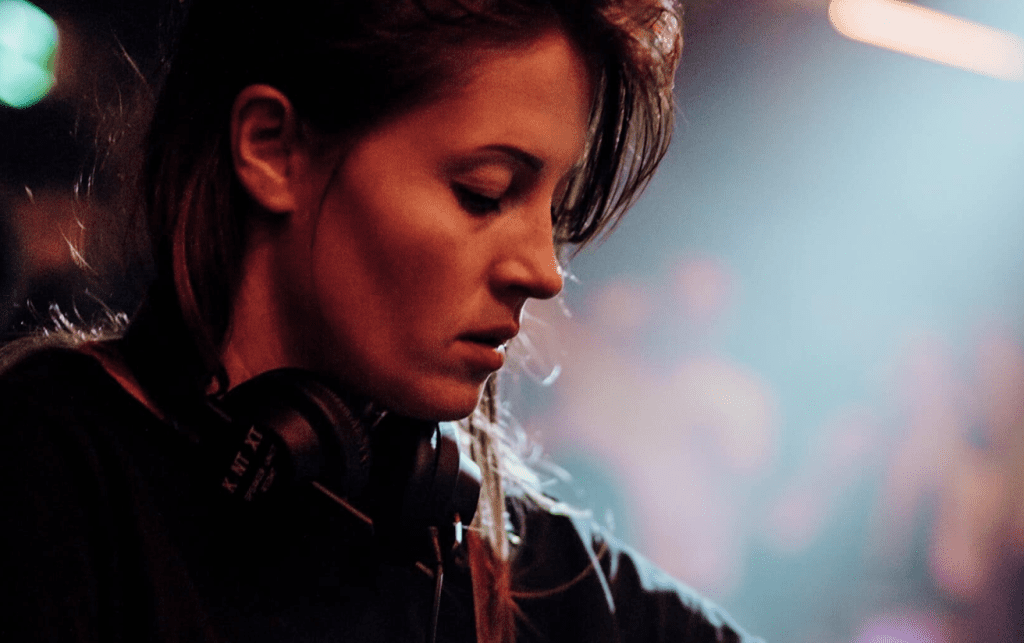
In 2019, Charlotte founded KNTXT, a label that quickly evolved into a cultural platform. It became a home for forward-thinking techno and emerging talent, offering visibility without creative restriction. Artists such as Alignment, Acid Asian, and Indira Paganotto found early support there, benefitting from a structure Charlotte herself never had.

Her later imprint, Époque, deepened her role as a cultural curator. By revisiting and recontextualising Belgian and European electronic classics from the ’90s and early 2000s, she positioned herself not only as a leader of the present, but as a guardian of techno’s past.
This dual role — innovator and preservationist — is central to her icon status.
A Self-Titled Album as a Statement of Identity
Her self-titled debut album arrives not as a reinvention, but as a self-portrait. Eleven tracks trace her journey through sound, moving fluidly between hypnotic techno, peak-time pressure, ambient introspection, and subtle breakbeat influences.
Rather than chasing novelty, the album dives deeper into the sonic language she has refined over a decade. Tracks like The Realm, Vidmahe, and The Heads That Know feel instantly recognisable — not because they repeat old formulas, but because they are rooted in a clearly defined artistic identity.
In an industry obsessed with reinvention, Charlotte’s decision to solidify rather than disrupt feels quietly radical.
Integrity Over Hype
One of the most defining aspects of Charlotte de Witte’s ascent is how she handled visibility.
She resisted overexposure. She avoided forced collaborations. She treated social media as a tool rather than a measure of self-worth. Even with millions of followers, she remained selective — prioritising quality, intention, and personal balance.
Her free street parties across Ghent, Milan, and New York reinforced this ethos. No tickets. No hierarchy. Just sound systems, open streets, and community. These events were not promotional stunts, but cultural statements — reminders that techno’s core is collective experience, not exclusivity.
Navigating Fame Without Losing the Self
Despite global recognition, fame remains a complex territory for Charlotte. An introvert by nature, she has spoken openly about the challenge of being constantly recognised outside her role as a DJ. Learning to set boundaries, to say no, and to protect her private life has been an ongoing process.
Today, she prioritises balance. Fewer shows. More time at home. A life shared with her husband, her dogs, and the cats that wandered into her world unplanned. This grounding has become essential to sustaining her creative clarity.
The Icon Phase
By 2026, Charlotte de Witte no longer feels the need to prove herself. The pressure to compete with younger trends has faded, replaced by confidence and perspective. She occupies what she calls “the sweet middle” — experienced, respected, and still deeply connected to the dancefloor.
Her vision for the future is not about acceleration, but preservation. Protecting what she has built. Maintaining space for both monumental festival moments and intimate, unannounced sets in her hometown. Staying close to the crowd, even when the crowd is massive.
Charlotte de Witte earned her icon status through discipline, integrity, and unwavering belief in techno’s power. Not by chasing the moment — but by shaping it.
And that is why, in 2026, she truly has nothing left to prove.









Comments are closed.