
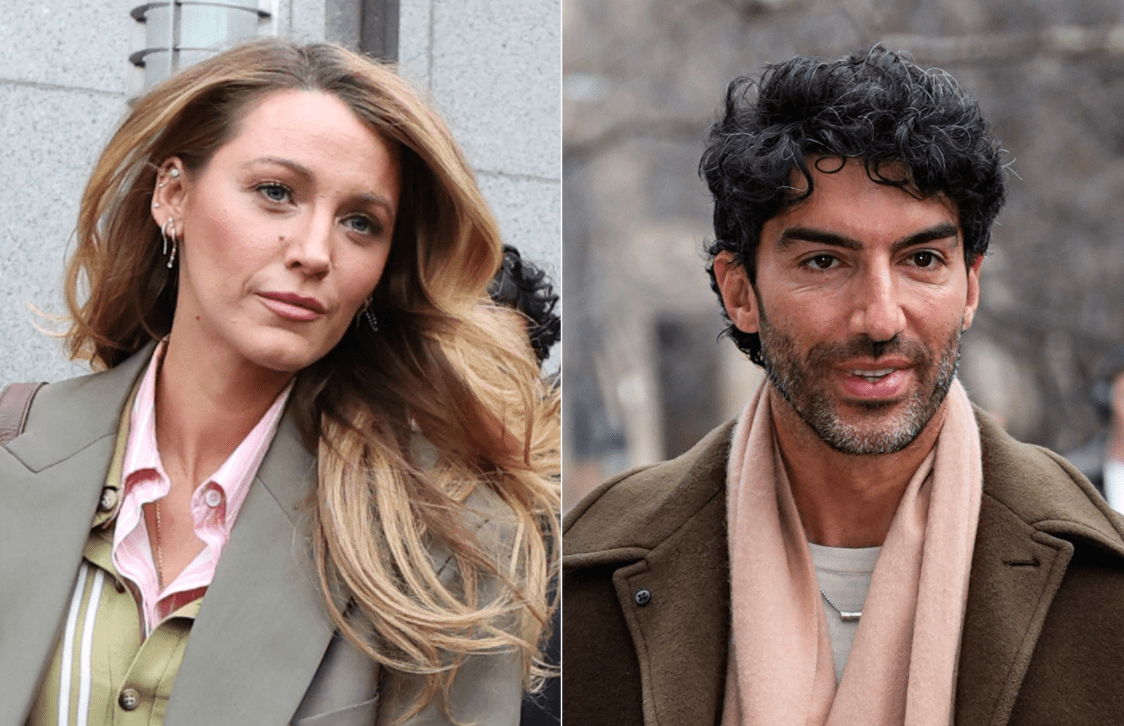
When Blake Lively and director Justin Baldoni entered the Manhattan federal courthouse this February, it was more than a legal formality. Their settlement talks—spanning over six hours—represent a moment where Hollywood’s celebrity culture, gender dynamics, and media influence collide in real time.
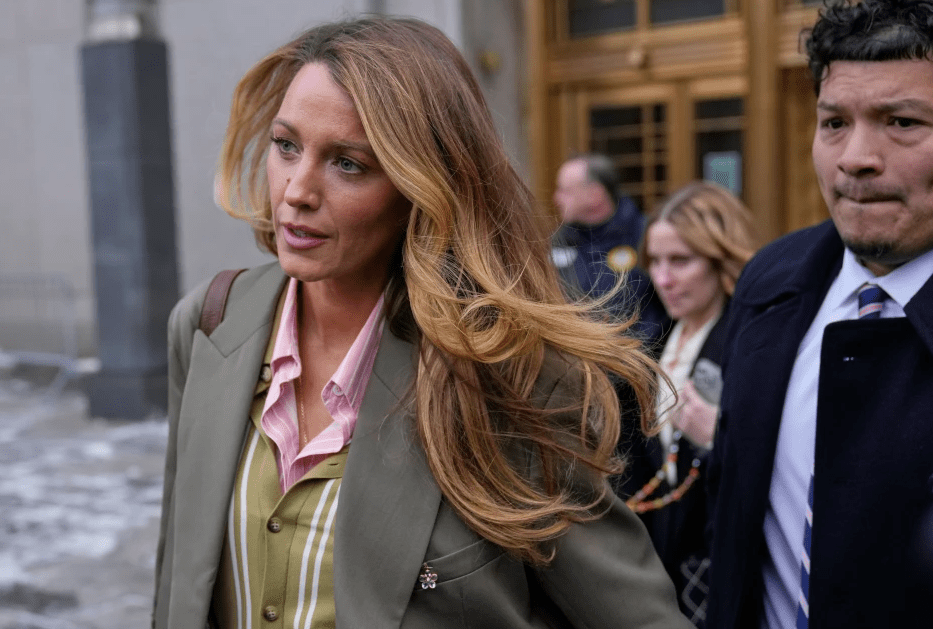
The lawsuit, alleging sexual harassment and reputation attacks on the set of the 2024 romantic drama It Ends With Us, is not simply about interpersonal conflict. It is a lens through which we can examine the mechanics of influence in modern celebrity culture, the role of the media as both amplifier and manipulator, and the increasingly complex intersection of law, image, and public opinion.
For industry observers, this case is a high-profile case study in how power operates in the entertainment world—and how media is leveraged as a tool of both defense and attack.
Hollywood’s Power Structures Under the Spotlight
The allegations against Baldoni and his hired crisis communications expert paint a picture of how hierarchical structures operate on film sets. Directors and producers, wielding creative and financial authority, often hold disproportionate sway over actors’ careers. Even a performer of Blake Lively’s stature, an established star with decades of experience, is not immune from these dynamics.
The lawsuit claims that Lively’s reputation was targeted after she raised concerns about Baldoni’s behavior. This tactic, whether intentional or strategic, highlights a longstanding pattern in Hollywood: when performers assert boundaries, their voices can be undermined or reframed. This is particularly significant in an era where public image and media narratives often outweigh legal or factual realities.
Manipulating Media and Public Perception
One of the most compelling aspects of the Lively-Baldoni case is how media becomes an active participant in the legal and cultural battle. Both celebrities and their teams have historically used press coverage, social media, and strategic leaks to shape narratives and sway public opinion.
Baldoni’s countersuit, dismissed last June, accused Lively and her husband, Ryan Reynolds, of defamation and extortion. While legally unsuccessful, the countersuit functioned as a public relations maneuver, designed to challenge Lively’s narrative, protect Baldoni’s reputation, and signal strength to the industry and the public. Even unproven claims like these can influence perception, demonstrating that in Hollywood, the court of public opinion often runs parallel to the actual courtroom.
Media manipulation in celebrity lawsuits works on multiple levels:
- Timing of Releases: Selective leaks or statements—such as those confirming settlement talks—create bursts of attention, ensuring the story dominates news cycles.
- Influencer Amplification: High-profile figures potentially connected to the case, including Taylor Swift, Gigi Hadid, Emily Blunt, Alexis Bledel, America Ferrera, and Hugh Jackman, are scrutinized by fans for every action, comment, or social post. Even indirect associations fuel speculation and engagement.
- Visual Narratives: Paparazzi shots, court appearances, and social media posts are curated to convey specific emotions or positions. Lively’s stern courthouse walk versus Baldoni’s more relaxed exit, for example, becomes fodder for interpretation and debate.
- Viral Social Dynamics: Platforms like TikTok, Instagram, and Twitter turn each event into content. Clips, memes, and fan theories can magnify, distort, or reinforce the intended narrative, influencing both casual observers and hardcore fans.
In essence, Hollywood legal disputes now operate in a dual arena: the courtroom and the digital ecosystem, where public perception is as influential as legal arguments.
Celebrity Influence and the Power of Witnesses
The projected witness list for the May 18 trial includes some of the entertainment industry’s most recognizable names. While it is uncertain who will testify, the mere suggestion of involvement from stars like Taylor Swift, Emily Blunt, or Candace Owens underscores the interconnected web of influence in Hollywood. Each person’s reputation, brand, and social reach can affect public perception of the case and its participants.
This strategy is not accidental. The threat of influential figures being called to testify serves multiple purposes:
- Pressure: It can motivate settlements by signaling the potential for broader public exposure.
- Narrative Framing: Witnesses’ public personas can be leveraged indirectly to support or challenge credibility.
- Media Magnetism: High-profile names ensure constant media attention, prolonging coverage and engagement with the story.
In Hollywood, witnesses are rarely neutral—they are part of a larger ecosystem where every statement, appearance, and Instagram post can amplify the narrative.
Historical Context: When Image Meets Law
The Lively-Baldoni case is not the first time Hollywood’s legal battles have intertwined with media manipulation. From the defamation suits involving Johnny Depp and Amber Heard to the settlement strategies employed by high-profile directors, history is full of examples where legal strategy and public relations were inseparable.
What’s unique now is the speed and scale of digital media. While past cases relied on print and televised reports, today’s ecosystem involves real-time social commentary, viral content, and global reach. Every court filing, celebrity tweet, or Instagram story can ripple across the globe within hours, making reputation management an ongoing, dynamic process.
Gender Dynamics and Accountability
Beyond strategy and media, the case highlights persistent gender disparities in Hollywood. Women frequently face a disproportionate burden in harassment and power disputes. Lively’s decision to come forward challenges these systemic issues, signaling that even established stars are not beyond harassment or attempts at reputation manipulation.
Her lawsuit serves as a reminder of the importance of ethical accountability, not just within the court system but within industry culture. It also reflects broader societal conversations about consent, professional boundaries, and the role of visibility in enforcing standards.
The Cultural Ripple Effect
This trial transcends legal specifics. It raises questions about:
- How society perceives women challenging power in male-dominated industries.
- How the media amplifies, distorts, or controls narratives.
- How celebrity influence intersects with justice and ethics.
For fans, aspiring actors, and industry observers, the case is a live demonstration of how influence, media savvy, and public perception can shape outcomes in ways that extend beyond the courtroom. It’s a reminder that in the modern entertainment landscape, visibility is power, and every action—whether legal, personal, or social—is scrutinized through a cultural lens.
Preparing for the May Trial
As May 18 approaches, the stakes are high. Both Lively and Baldoni are likely meticulously curating their legal strategy, media presence, and public messaging. The trial promises not just legal drama but a lesson in how modern celebrity, media, and influence intertwine.
The outcome will have implications not only for the parties involved but for broader industry practices. How are harassment claims handled in the digital era? How are reputations defended or weaponized online? How do celebrity power dynamics influence accountability? These questions ensure that this case will be studied and discussed long after the trial concludes.
Final Thoughts: Hollywood’s Court of Public Opinion
The Blake Lively vs. Justin Baldoni lawsuit is emblematic of the modern interplay between law, media, and celebrity culture. It reminds us that in Hollywood, legal disputes are rarely private. They are strategic, performative, and culturally significant events, where reputation management, media narratives, and public perception are inseparable from the case itself.
This is a trial where both courtroom arguments and social media currents matter. For the industry and the public, it’s a lesson in accountability, power, and the influence of visibility in shaping outcomes. It demonstrates how the stories we consume about celebrities are carefully constructed narratives, influenced as much by law and litigation as by posts, headlines, and viral clips.
Blake Lively’s fight, Baldoni’s defense, and the media circus surrounding them are not just news—they are a window into the mechanics of modern fame, power, and perception. In this era, the court of public opinion is as consequential as the courtroom itself.





Comments are closed.