
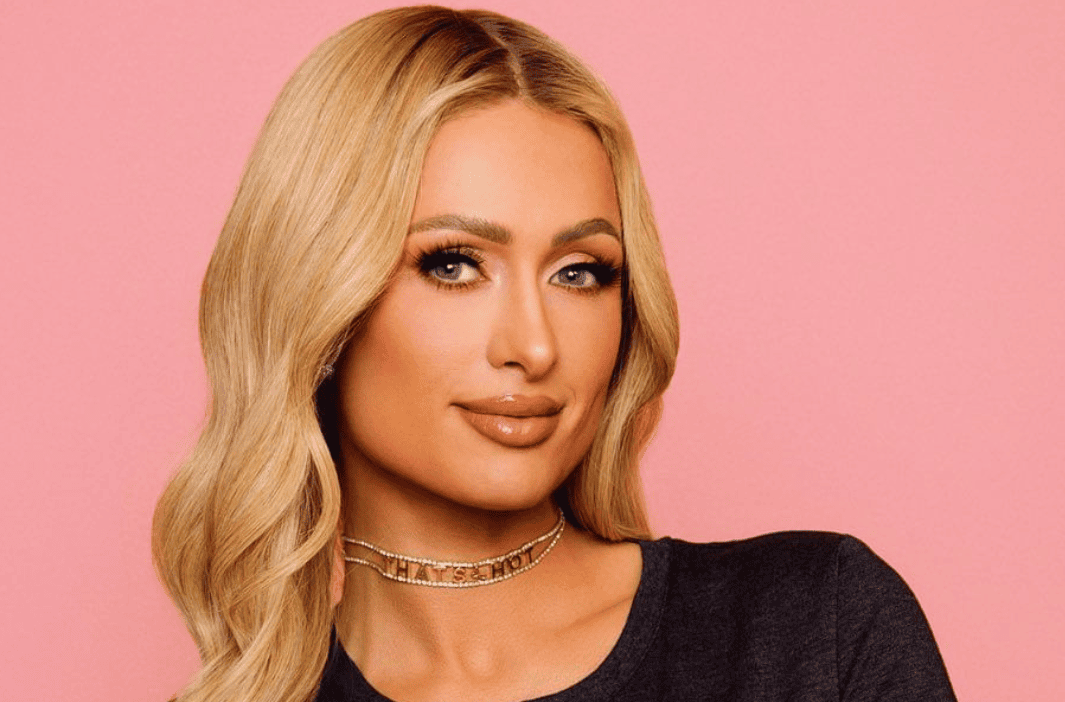
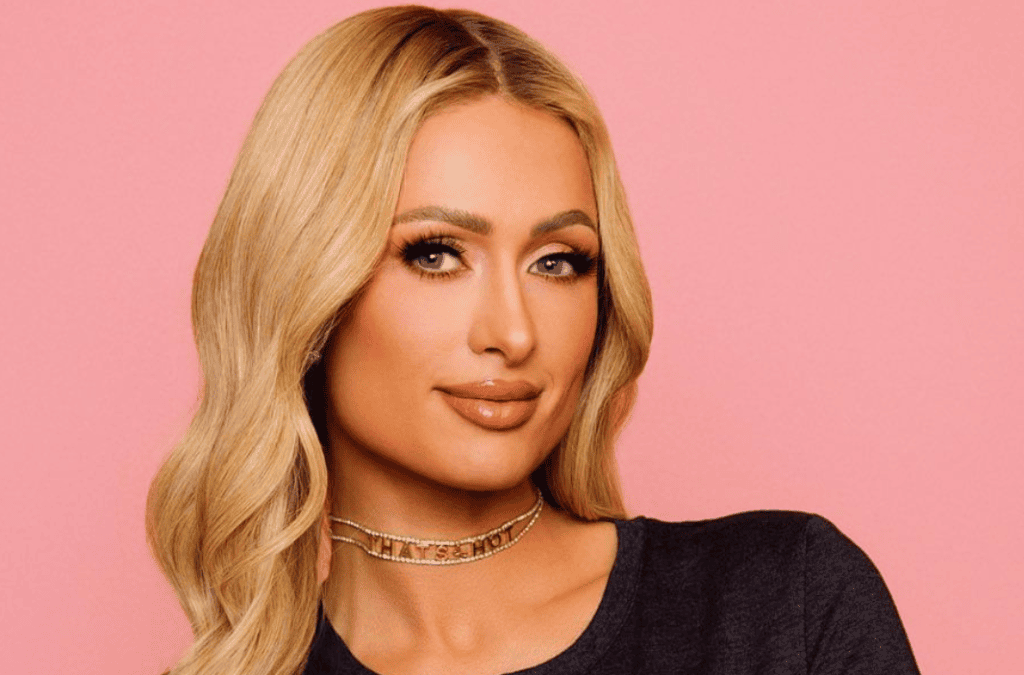
From Y2K It Girl to global entrepreneur, DJ, fashion icon and digital-age blueprint, Paris Hilton understood something about fame long before the internet caught up.
There are celebrities who become famous because of what they do. There are others who become famous because of who they are. And then there is Paris Hilton — a figure who helped blur the line between celebrity, brand and business long before social media turned personal identity into a global currency.
In the early 2000s, Hilton was everywhere. On magazine covers, red carpets, nightclub guest lists, television screens and paparazzi photographs, she became one of the defining faces of an era obsessed with celebrity culture. Her blonde hair, tiny sunglasses, rhinestone accessories, velour tracksuits and unmistakable catchphrases became part of the visual language of Y2K.
But reducing Paris Hilton to a wealthy socialite or reality television personality misses the bigger story.
She understood the economics of attention.
Long before Instagram influencers, TikTok creators and celebrity entrepreneurs became everyday phenomena, Hilton was already turning visibility into a business. She transformed her name, image, lifestyle and personality into commercial assets — effectively creating a blueprint that an entire generation of influencers would later follow.
The Birth of the Y2K It Girl
Hilton entered popular culture at precisely the right moment.
The early 2000s were fascinated by celebrity nightlife. The internet was still developing, social media did not yet exist and paparazzi photographs circulated through magazines, newspapers and entertainment television. Being photographed at the right club, wearing the right outfit and standing beside the right people could generate enormous attention.
Hilton became exceptionally good at occupying that space.
Her appearances were not simply moments of publicity. They became part of the product.
She represented a new kind of celebrity: highly visible, constantly photographed and seemingly always living inside an aspirational fantasy.
Then came The Simple Life.
Premiering in 2003 alongside Nicole Richie, the reality series placed the pair in unfamiliar environments and turned their contrasting personalities into television gold. Hilton’s deliberately exaggerated “spoiled heiress” persona became one of the most recognisable characters of the reality-TV era.
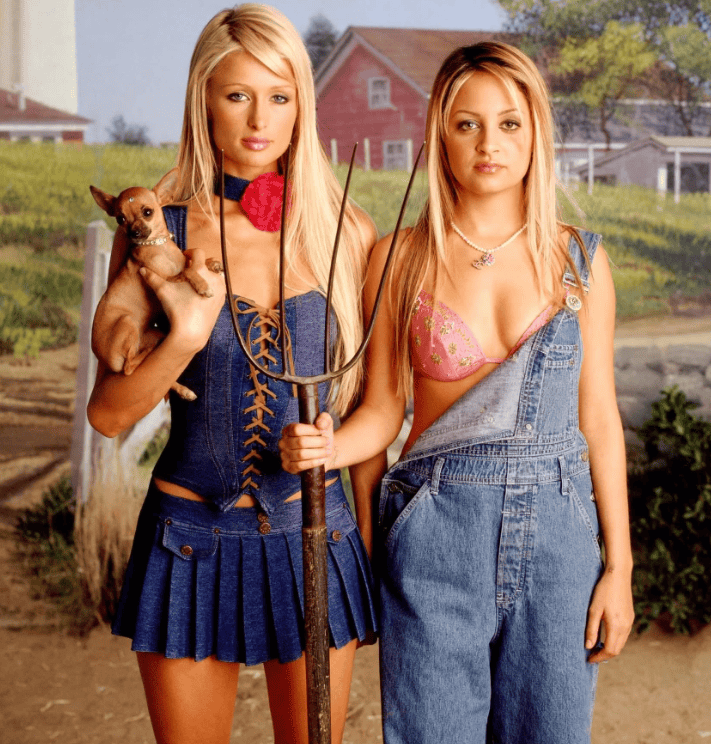
The important distinction is that Hilton later acknowledged the persona was, at least in part, a performance.
She understood the character audiences wanted to watch — and she gave it to them.
That ability to understand the relationship between personality and entertainment became one of her greatest strengths.
“That’s Hot” Became a Brand
Paris Hilton did not simply participate in celebrity culture. She helped create its modern vocabulary.
Her appearance became recognisable enough to function almost like a logo.
The blonde hair. The tiny dogs. The sunglasses. The pink aesthetic. The party photographs. The provocative outfits. The “That’s hot” catchphrase.
Everything contributed to an instantly identifiable image.
This is one of the reasons her influence remains so significant decades later.
Today’s influencers carefully construct visual identities across Instagram, TikTok and YouTube. They develop colour palettes, catchphrases, recurring formats, product lines and carefully controlled lifestyles.
Hilton was doing a primitive version of this before those platforms existed.
She was effectively her own media channel.
The Original Influencer Blueprint
Calling Paris Hilton an “influencer” in the modern sense is technically anachronistic. The word did not carry the same meaning when she became famous.
The concept, however, was already there.
Hilton discovered that her presence itself had commercial value.
Nightclubs wanted her to appear. Brands wanted her associated with products. Magazines wanted photographs of her. Television networks wanted her personality. Audiences wanted access to her lifestyle.
She became one of the earliest examples of a celebrity monetising attention at extraordinary scale.
That distinction matters.
Hilton was not simply famous and then given business opportunities. She increasingly treated fame itself as the business.
Her name became a platform that could be extended into fragrances, fashion, accessories, media appearances, entertainment and eventually technology and digital ventures.
The modern creator economy operates on essentially the same principle: build an audience around a recognisable personality, then turn that attention into multiple revenue streams.
Paris Hilton was there first.
Fashion Was Part of the Language
Few celebrities are as closely associated with the visual identity of the 2000s as Hilton.
Her style captured the decade’s unapologetic maximalism: velour tracksuits, low-rise silhouettes, rhinestones, metallic accessories, tiny bags, statement sunglasses and glamorous partywear.
Today, much of that aesthetic has returned through the Y2K revival.
But Hilton’s influence goes beyond nostalgia.
She understood that fashion could become part of celebrity storytelling. Her outfits were instantly recognisable and frequently photographed, giving every public appearance the potential to become another piece of her brand mythology.
The fashion world eventually began looking back at the same aesthetic that once represented tabloid excess.
Suddenly, the styles associated with Hilton were no longer merely “2000s.”
They were archival.
Y2K became fashion history — and Hilton became one of its defining figures.
From Celebrity to Businesswoman
The biggest misconception about Hilton is that her career was built entirely on inherited wealth.
Her family name undeniably gave her access to a world most people never experience. But maintaining global relevance for more than two decades required something more than an influential surname.
It required business instinct.
Hilton expanded into fragrances, clothing, accessories, beauty, entertainment and other consumer products. Her perfume business became one of the most commercially significant extensions of her personal brand.
She also developed a career as a DJ, moving from celebrity guest to paid performer and becoming a fixture in international nightlife.
That transition was particularly revealing.
Hilton could have remained a personality who appeared at clubs.
Instead, she became part of the entertainment.
She transformed celebrity presence into a professional performance.
The DJ Who Took the Joke Seriously
When Paris Hilton began DJing professionally, there was plenty of scepticism.
But she continued.
Her DJ career eventually took her to major nightlife destinations and festivals, including Ibiza, one of electronic music’s most important cultural capitals.
Whether audiences initially came for the celebrity or the music became almost secondary. Hilton understood that entertainment was increasingly about creating an experience around a personality.
That same philosophy dominates modern festival culture.
The celebrity becomes the event.
The brand becomes the attraction.
The person becomes the platform.
Beyond the Blonde Persona
The most fascinating chapter of Hilton’s story may be what happened after the character she created became larger than herself.
For years, the public primarily knew “Paris Hilton” as the glamorous, seemingly carefree heiress.
But behind that image was a woman whose relationship with fame became increasingly complicated.
Her experiences with media scrutiny, exploitation and personal trauma eventually encouraged a more serious conversation about the machinery surrounding young celebrities.
Her memoir and documentary projects helped reveal a different side of the person behind the public image.
That evolution changed the way audiences understood her.
Paris Hilton was no longer simply the woman photographed leaving a nightclub.
She became someone reflecting on what it meant to grow up under constant public surveillance.
From Tabloid Target to Cultural Commentator
Hilton’s greatest transformation has therefore been personal as much as professional.
The celebrity who once seemed to represent the excesses of the early 2000s eventually became part of conversations about privacy, exploitation, childhood trauma, digital culture and personal agency.
That shift gave her legacy greater complexity.
She became both the product of celebrity culture and one of its most revealing survivors.
The distinction is important because Hilton’s career demonstrates how quickly public perception can turn a person into a character — and how difficult it can be to reclaim the person underneath.
Why Paris Hilton Still Matters
More than two decades after The Simple Life, Paris Hilton remains culturally relevant because the world eventually moved toward the model she helped establish.
Instagram made everyone a potential celebrity.
TikTok made personality a form of entertainment.
Influencer marketing turned personal identity into advertising.
Celebrity brands became businesses.
Creators became entrepreneurs.
And audiences became accustomed to following people not because they were necessarily actors, singers or athletes, but simply because they were interesting to watch.
Paris Hilton had already demonstrated the formula.
She understood that attention could become currency.
She understood that a recognisable identity could become intellectual property.
And she understood that fame could be converted into an ecosystem rather than a single career.
The Ultimate Reinvention
Perhaps the most iconic part of Paris Hilton’s story is not the pink dresses, the parties, The Simple Life or even the photographs that defined the 2000s.
It is the reinvention.
She began as an heiress and socialite, became a reality television phenomenon, transformed herself into a global brand, expanded into music and DJing, entered entrepreneurship and eventually became a more openly reflective public figure.
Few celebrities have successfully remained culturally visible through so many different eras of media.
The world that made Paris Hilton famous no longer exists in the same form.
Magazines no longer control celebrity culture in the way they once did. Paparazzi photographs have been replaced by social feeds. Reality television has evolved. And influencers now number in the millions.
Yet the fundamental formula remains.
Be recognisable.
Create a world people want to enter.
Turn attention into a relationship.
Then turn that relationship into a business.
Paris Hilton did it before there was a manual.
And that may be her greatest cultural achievement.
She didn’t simply become an icon of the influencer era.
She helped invent it.






Comments are closed.