
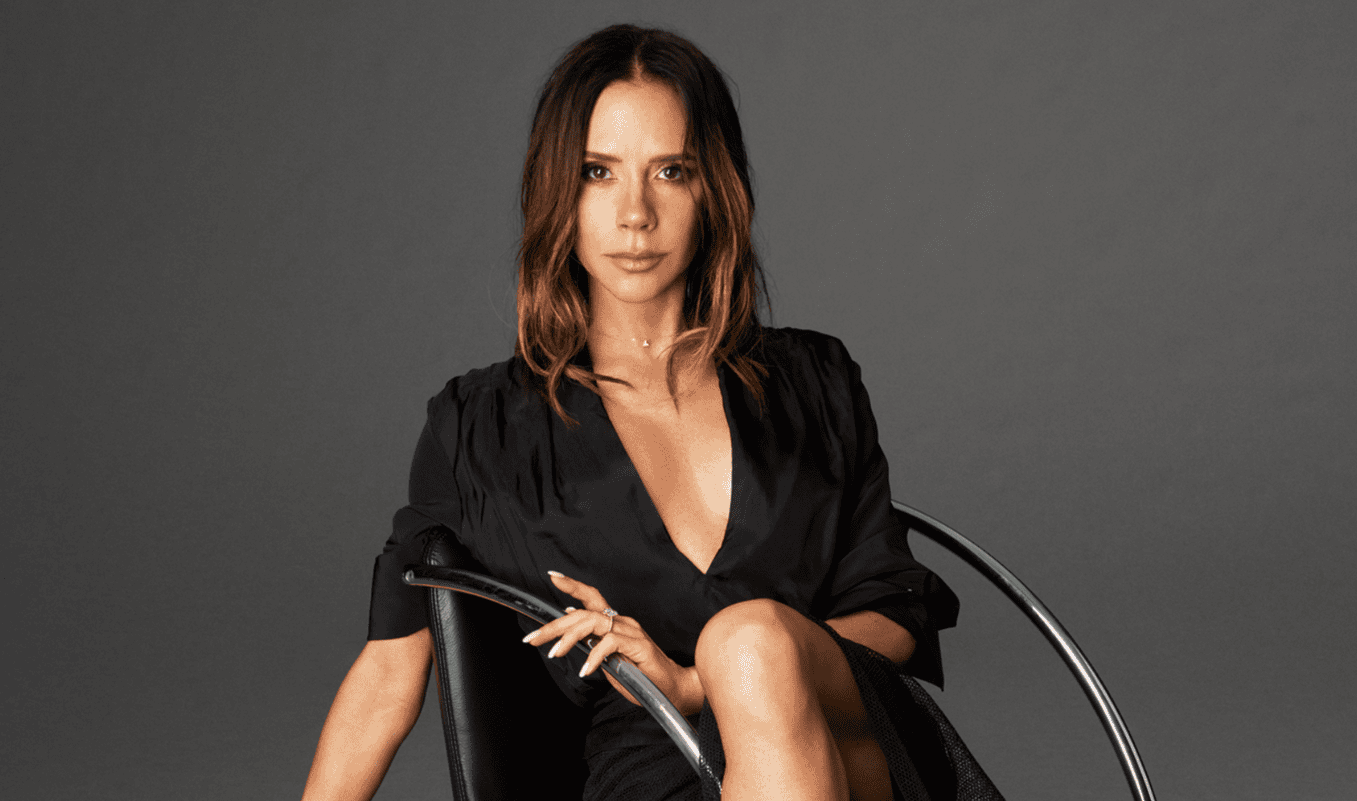
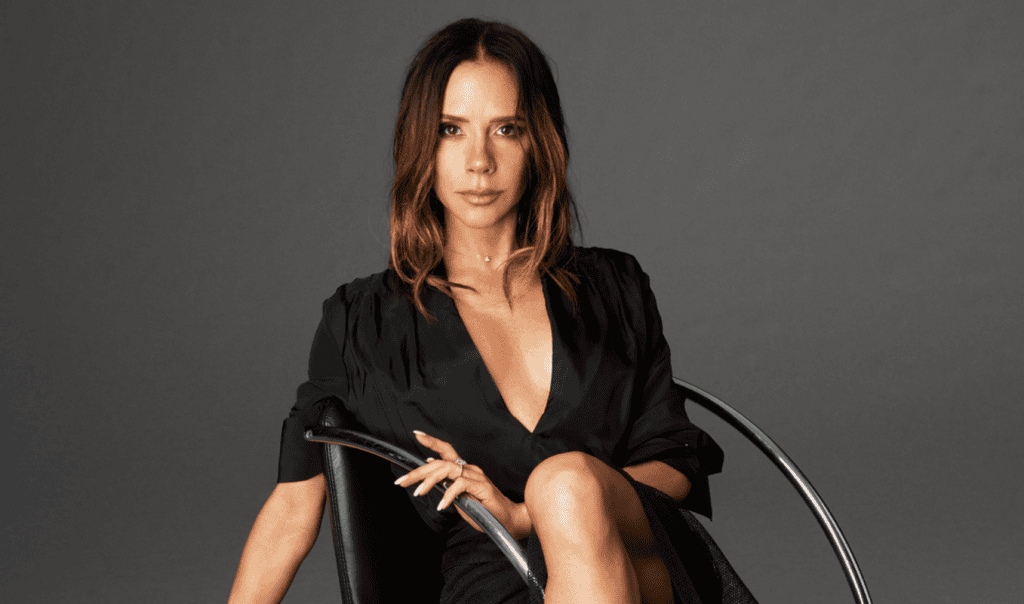
Victoria Beckham has spent nearly two decades building a fashion and beauty business capable of standing on its own. Now, Victoria Beckham fashion brand has reached a milestone that once appeared far from certain: profitability.
Victoria Beckham Holdings reported an operating profit of £7.3 million for 2025, while sales increased 15% to £129.8 million. The result marks a dramatic turnaround for a company that once faced mounting losses and serious questions about its future.
How The Victoria Beckham Fashion Brand Reached Profitability
For Victoria Beckham, the road to profitability has been anything but straightforward.
The former Spice Girls star launched her fashion label in 2008, entering an industry where even talented designers can struggle to establish a sustainable business. Unlike a conventional startup, however, Beckham arrived with global fame, a powerful personal brand and significant financial resources.
Those advantages helped attract attention. They did not guarantee commercial success.
In recent years, Beckham has spoken openly about how difficult the business became. In her Netflix documentary, she described a period when the company had accumulated losses running into tens of millions of pounds.
She also recalled the extraordinary spending that accompanied the early years of the business, including an annual flower budget of around £70,000.
The pressure became deeply personal.
Beckham has said she experienced intense anxiety as debts accumulated and described crying before going to work because she felt as though she was constantly trying to put out fires.
That candid account offers an important lesson about luxury entrepreneurship: a famous name can open doors, but it cannot replace disciplined management.
The Turning Point For Victoria Beckham
A major change came in 2017, when investor David Belhassen became involved with the company.
His approach was direct. Rather than simply providing more capital, he argued that the business needed fundamental restructuring.
That meant changing how the company operated and accepting that the process would be difficult.
The distinction is important. Troubled businesses do not necessarily become healthy simply because investors inject additional money. Sustainable growth often requires changes to costs, operations, product strategy and management.
Victoria Beckham’s experience illustrates that principle particularly clearly.
Why Luxury Fashion Brands Struggle To Make Money
Fashion may look glamorous from the outside, but building a profitable luxury label can require enormous investment.
Designers need to finance collections, manufacturing, marketing, employees, retail operations and logistics before they know how customers will respond. At the same time, fashion trends can change rapidly, leaving brands exposed to excess inventory and unpredictable demand.
Stacia Bedford of the London College of Fashion has noted that establishing a fashion label can take several years.
For smaller designers, the challenge is even greater because they may lack the financial reserves needed to survive the early years.
Beckham entered the industry with resources that most emerging designers could not match. Even so, her company struggled for years.
That makes the eventual turnaround particularly significant.
It suggests that capital alone was not the solution. The business needed a clearer commercial strategy.
Beauty Became A Major Growth Engine
One of the biggest strategic decisions was expanding beyond clothing.
In 2019, Beckham launched Victoria Beckham Beauty, creating a second major pillar for the business.
The move was commercially significant because beauty products can provide luxury companies with a different route to consumers. A handbag or tailored dress represents a substantial purchase, while cosmetics can offer a comparatively accessible way for customers to enter a brand.
Beauty can also generate repeat purchases, creating opportunities for customers to return regularly rather than buying only occasionally.
According to the company’s reported figures, Victoria Beckham Beauty now accounts for roughly two-thirds of total revenue.
That transformation changed the economics of the business.
Why Victoria Beckham Beauty Has Worked
Beckham has also made herself part of the product strategy.
She has said that she personally tests the products and often develops items based on products she would want to use herself.
That approach gives the beauty business a clear connection to its founder.
The company says its Satin Kajal eyeliner sells at a rate of one every 30 seconds. Meanwhile, the Foundation Drops product reportedly attracted a waiting list of 20,000 people in June.
Those figures suggest that the beauty operation is generating more than celebrity-driven curiosity. It has developed products capable of creating sustained consumer demand.
Victoria Beckham Became The Face Of Her Own Turnaround
There is another factor behind the company’s transformation that cannot easily be measured on a balance sheet: Beckham herself.
For years, her public image was associated with the polished, distant persona of “Posh Spice.” More recently, she has allowed consumers to see a considerably more informal side of her personality.
Social media has played a major role.
Beckham regularly shares beauty demonstrations and product tutorials. Some are filmed casually at home, including videos in which she applies makeup in front of her bathroom mirror.
That change may seem small, but it reflects a broader shift in luxury marketing.
Consumers increasingly want to understand the person and story behind a brand. Luxury still depends on aspiration, but aspiration does not necessarily require emotional distance.
Authenticity Can Strengthen A Luxury Brand
Business strategy adviser Lisa Maynard-Atem argues that Beckham has managed to add personality without abandoning the polished image expected from a luxury label.
That balance is valuable.
The brand continues to sell an aspirational lifestyle, but customers also see the founder as a real person who experiments with products, shares advice and discusses the difficult history of the company.
Even Beckham’s willingness to discuss failure has become part of the brand narrative.
Instead of hiding the years of losses, she has acknowledged them.
That makes the eventual success more credible because consumers can see the journey rather than simply being presented with a polished success story.
Celebrity Alone Was Not Enough
Victoria Beckham’s story also challenges the assumption that celebrity automatically translates into commercial success.
The designer had enormous name recognition when she entered fashion. She also had access to financial backing, including support from her husband, David Beckham, as the business struggled.
Yet the company still required years of restructuring and development.
That distinction matters for other celebrity-founded businesses.
A famous founder can generate awareness quickly, but awareness does not necessarily produce repeat customers. Long-term success depends on whether the products meet expectations, whether the business controls its costs and whether customers have a reason to return.
In Beckham’s case, diversification into beauty appears to have provided that additional engine of growth.
What Victoria Beckham’s Success Means For The Fashion Industry
The company’s turnaround arrives at a time when luxury fashion remains fiercely competitive.
Established fashion houses compete for wealthy customers, while newer labels fight for attention through social media, celebrity partnerships and direct-to-consumer strategies.
Against that backdrop, one profitable year is not necessarily proof of permanent success.
The next challenge is maintaining momentum.
Stacia Bedford argues that continued innovation will be essential because consumer preferences and fashion trends constantly change. Creative leadership can also have an enormous influence on whether a label remains relevant.
That means Beckham’s biggest challenge may now be different from the one she faced several years ago.
Previously, the question was whether the company could survive.
Now, it is whether the business can continue growing without losing the identity that helped make the turnaround possible.
The Business Lessons Behind Victoria Beckham’s Turnaround
There are several broader lessons in the story.
First, growth does not automatically equal profitability. A company can increase sales while still struggling financially if its costs rise too quickly.
Second, diversification can reduce dependence on a single product category. Victoria Beckham’s move into beauty gave the business another source of revenue and a more accessible product range.
Third, a founder’s personal story can become a powerful commercial asset when it feels genuine.
Finally, setbacks can provide useful information. Rather than treating early losses as something to conceal, Beckham has increasingly incorporated those experiences into the story of the company.
That may be one of the most valuable aspects of the turnaround.
What Comes Next For Victoria Beckham?
The £7.3 million operating profit represents a major achievement, but the company is not finished.
Victoria Beckham Holdings says revenue growth has continued into 2026, with another double-digit increase reported.
Maintaining that performance will require the company to balance creativity with financial discipline.
For Beckham, the achievement also changes the conversation around her fashion career.
She is no longer simply a former pop star who launched a designer label. After 18 years of experimentation, restructuring and expansion, she has built a business that has finally reached profitability.
The next chapter will be about proving that this was not a one-year breakthrough, but the foundation of a durable luxury brand.
Conclusion
The Victoria Beckham fashion brand has taken 18 years to reach profitability, but its journey offers a much bigger story than a single set of financial results.
The company survived years of losses, underwent major restructuring and expanded from clothing into beauty. At the same time, Beckham transformed her role from distant celebrity figure into a visible founder who openly shares both her products and the difficulties behind the business.
With £129.8 million in sales and a £7.3 million operating profit in 2025, the brand has finally moved into the black.
Now comes the harder test: turning a remarkable turnaround into lasting success. If Beckham can continue combining creative direction, product innovation, disciplined management and a strong connection with consumers, her long-running fashion experiment could become one of celebrity entrepreneurship’s more enduring success stories.













Comments are closed.