
Introduction: How the Fenty Effect Changed Beauty Forever
The Fenty Effect is more than a marketing buzzword. It is a cultural shift that transformed the global beauty industry. When Rihanna launched Fenty Beauty in 2017, many expected another short lived celebrity brand. Instead, she delivered a business case study in inclusivity, innovation, and brand awareness.
By putting real consumer needs first, Fenty Beauty redefined beauty standards, drove massive brand awareness, and generated over $100 million in sales within its first 40 days. Today, the Fenty Effect continues to influence how brands approach diversity, pricing, and digital marketing.
So how did Rihanna build such an unstoppable brand? Let’s break down the strategy behind the Fenty Effect and why it still wins.
What Is the Fenty Effect and Why It Matters
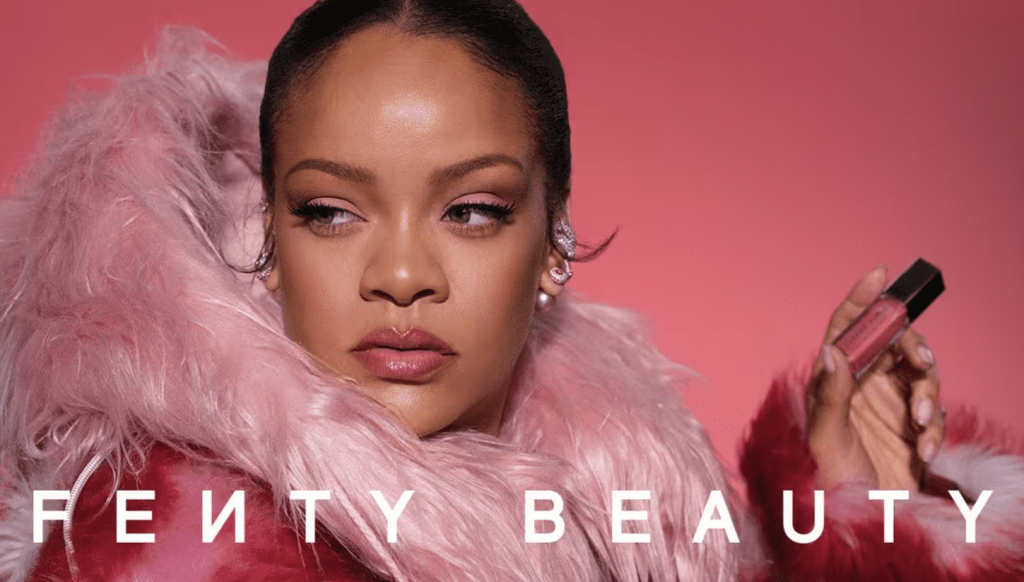
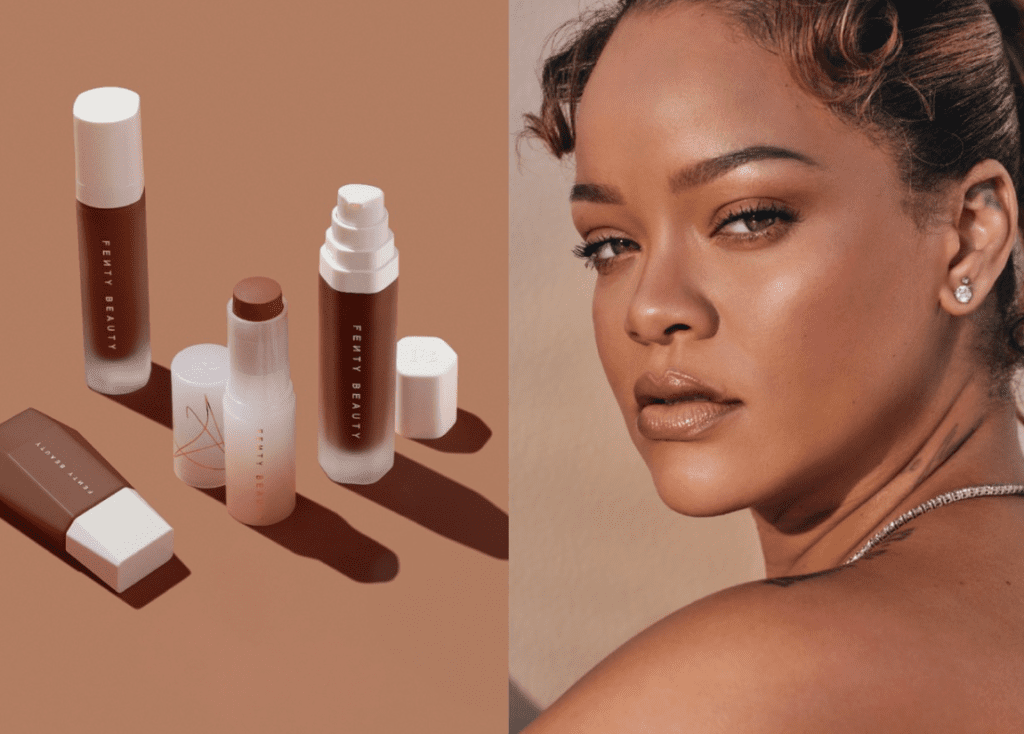
The Fenty Effect refers to the industry wide shift toward inclusivity after the launch of Fenty Beauty. Before Fenty, deeper skin tones were often ignored or treated as an afterthought. Rihanna changed that by launching with 40 foundation shades from day one.
This move forced competitors to rethink product development, representation, and brand messaging. As a result, inclusivity became a new industry standard rather than a niche offering.
Fenty Beauty’s Mission: Beauty for All
A Brand Built on Representation
At the heart of the Fenty Effect is a clear mission: Beauty for All. Fenty Beauty was designed for every skin tone, undertone, age, gender, and background.
Instead of following traditional beauty ideals, the brand challenged them. Campaigns featured Black, Asian, and minority ethnic models alongside global celebrities. This representation helped millions of consumers feel seen for the first time.
Filling a Market Gap Others Ignored
Rihanna identified a clear problem. Many people could not find makeup that matched their skin. By solving this issue at scale, Fenty Beauty earned trust and loyalty almost instantly.
This customer first mindset became one of the strongest drivers of brand awareness and long term success.
Who Fenty Beauty Is Really For
A Mass Audience With a Smart Niche
Although Fenty Beauty targets a broad audience, it also carved out a smart niche. The brand positions itself as luxury beauty that remains accessible.
For example, Fenty’s foundation costs less than many traditional luxury competitors while maintaining premium quality. This pricing strategy attracts younger consumers and beauty lovers with smaller budgets without sacrificing brand prestige.
Inclusivity Beyond Products
The Fenty Effect goes beyond shade ranges. It includes body positivity, gender inclusivity, and global representation. From plus size male models in Savage x Fenty shows to gender neutral skincare, the brand consistently expands who beauty is for.
How the Fenty Effect Fueled Massive Brand Awareness
Leveraging Rihanna’s Social Media Power
Rihanna’s personal brand played a crucial role in amplifying the Fenty Effect. With tens of millions of followers across Instagram and Twitter, she had direct access to Fenty’s ideal audience.
Instead of overly polished ads, Rihanna shared playful, authentic content using Fenty products herself. This made the brand feel relatable rather than corporate.
Even followers who never purchased became aware of the brand. That level of organic exposure is rare and extremely powerful.
Building Strong Brand Channels
Fenty Beauty did not rely solely on Rihanna’s accounts. The brand built its own digital ecosystem across Instagram, Twitter, YouTube, and TikTok.
On YouTube, Fenty invited consumers behind the scenes with tutorials, product development insights, and Rihanna’s direct involvement. This transparency strengthened trust and reinforced authenticity.
Meanwhile, Fenty’s Twitter presence became known for humor, memes, and cultural relevance. Viral moments even earned the brand mainstream media attention and award nominations.
Influencer Marketing That Feels Real
Diverse Creators, Honest Reviews
The Fenty Effect thrives on influencer marketing done right. Because the brand offers such a wide range of shades, thousands of creators can genuinely review products that work for them.
Beauty influencers like Patricia Bright showcased Fenty products through detailed tutorials and honest feedback. These videos felt similar to real makeup counter experiences, which built credibility and drove conversions.
Turning Influencers Into Brand Advocates
Rather than controlling narratives, Fenty encouraged honest opinions. This openness created a wave of positive reviews that fueled word of mouth marketing and long term brand trust.
Campaigns That Reinforced the Fenty Effect
Fenty Skin Launch on Instagram
When Fenty Skin launched in 2020, the campaign focused on universal skincare needs. Inclusive visuals featured all genders and skin types, supported by Rihanna’s personal messaging.
The result was extraordinary. Fenty Skin generated $100 million in sales within its first week.
Pro Filt’r Foundation on Twitter
The Pro Filt’r Foundation campaign highlighted shade diversity through simple yet powerful visuals. Real arms, real skin tones, and real representation drove home the brand’s mission.
Celebrities and consumers alike amplified the message, turning the launch into a viral moment.
Savage x Fenty Fashion Shows
Savage x Fenty fashion shows extended the Fenty Effect into fashion. By showcasing plus size male models and diverse body types, the brand reached new audiences and sparked widespread social conversation.
Although the shows were offline events, social media turned them into global brand awareness engines.
Product Innovation That Sustains the Fenty Effect
Fenty Beauty continues to innovate with products like Gloss Bomb, Diamond Bomb, Eaze Drop Skin Tint, and Pro Filt’r Foundation. These products perform across climates, skin types, and lifestyles.
Crucially, quality has never been compromised. This protects the brand from backlash and reinforces long term loyalty.
Lessons Entrepreneurs Can Learn From the Fenty Effect
Solve a Real Problem
Every successful brand starts with a genuine gap. Fenty Beauty succeeded because it addressed a real and widespread need.
Authenticity Builds Trust
Rihanna’s personal involvement made the brand believable. Consumers trust brands that reflect real values and lived experiences.
Inclusivity Creates Loyalty
Representation is not a trend. It builds emotional connection and long lasting loyalty.
Community Feedback Drives Growth
Fenty listens, adapts, and evolves with its audience. This keeps the brand relevant and resilient.
Conclusion: Why the Fenty Effect Still Wins
The Fenty Effect proves that inclusivity, quality, and authenticity are powerful growth drivers. Rihanna did not rely on celebrity alone. She built a brand that respects its audience and challenges outdated norms.
Fenty Beauty is not just a makeup brand. It is a blueprint for modern brand building. For entrepreneurs and global brands alike, the lesson is clear. When you put people first, success follows.








Comments are closed.