
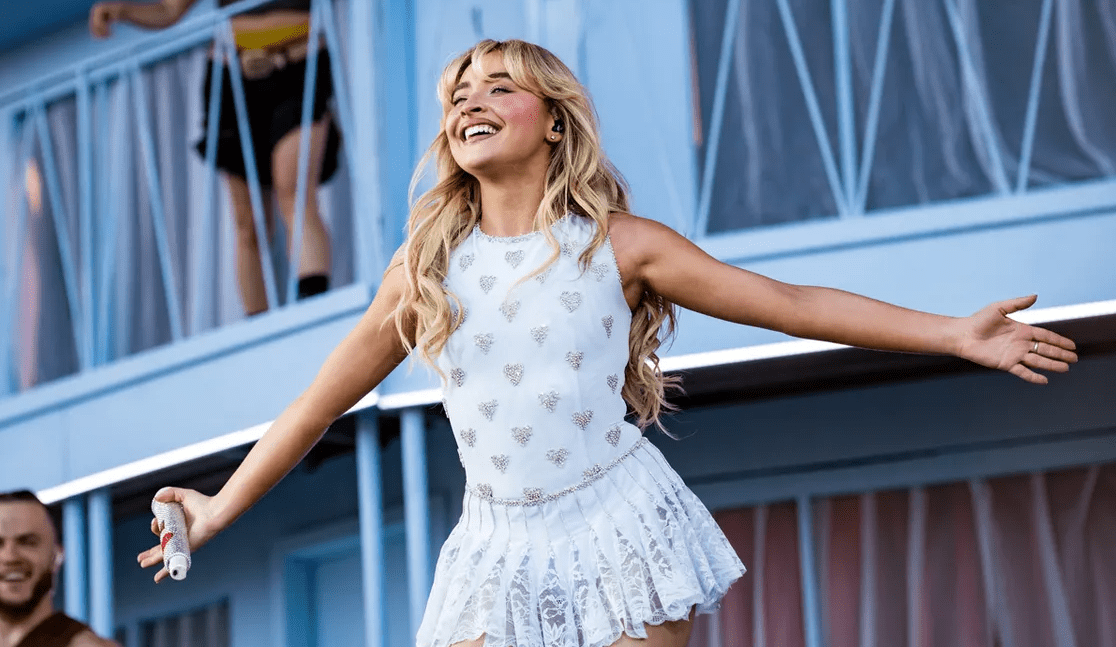

In the algorithm-driven era of pop culture, visibility is everything.
Few artists understand that better than Sabrina Carpenter.
Over the past two years, Carpenter has transformed from a former Disney Channel actress into one of the most talked-about figures in global pop. Her viral hits, theatrical performances, and hyper-stylized visual identity have turned her into a cultural lightning rod—celebrated by fans as a bold pop icon and questioned by critics as a symbol of pop’s increasingly aestheticized version of feminism.
Songs like “Espresso” and her polished tour performances have pushed Carpenter firmly into the center of the modern pop conversation. On social media platforms like TikTok and Instagram, her persona is instantly recognizable: playful, seductive, ironic, and meticulously styled.
She is everywhere—magazine covers, viral edits, concert clips circulating across timelines.
And she knows exactly how to play the game.
But as the spectacle grows larger, so does the cultural debate surrounding it.
The Aesthetic of Empowerment

Carpenter’s visual language is unmistakable.
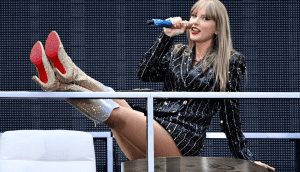
Her performances often lean into a hyper-feminine aesthetic—sparkling micro-shorts, vintage bows, playful choreography, and lyrics delivered with a knowing wink. The imagery evokes a curious mix of nostalgia and provocation: part Barbie fantasy, part old-Hollywood glamour, part internet-era irony.
It is empowerment packaged for a digital audience.
The aesthetic resonates particularly with younger listeners navigating identity in a hyper-visual world where self-expression often unfolds through curated images.
But critics argue that this style raises a complicated question.
Is it empowerment—or simply the latest evolution of pop’s long-standing tradition of commodifying femininity?
Playing the Pop Game Perfectly

To understand Carpenter’s rise, it’s important to look at the broader mechanics of modern fame.
Today’s pop stars are not only musicians—they are brands designed to function seamlessly across social platforms, streaming algorithms, and global marketing campaigns.
Carpenter excels at this system.
Her music is crafted for replayability. Her visuals are designed for virality. Her performances generate clips perfectly suited for endless social media circulation.
In many ways, she represents the ultimate Gen Z pop strategy: irony layered over sensuality, delivered with a self-aware smile that blurs the line between satire and sincerity.
The formula works.
Her fanbase continues to grow, her tours sell out, and her songs dominate streaming platforms.
But cultural influence inevitably invites scrutiny.
The Question of Substance
The real debate surrounding Sabrina Carpenter isn’t about talent or success.
Few deny she has both.
Instead, the discussion revolves around meaning.
For decades, pop music has often intersected with feminist discourse—sometimes subtly, sometimes confrontationally. Artists like Madonna, Beyoncé, and Lady Gaga built careers not only on spectacle but also on explicit cultural commentary about gender, power, and identity.
Carpenter’s approach is different.
Her work often flirts with empowerment without explicitly interrogating the systems that shape it. The messages remain playful rather than political, confident but rarely confrontational.
For some fans, that’s exactly the appeal.
Pop doesn’t always have to carry the weight of activism.
But others argue that when an artist’s image heavily draws from feminist aesthetics, the absence of deeper engagement becomes noticeable.
A Reflection of the Gen Z Cultural Moment
Ultimately, the conversation around Sabrina Carpenter may say more about culture itself than about the artist alone.
Gen Z’s relationship with feminism is complex.
Social media has transformed activism into a constantly evolving aesthetic—hashtags, trends, viral slogans, and branded messaging often blur the boundaries between political engagement and personal branding.
In this environment, empowerment frequently appears as a visual language rather than a political framework.
Confidence becomes a product.
Independence becomes a style.
And feminism sometimes risks becoming another aesthetic filter within the endless scroll of digital culture.
Carpenter did not invent this system.
She simply navigates it extremely well.
Icon, Symptom, or Both?
So where does Sabrina Carpenter ultimately stand within the broader conversation?
The answer may be less clear-cut than critics suggest.
She is undeniably iconic—an artist who understands modern fame with near-perfect instinct. Her charisma, musical instincts, and visual identity have positioned her at the center of contemporary pop culture.
At the same time, her rise highlights the evolving nature of celebrity influence in the algorithm age.
The pop stars of previous generations often positioned themselves as cultural disruptors. Today’s stars are more likely to function as cultural mirrors—reflecting the values, aesthetics, and contradictions of the audiences consuming them.
Carpenter may not be leading a political movement.
But she is undeniably capturing the mood of a generation navigating identity, empowerment, and self-expression within a highly commercialized digital ecosystem.
The Real Cultural Question
Perhaps the most revealing question isn’t whether Sabrina Carpenter represents feminist progress or feminist failure.
It’s why audiences expect pop stars to carry that responsibility in the first place.
In an era where celebrity culture, social media algorithms, and corporate branding shape nearly every aspect of visibility, even the most authentic artistic expression exists within a carefully engineered ecosystem.
Carpenter understands that reality—and thrives within it.
That might frustrate critics looking for deeper political engagement.
But it also reveals something important about modern pop culture.
Today’s icons are not always revolutionaries.
Sometimes they are reflections.
And Sabrina Carpenter may be the clearest reflection yet of how fame, feminism, and digital culture collide in the age of the algorithm.








Comments are closed.