
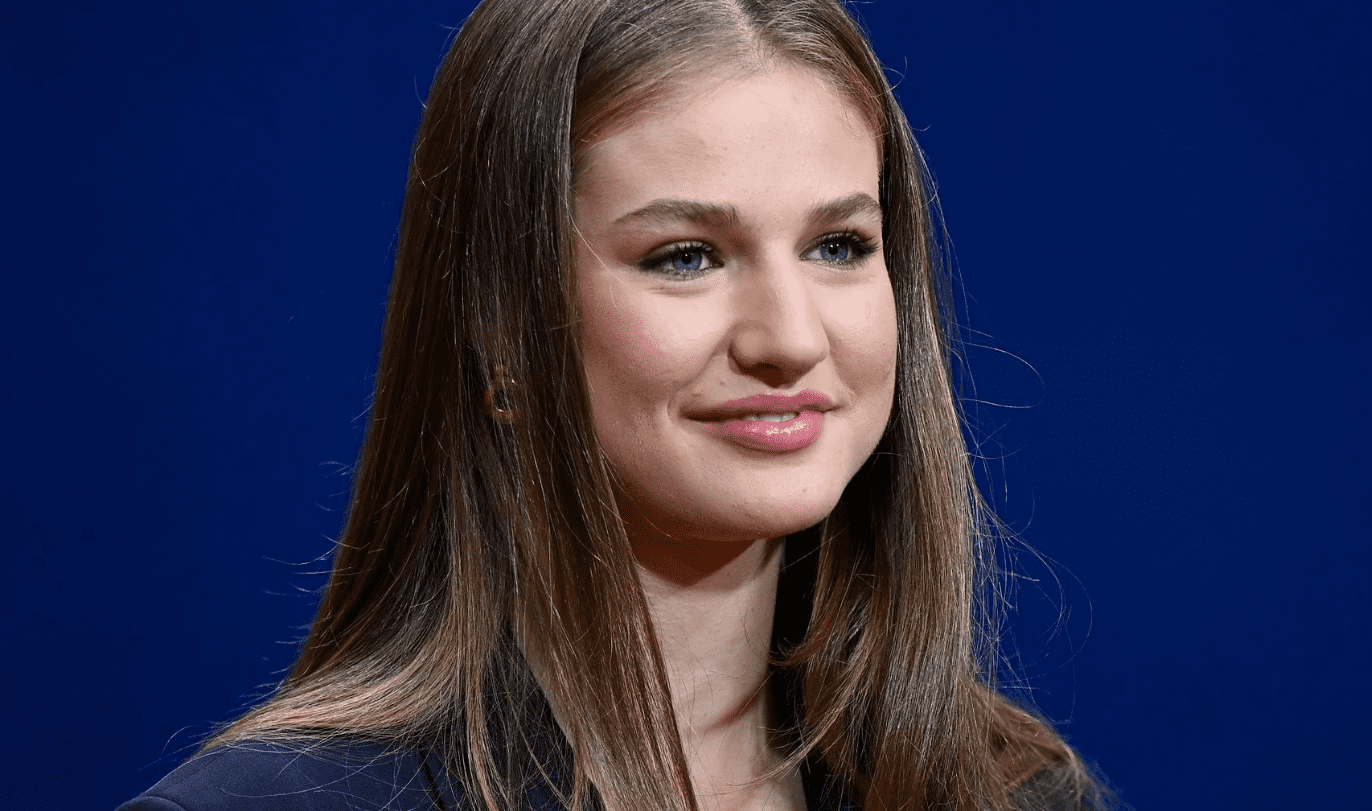
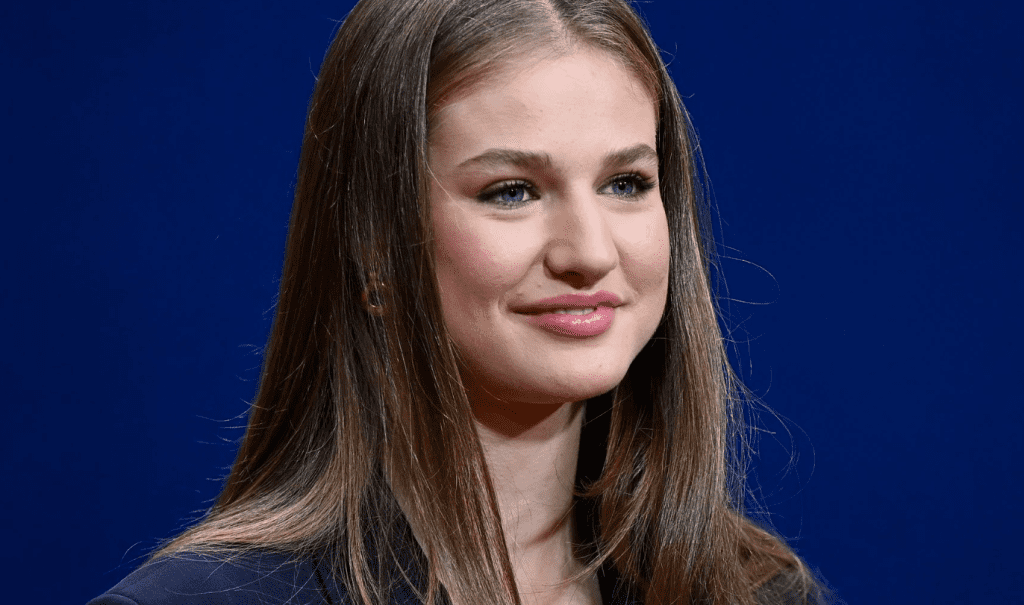
History is quietly unfolding in Spain. At just 20 years old, Princess Leonor is set to become Queen of Spain, marking a moment not seen for more than 150 years. As the heir to the Spanish throne, Leonor represents a generational shift for the monarchy, blending centuries-old tradition with modern preparation, education, and leadership.
Already deep into her royal and military training, the future monarch is steadily stepping into a role that carries both symbolic weight and constitutional responsibility.
Princess Leonor Set to Become Queen of Spain
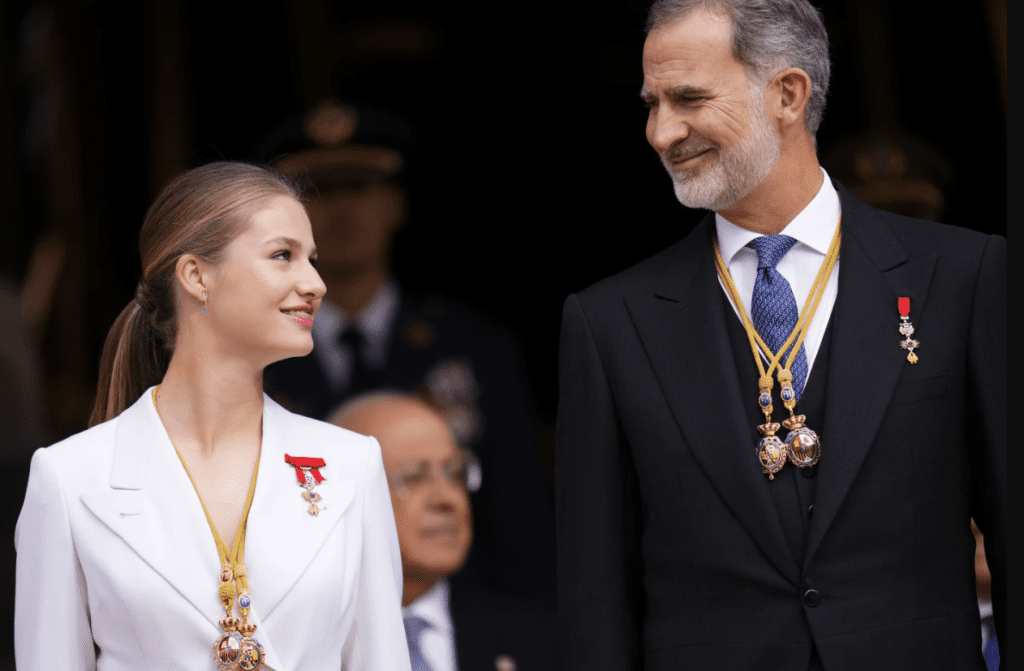
Princess Leonor of Spain, the eldest daughter of King Felipe VI and Queen Letizia, is the country’s heir apparent. When she ascends the throne, she will become Spain’s first Queen Regnant since Queen Isabella II, who ruled in the 19th century.
This milestone is significant not only for Spain but also for Europe’s modern monarchies. While many royal families have embraced gender-neutral succession laws, Spain has not had a reigning queen in more than a century and a half.
The rise of Princess Leonor reflects both historical continuity and cultural change.
A Brief History of Spain’s Royal Line
The Bourbon Dynasty
Spain’s throne has been held by the Bourbon family since the early 18th century. Their rule was established after the War of the Spanish Succession, when the Bourbons defeated the rival Habsburg dynasty and secured control of the crown.
Despite political upheaval, exile, and restoration, the Bourbons have remained central to Spain’s monarchy.
The Modern Monarchy’s Return
Following nearly 40 years of dictatorship under Francisco Franco, the Spanish monarchy was restored in 1975. King Juan Carlos I played a key role in guiding Spain toward democracy, helping stabilize the country during a crucial transitional period.
In June 2014, Juan Carlos abdicated in favor of his son, Felipe, who became king at the age of 46. That transition paved the way for the next generation of royal leadership.
Princess Leonor’s Place in the Royal Family
Born Into History
Princess Leonor was born in 2005 and holds the title Princess of Asturias, traditionally granted to the Spanish heir. She has one younger sister, Infanta Sofia, born in 2007.
From an early age, Leonor has been prepared for her future role, balancing public appearances with a carefully structured education.
A New Generation of Royal Leadership
As a member of Generation Z, Leonor represents a modern face of monarchy. Her upbringing reflects a blend of tradition, international exposure, and academic rigor.
This generational shift is expected to shape how the Spanish monarchy connects with younger citizens in the decades ahead.
Education and Academic Foundations
International Studies in Wales
Princess Leonor completed her secondary education at UWC Atlantic College in Wales, where she earned an International Baccalaureate diploma. The school is known for its emphasis on global citizenship, leadership, and cultural understanding.
This international experience helped broaden her perspective beyond Spain’s borders.
Preparing for Constitutional Duties
Spain’s monarch holds a constitutional role rather than direct political power. As such, Leonor’s education has focused on history, law, diplomacy, and civic responsibility.
These foundations are essential for a future head of state who must represent national unity.
Military Training as Spain’s Future Commander in Chief
A Legal Requirement for the Crown
By law, Spain’s reigning monarch must complete training with the Army, Navy, and Air Force. This requirement reflects the monarch’s role as Commander in Chief of the Armed Forces.
Princess Leonor has already begun fulfilling this obligation, marking a major step in her preparation.
Army Training in Zaragoza
Leonor began her military journey in August 2023 with the Spanish Army in Zaragoza. She joined a cohort of 560 cadets, undergoing the same discipline and instruction as her peers.
This experience emphasized leadership, resilience, and teamwork.
Naval Training and Life at Sea
In 2024, Leonor transitioned to naval training in Galicia. She then embarked on a 140-day voyage aboard the training ship Juan Sebastián de Elcano.
The 17,000-mile journey took her across the Atlantic, around South America, and up to New York. During the voyage, she worked as a regular crew member, gaining firsthand experience of naval operations and life at sea.
Air Force and Space Academy
Following a short assignment on the warship Blas de Lezo, Leonor returned to the Elcano for its final voyage to Cádiz. She later continued her training at the Air Force and Space Academy in San Javier, Murcia.
Each branch adds a new layer to her understanding of Spain’s defense forces.
Recognition and Institutional Honors
Gold Medal of the Region of Murcia
Princess Leonor is set to receive the Gold Medal of the Region of Murcia, the highest honor awarded by the region. The recognition reflects her commitment to public service and her role as the future leader of Spain’s armed forces.
Such honors are symbolic milestones that reinforce her growing public presence.
Building National Trust
These distinctions help introduce Leonor to the public not only as an heir, but as a capable and dedicated future monarch.
They also reinforce continuity within Spain’s constitutional framework.
Why Leonor’s Future Reign Matters
A Historic First in Modern Spain
When Princess Leonor becomes Queen of Spain, it will mark the end of a 150-year absence of a reigning queen. The symbolism is powerful, particularly in a country with deep historical roots.
It reflects evolving attitudes toward leadership and succession.
Balancing Tradition and Modernity
Leonor’s training demonstrates how the monarchy is adapting to contemporary expectations while maintaining long-standing traditions.
Her preparation emphasizes duty, service, and national unity rather than spectacle.
Public Interest and Global Attention
A Figure Watched Beyond Spain
As Europe’s future queen, Princess Leonor is already attracting international attention. Her education, military service, and public appearances are closely followed by royal watchers worldwide.
This visibility adds responsibility but also opportunity.
A Role Model for Young Europeans
Leonor’s disciplined path, global education, and service-oriented training position her as a relatable figure for younger generations.
Her journey shows how tradition can evolve without losing purpose.
Conclusion
Princess Leonor’s path to becoming Queen of Spain marks a historic chapter for the nation. At just 20 years old, she is already undergoing rigorous preparation that reflects the weight of her future role.
With military training underway, international education completed, and public recognition growing, Leonor represents both continuity and change. When she eventually ascends the throne, Spain will witness not only its first queen in 150 years, but the beginning of a new royal era shaped by modern values and deep-rooted responsibility.










Comments are closed.