
What it reveals about celebrity life, global conflict, and how we navigate uncertainty in 2026
When missiles arc across international headlines and global anxiety spikes, ordinary voices matter. But when a former Hollywood staple quietly reassures her followers, it becomes emblematic of something deeper.
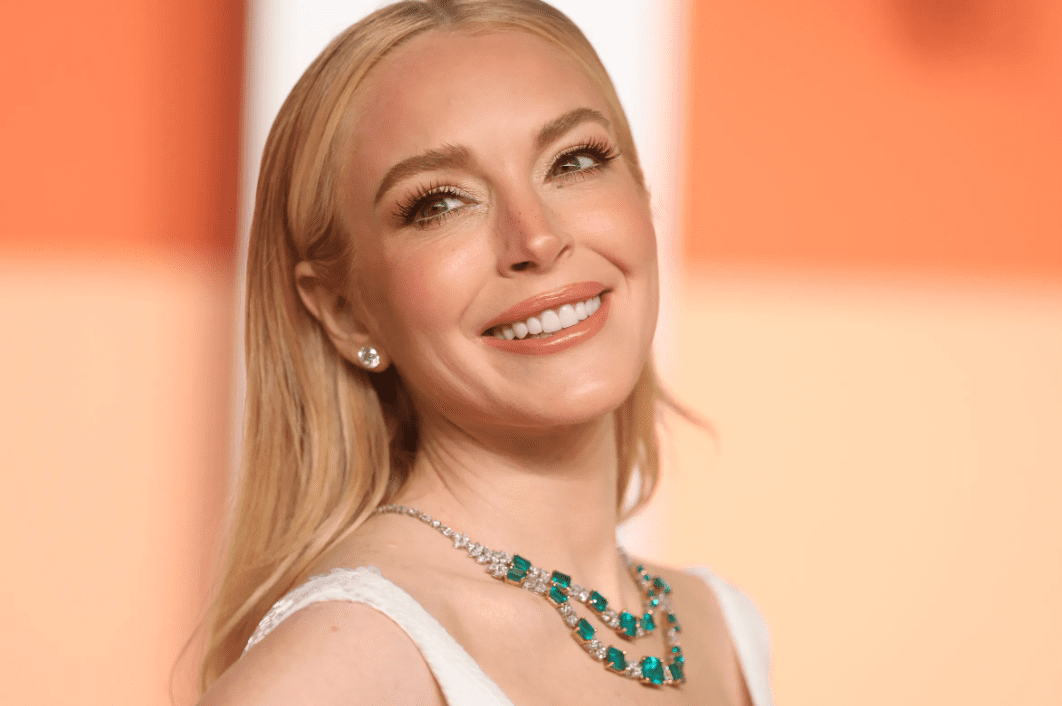
Recently, Lindsay Lohan shared a simple message from Dubai: “Praying for peace. Stay safe everyone. God bless us all.”
That short retreat from spectacle into sincerity struck a chord. It didn’t make headlines because it was glamorous or profane—quite the opposite. In a moment of geopolitical tension affecting the Middle East and Gulf region, Lohan’s words reminded the world that even the famous are not insulated from global instability.
But her message also signaled something more: the evolving role of celebrities in a world where borders, conflicts, and cultural narratives are increasingly interconnected.
Conflict Hits Home: A Region on Edge
In early March 2026, rising tensions across the Middle East triggered air defence alerts in Gulf cities. Dozens of projectiles were reported intercepted over urban centres, and while major airports remained operational, debris from intercepted missiles sparked fires at high-profile locations—most notably the Burj Al Arab and Fairmont The Palm in Dubai. Authorities confirmed casualties and damage, heightening civilian unease across the region.
These developments—while geopolitical in origin—translated rapidly into the everyday lived experience of residents and expatriates in the Gulf. Dubai, long seen as a global hub of commerce, culture, and luxury living, was suddenly reminded that even its glittering skyline exists in a wider context of regional tension and strategic instability.
Lohan’s reassurance didn’t occur in a vacuum. It was part of a larger narrative: in an era of instant news and social media immediacy, crises that once felt distant now feel personal.
Dubai: A New Chapter for a Former Star
Lohan’s presence in Dubai is itself part of a broader shift in celebrity life. Once one of Hollywood’s most scrutinised stars—framed by tabloids and paparazzi—she has deliberately moved her life away from the glare of Los Angeles.
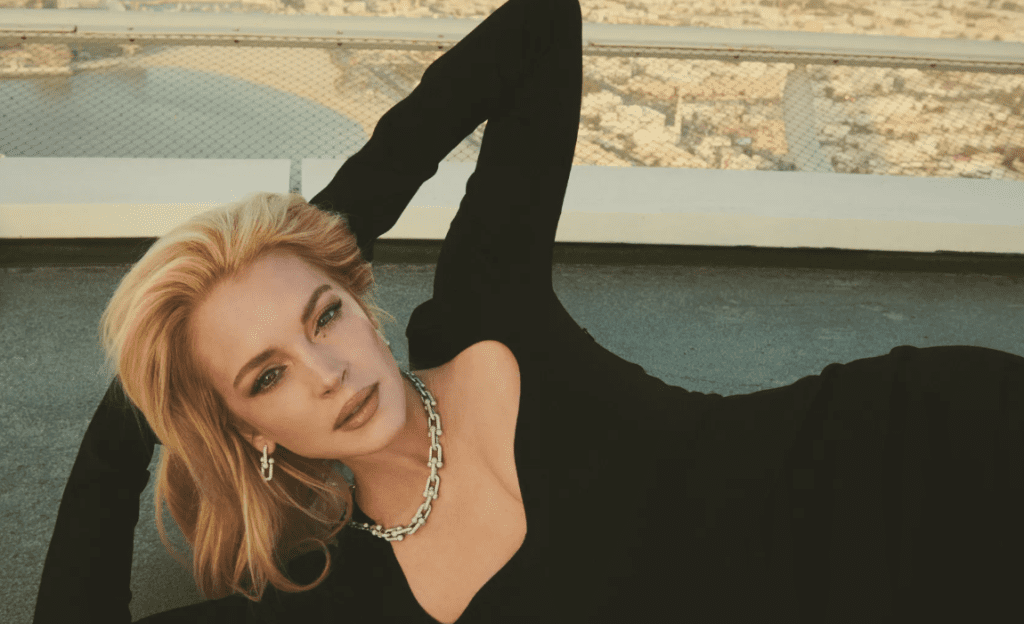
In interviews before settling in Dubai, Lohan spoke about the emirate’s appeal: safety, privacy, and a chance to focus on family. Her husband, financier Bader Shammas, and their son Luoai are central to this quieter chapter, one that prioritises stability over spectacle.
In a world where celebrity presence often feeds conflict coverage and viral commentary, Lohan’s choice of residency has always been about reclaiming her narrative. But current events show that even choices made for peace can be reframed by broader instability.
Celebrity Responsibility in a Hyperconnected Moment
In the past decade, the expectations around celebrity commentary on crises have shifted dramatically. Gone are the days when performers could safely stay silent on world events without their silence itself becoming a headline. Today, when conflict unfolds, audiences look for meaning anywhere they can get it—even from those whose primary vocation has never been politics.
But Lohan’s statement was notable precisely because it was not political. It was humane. There were no calls for strategy, no alliances invoked, no blame apportioned. Her message was a human one—a plea for safety and peace at a moment of uncertainty.
This matters because in an era of polarised media, incendiary headlines, and 24/7 news cycles, a genuine, non-partisan voice resonates. It cuts through spectacle and reminds us that beneath national narratives, global gamesmanship, and strategy debates are people living real lives.
A Landscape Where Celebrity = Soft Power
Lohan’s Dubai post also reflects another trend: the rise of celebrity soft power. Public figures today are not only entertainers—they are cultural signposts. Their lives and social feeds shape how audiences interpret world events, for better or worse.
Seen in this light, Lohan’s message can be understood as:
- A reassurance to her followers that she is safe
- A human anchor in a swirling news environment
- A subtle reminder that conflict affects civilians, not just geopolitics
Importantly, it sidestepped the trap of celebrity moralising. Instead of instructing or opining, she simply empathised—the kind of communication that feels genuine rather than manufactured.
This is soft power in action: influence not through instruction, but through shared humanity.
Celebrity, Safety, and the Global Condition
Conflicts in the Middle East reverberate across continents, and in a connected world, people everywhere feel the shockwaves—whether through markets, travel routes, or shared news feeds. The idea that Dubai was a safe haven for expatriates and global elites was already strong; now, it is being tested.
Lohan’s message, then, becomes more than a reassurance to her followers. It becomes a reflection of a larger moment in cultural consciousness:
- Safety is no longer a given, no matter your status.
- Celebrity presence is evidence of how interconnected we really are.
- Human vulnerability unites more than political abstraction divides.
In other words: peace is a universal aspiration, not a luxury. And when someone in the public eye articulates that longing—not for accolades, not for positioning—that voice can humanise headlines and give shape to global anxiety.
The Broader Cultural Takeaway
Hollywood has long been criticised for its insularity—stories of privilege removed from the real world’s harsher realities. But moments like this reveal another truth: celebrities live in the same world as everyone else. Their cities can feel the same fear, their families face the same questions of safety, and their messages can mean something real to people watching from afar.
Lohan’s simple, heartfelt prayer for peace is not only about her or her family. It resonates because it reflects a collective moment of uncertainty, hope, and solidarity.
Conclusion: A Reminder That Humanity Comes First
In times of heightened geopolitical tension, it’s easy to get lost in strategy, blame, and analysis. But when a familiar face sends out a note of hope, the effect can be unexpectedly grounding.
Lindsay Lohan’s message from Dubai was not celebrity theatre. It was a human response to a human condition—fear, hope, and a desire for peace.
And in a fractured media landscape where sound bites are currency and outrage is oxygen, moments of genuine empathy are rare.
That’s why this one mattered.


Comments are closed.