
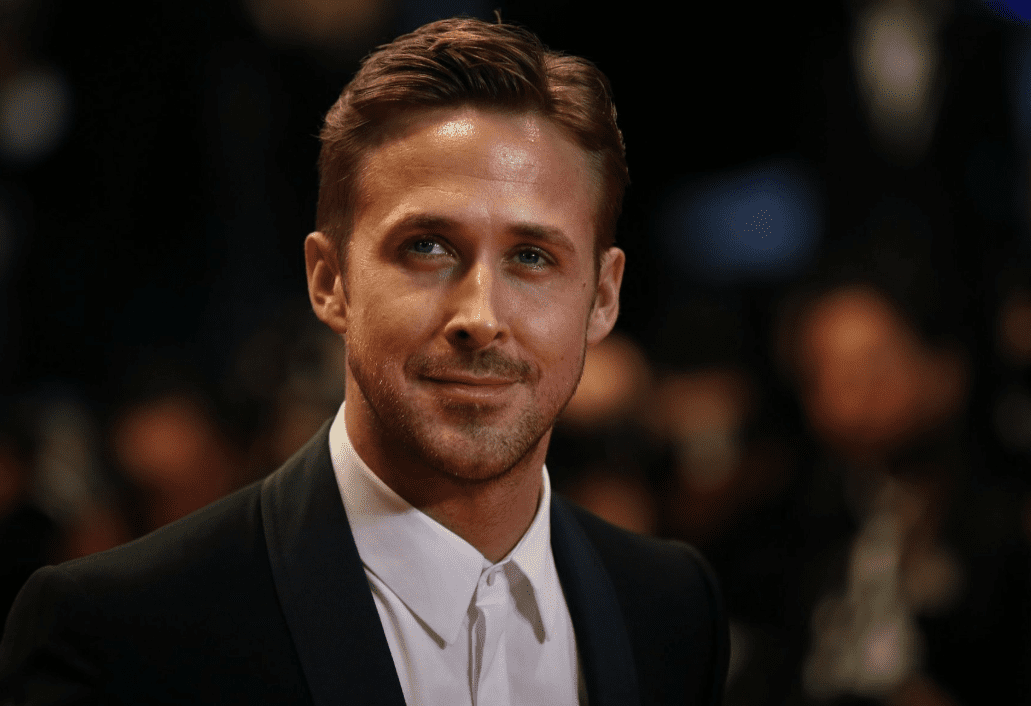
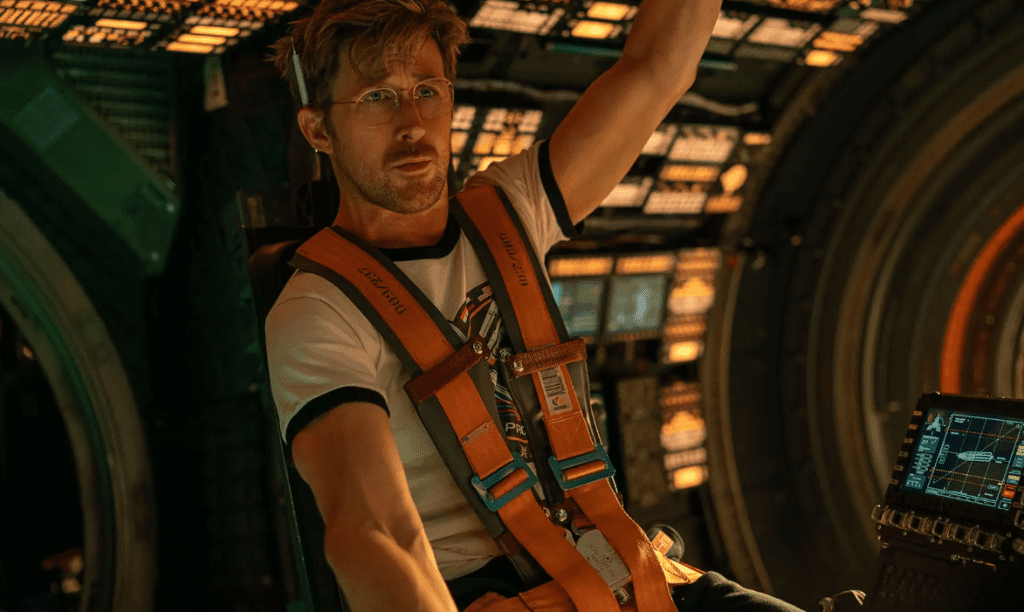
In an industry that often rewards predictability, Ryan Gosling has built a career on the opposite principle: controlled unpredictability. He is not just a movie star — he is a cultural signal. When Gosling appears on screen, something subtle but unmistakable shifts. The audience adjusts. Expectations recalibrate. Attention sharpens.
From his early breakthrough in The Notebook (2004) to his genre-defining performance in Drive (2011), Gosling has continuously refused to be confined to a single archetype. Instead, he has built a career that moves fluidly between emotional extremes: romantic devotion, emotional detachment, absurd comedy, and existential stillness.
The Architecture of Versatility
What distinguishes Gosling from his peers is not just range, but intention. In Crazy, Stupid, Love, he delivers charisma with comedic precision. In Blue Valentine, he dismantles romantic idealism with emotional honesty. In Blade Runner 2049, he embodies a quiet, almost mechanical stoicism that becomes unexpectedly human.
Each role appears different on the surface, yet they share a common thread: restraint. Gosling rarely overplays emotion. Instead, he lets silence do the work — a technique that has become one of his most recognizable artistic signatures.
This minimalism reached its most iconic form in Drive, where his near-wordless performance turned absence into presence. The scorpion jacket, the stillness, the pauses — all became cultural shorthand for a new kind of cinematic masculinity.
Redefining Masculinity on Screen
Part of Gosling’s cultural staying power lies in how he subverts traditional male archetypes. He is not the loud hero, nor the overly polished heartthrob. Instead, he occupies a rare middle space: emotionally available yet detached, intense yet self-aware.
His portrayal of Ken in Barbie (2023) pushed this even further. What could have been a satirical caricature instead became a layered performance about identity, validation, and emotional dependence. Gosling did not mock the character — he inhabited him fully, turning irony into sincerity.
In doing so, he redefined what it means to be a leading man in the modern era: not dominant, but expressive; not untouchable, but vulnerable.
The Internet’s First “Everything Meme” Star
Long before meme culture became a marketing strategy, Gosling became its accidental pioneer. The “Hey Girl” phenomenon transformed his calm expression into a blank canvas for digital affection, humor, and projection.
Unlike many celebrities, Gosling never resisted this transformation. He did not over-explain or over-correct. Instead, he leaned into it — allowing the internet to shape him as much as he shaped his roles.
This adaptability is rare. In a media landscape obsessed with control, Gosling’s openness to reinterpretation has made him endlessly reusable, endlessly relevant.
The Discipline Behind the Ease
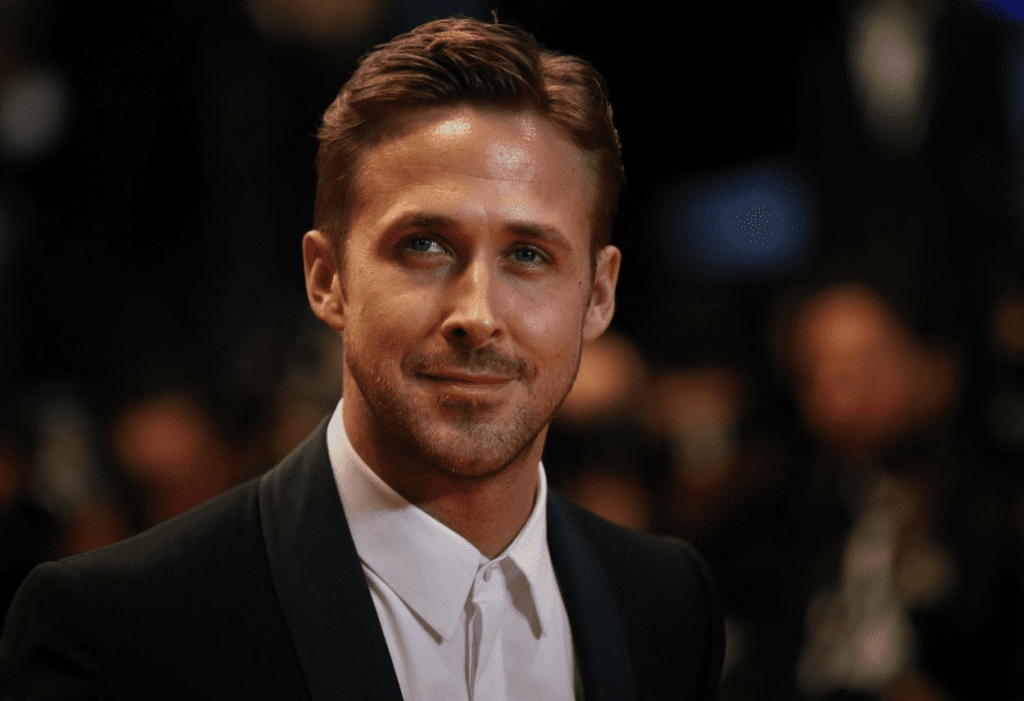
Behind the effortless persona lies a disciplined performer. Gosling is known for deeply immersive preparation — from learning musical performance for La La Land to physical transformations for demanding roles.
Yet what sets him apart is not just preparation, but restraint in execution. He avoids theatrical excess. Even in emotionally charged scenes, he maintains a grounded presence that feels unforced.
This discipline creates an illusion: that he is not acting at all, but simply existing within the frame.
A Career Built on Balance
Gosling’s filmography reads like a deliberate balancing act:
- Indie intensity (Half Nelson, Blue Valentine)
- Romantic mainstream success (The Notebook, La La Land)
- Comedic disruption (The Nice Guys, Barbie)
- Sci-fi minimalism (Blade Runner 2049)
Few actors successfully navigate all four without losing coherence. Gosling does so by maintaining one constant: emotional authenticity, filtered through restraint.
Conclusion: The Power of Controlled Mystery
In an age of constant visibility, Ryan Gosling remains one of Hollywood’s most carefully preserved enigmas. He does not overexpose his private life, nor does he overexplain his choices. This absence of excess has become part of his appeal.
He is not simply a star who adapts to culture — he subtly shapes it. Whether as a silent driver, a broken lover, or a plastic icon of masculinity, Gosling continues to reflect back something audiences recognize, even if they cannot fully define it.
And perhaps that is the secret: Ryan Gosling never fully arrives as one thing. He arrives as possibility.










Comments are closed.