
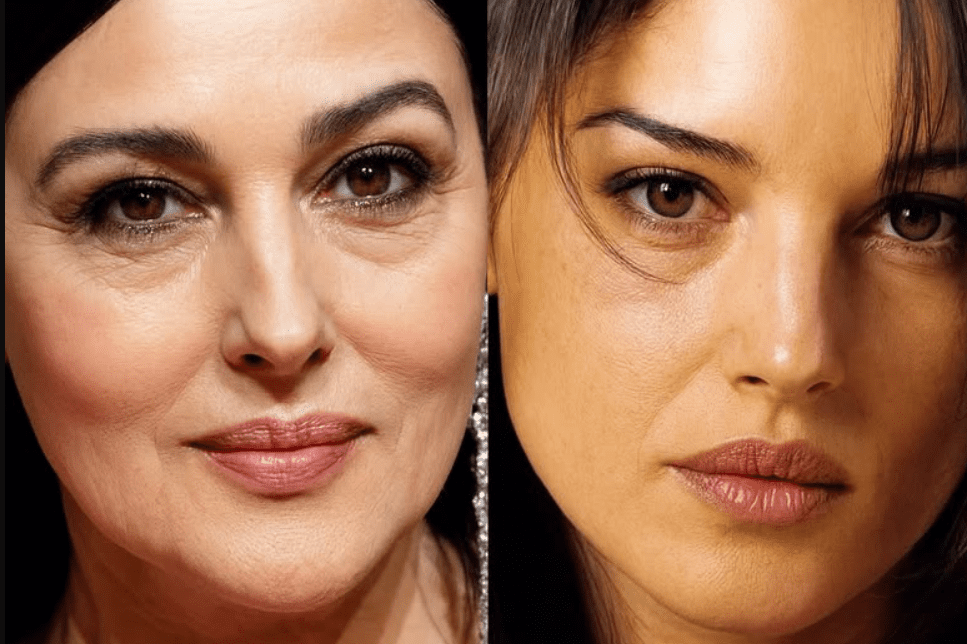
What does it mean to truly embrace time instead of fearing it?
For Monica Bellucci, the answer is simple. Live fully. Love deeply. Choose motherhood when you are ready. And never apologize for evolving.
In an industry obsessed with youth, Bellucci has built a career that celebrates maturity, freedom, and self acceptance. She became a mother later in life. She continued leading major films. She redefined what glamour looks like in contemporary cinema.
Today, her legacy feels more relevant than ever.
If you are exploring the most essential Monica Bellucci movies, this in depth guide revisits the performances that shaped her iconic status while highlighting why her journey as a late mother continues to inspire women worldwide.
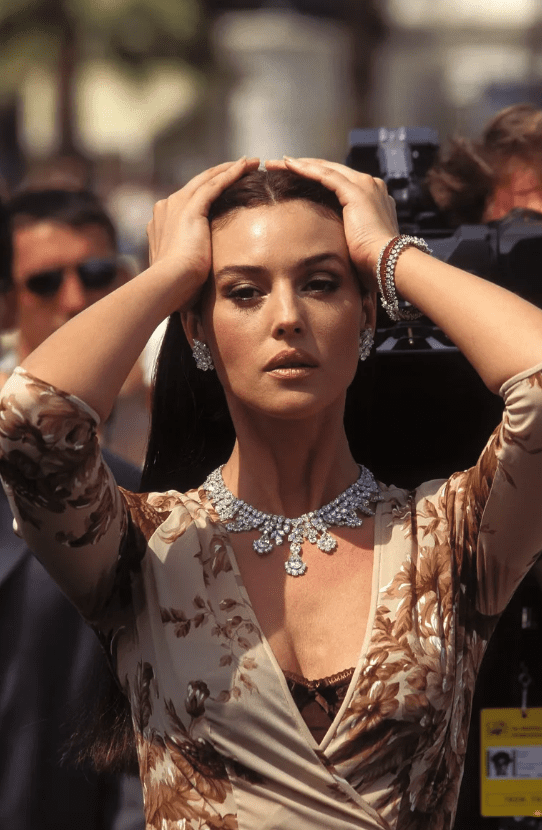
From Italian Muse to Global Film Legend
Born in Città di Castello, Umbria, Monica Bellucci began her career as a model before conquering the film world. During the late 1980s and early 1990s, she collaborated with luxury powerhouses such as Dolce & Gabbana and Dior, quickly becoming a symbol of Mediterranean sensuality.
However, Bellucci was never content with surface level success. She transitioned into acting with intention and discipline. Early European films revealed emotional intelligence behind the beauty. As a result, directors recognized her as more than a fashion icon.
By the mid 1990s, she had become one of the most sought after actresses in European cinema. Soon after, Hollywood followed.
Malèna 2000
The Monica Bellucci movie that changed everything
Few Monica Bellucci movies have achieved the cultural impact of Malèna, directed by Giuseppe Tornatore.
Set in a small Sicilian town during World War II, the film portrays a woman whose extraordinary beauty isolates her rather than protects her. Bellucci plays Malèna with restraint and quiet intensity. She speaks little. Yet she communicates everything.
Importantly, the film critiques the way society projects fantasies onto women. Beauty becomes both admiration and punishment. Even today, Malèna remains one of the most visually iconic Monica Bellucci movies, frequently referenced in fashion editorials and cultural commentary.
The performance cemented her place in cinematic history.
L’Appartement 1996
Love, obsession and a real life connection
In L’Appartement, Bellucci starred opposite Vincent Cassel in a psychological romantic thriller layered with mystery and longing.
Set in Paris, the story follows a man torn between past passion and future stability. Bellucci’s presence is magnetic yet nuanced. She brings emotional depth to a role built on desire and illusion.
This film also marked the beginning of her relationship with Cassel, with whom she later shared two daughters. Their partnership became one of Europe’s most talked about artistic unions.
Professionally, L’Appartement proved that Monica Bellucci movies could combine sensuality with psychological complexity.
Irréversible 2002
Fearless cinema that challenged boundaries
When Bellucci collaborated with Gaspar Noé on Irréversible, she took one of the boldest risks of her career.
The film unfolds in reverse chronological order and confronts violence, trauma, and consequence. Bellucci’s performance is raw and emotionally demanding. It stripped away glamour and comfort.
Although controversial, Irréversible demonstrated her commitment to artistic integrity. She chose complexity over safety. That decision strengthened her credibility across international cinema.
The Matrix Reloaded and The Matrix Revolutions 2003
A stylish turn in global blockbuster cinema
Bellucci expanded her international reach by joining the groundbreaking Matrix universe. In The Matrix Reloaded and The Matrix Revolutions, she portrayed Persephone, a mysterious and emotionally layered character.
Even in a supporting role, she commanded attention. Her performance blended sensuality with intelligence, proving that Monica Bellucci movies could seamlessly cross into large scale science fiction.
These films introduced her to a new global audience and solidified her Hollywood presence.
The Passion of the Christ 2004
Poise within an epic narrative
In The Passion of the Christ, directed by Mel Gibson, Bellucci portrayed Mary Magdalene with dignity and emotional restraint.
The film sparked global debate and achieved massive commercial success. Within its intense narrative, Bellucci offered calm empathy and spiritual strength.
This role confirmed that Monica Bellucci movies could move fluidly between European arthouse and international epics.
Spectre 2015
Redefining the modern Bond woman
When Bellucci appeared in Spectre alongside Daniel Craig, the moment felt historic.
Her portrayal of Lucia Sciarra challenged traditional expectations of the Bond franchise. She embodied sophistication, maturity, and quiet power. Audiences and critics alike praised the casting as a refreshing shift in Hollywood’s portrayal of women.
This role remains one of the most searched Monica Bellucci movies and continues to symbolize her refusal to conform to age driven stereotypes.
The Man Who Sold His Skin 2020
Art, identity and contemporary relevance
In The Man Who Sold His Skin, Bellucci participated in a thought provoking story exploring migration, art, and human dignity.
The film received international recognition and an Academy Award nomination for Best International Feature Film. Bellucci’s involvement underscored her ongoing dedication to meaningful storytelling.
Even decades into her career, she continues to choose projects that resonate with modern audiences.
Monica Bellucci as a Late Mother: Living Before Giving Life
Beyond the screen, Bellucci’s journey as a late mother deeply shapes her public image.
She welcomed her first daughter later than many women in the public eye. Years afterward, she became a mother again. In interviews, she has openly shared that she did not want to rush motherhood. She wanted to live first.
This perspective resonates strongly today. More women are redefining timelines around career, relationships, and family. Bellucci’s example reflects autonomy rather than pressure.
Her philosophy is simple. Youth carries what the French call the beauty of the devil. However, a different beauty emerges later. It comes from freedom, experience, and self love.
That belief makes her not only a film icon but also a cultural symbol of empowered femininity.
A Timeless Legacy in Modern Cinema
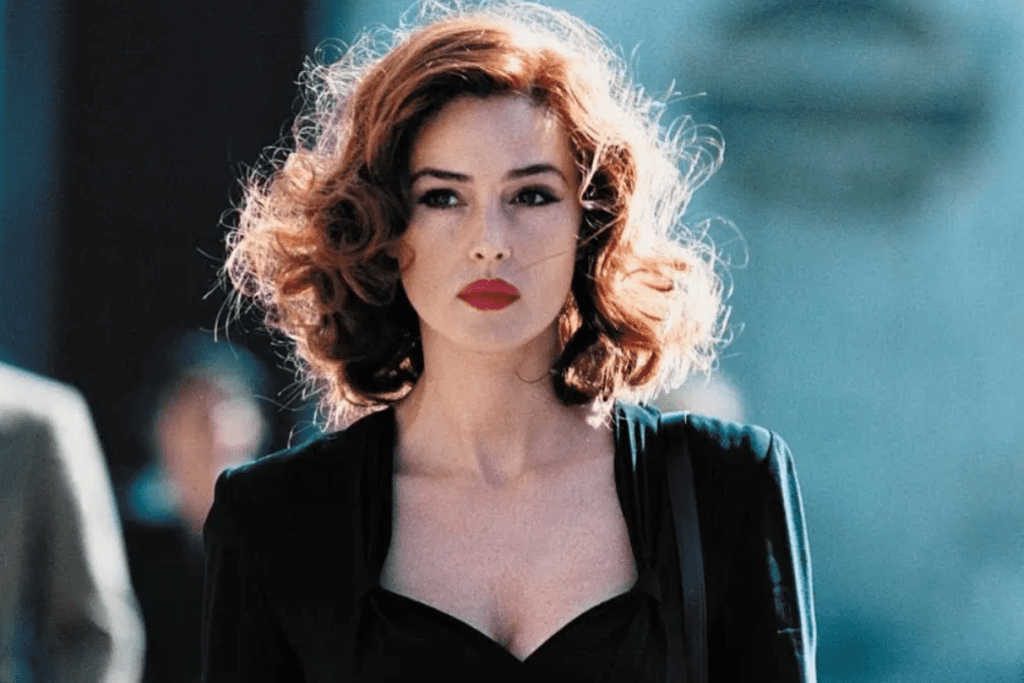
Today, Monica Bellucci remains active in European productions and international collaborations. She continues to appear at major film festivals, fashion events, and global premieres. Yet she does so on her own terms.
The lasting appeal of Monica Bellucci movies lies in their emotional range. They explore desire, vulnerability, power, faith, trauma, and transformation. They reflect a woman who evolves rather than freezes in time.
In a world that often pressures women to remain eternally young, Bellucci offers an alternative narrative. Growth is powerful. Experience is magnetic. Motherhood does not diminish ambition.
Instead, it deepens it.
Conclusion: Why Monica Bellucci Movies Still Matter Today
Monica Bellucci is more than a timeless beauty. She is an actress who has bridged European artistry and global cinema with intelligence and grace. She is a late mother who embraced life before embracing motherhood. She is proof that success has no expiration date.
From Malèna to Spectre and beyond, Monica Bellucci movies continue to inspire audiences across generations.
Her legacy reminds us that true elegance is not about age. It is about confidence, freedom, and the courage to live life on your own schedule.










Comments are closed.