


Introduction
When one cultural icon reflects on another, the result can be more revealing than any formal tribute. Emma Stone’s recent reflections on the late Diane Keaton go far beyond admiration. They read as an editorial on individuality, creative courage, and the lasting power of being unapologetically yourself. In remembering Keaton, Stone offers a rare and thoughtful look at how influence truly works in art, not through imitation, but through example.
A Hero Defined by Individuality
Emma Stone has spoken openly for years about the impact Diane Keaton had on her life and career. Although the two never officially collaborated on a film, Keaton’s presence loomed large in Stone’s creative world.
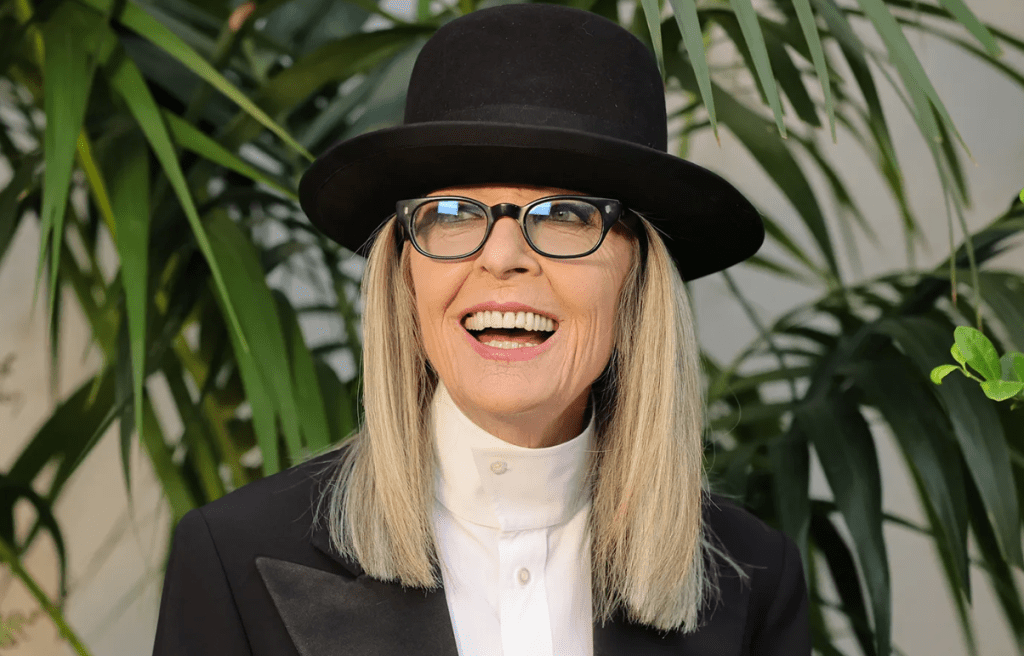
Following Keaton’s passing in October 2025 at the age of 79, Stone shared that even thinking about her was enough to make her emotional. She described Keaton as her “North Star” and her “ultimate hero,” not because she wanted to follow in her footsteps, but because Keaton taught her something far more valuable.
That lesson was simple, yet profound. Never try to be anyone else.
The Most Valuable Thing You Can Be
Authenticity as a Creative Force
Stone explained that Keaton helped her understand how important it is to recognize who you are and what only you can contribute. In an industry that often rewards sameness, Keaton stood out by refusing to conform.
She did not chase approval. She trusted her instincts. That trust became her signature.
For Stone, this philosophy reshaped how she viewed success. Authenticity was not a branding exercise. It was a responsibility. Keaton showed that when artists embrace their true selves, they offer something irreplaceable to the world.
A Life Lived in Many Facets
Keaton’s influence extended far beyond acting. Stone highlighted her work as a director, photographer, author, and even a winemaker. Each pursuit reflected the same unmistakable voice.
Everything Keaton touched carried intention. Her homes, her fashion choices, her creative projects, all felt deeply personal. Nothing was borrowed. Nothing was forced.
This multidimensional life reinforced a powerful idea. Creativity does not need permission. It only needs honesty.
Being Fully Alive in Art and Life
Stone described Keaton as someone who was “just so alive,” a phrase that captures both her emotional depth and her artistic range.
Keaton understood that life is often both tragic and funny at the same time. She embraced that contradiction and brought it into her work. Her performances never flattened emotion. They held complexity with grace.
Stone reflected on how rare that ability is. To balance humor and pain without minimizing either is a gift. It is also a skill that shaped how Stone approaches her own roles, encouraging her to lean into nuance rather than certainty.
A Conversation Rooted in Mutual Respect
Admiration Without Ego
Years earlier, Stone and Keaton shared a thoughtful public conversation that revealed a mutual respect grounded in curiosity. Stone spoke candidly about fandom and vulnerability, admitting that no matter how far her career had progressed, she still felt like a fan at heart.
Keaton understood this instinctively. She knew what it meant to admire others deeply without losing yourself in the process.
Their exchange felt less like a celebrity moment and more like an honest dialogue between two artists at different stages of their journeys.
Style, Self Acceptance, and Identity
The conversation also touched on style and personal expression. Stone noted how much she admired Keaton’s taste and visual sensibility, which had always rejected convention.
For Stone, beauty was never about perfection. It was about acceptance. She explained that when people are truly comfortable with how they look and who they are, it becomes visible. That confidence is magnetic.
Keaton embodied that idea long before it was celebrated. She did not dress to please. She dressed to express. In doing so, she expanded the definition of beauty for generations.
Cultural Influence That Outlasts the Spotlight
Diane Keaton’s cultural influence cannot be measured solely by her roles on screen. She reshaped how women were portrayed in film and how audiences understood complexity, intelligence, and individuality.
She proved that leading women did not need to be polished or predictable. They could be awkward, thoughtful, funny, and strong all at once.
Stone’s reflections make it clear that Keaton’s influence continues quietly but powerfully. She did not teach through instruction. She taught through presence.
Why This Legacy Still Matters
Icons Shaping Icons
Emma Stone’s tribute highlights an essential truth about influence. It does not always come from collaboration or mentorship. Sometimes it comes from watching someone live honestly and daring to do the same.
In a time when visibility is constant and comparison is unavoidable, Keaton’s example feels especially relevant. She reminds artists and audiences alike that originality is not something to be manufactured. It is something to be protected.
Stone carries that lesson forward, not by replicating Keaton’s choices, but by honoring the principle behind them.
Conclusion
Emma Stone’s remembrance of Diane Keaton is not just a personal tribute. It is a cultural reflection on what it means to leave a lasting mark.
Keaton’s greatest legacy was not a single performance or achievement. It was her unwavering commitment to being herself. Through Stone’s words, that lesson feels as alive as ever.
In celebrating her hero, Stone reinforces a truth that transcends cinema. The most powerful influence is authenticity, lived fully and without compromise.





Comments are closed.