

After years of anticipation, delays, and rising expectations, Euphoria season three has finally arrived. Yet instead of triumph, the latest chapter of the hit HBO drama is stirring disappointment and controversy.
Once praised for its bold storytelling and cultural relevance, the series now faces criticism for losing its emotional depth. What was once sharp, daring, and darkly funny has, according to early reactions, turned into something far heavier and far less rewarding.
A Long Wait That Raised Expectations
When Euphoria first premiered in 2019, it quickly became a defining show for a generation. Its mix of stylized visuals, raw storytelling, and unfiltered exploration of youth culture made it a global phenomenon.
Over time, it also launched its stars into mainstream fame. Performers like Zendaya, Sydney Sweeney, and Jacob Elordi became household names.
However, the journey to season three was anything but smooth. Production delays caused by the pandemic, industry disruptions, and reported behind-the-scenes tensions extended the gap between seasons. As a result, anticipation grew to near-mythical levels.
A Dramatic Shift in Tone
From Dark Humor to Relentless Grit
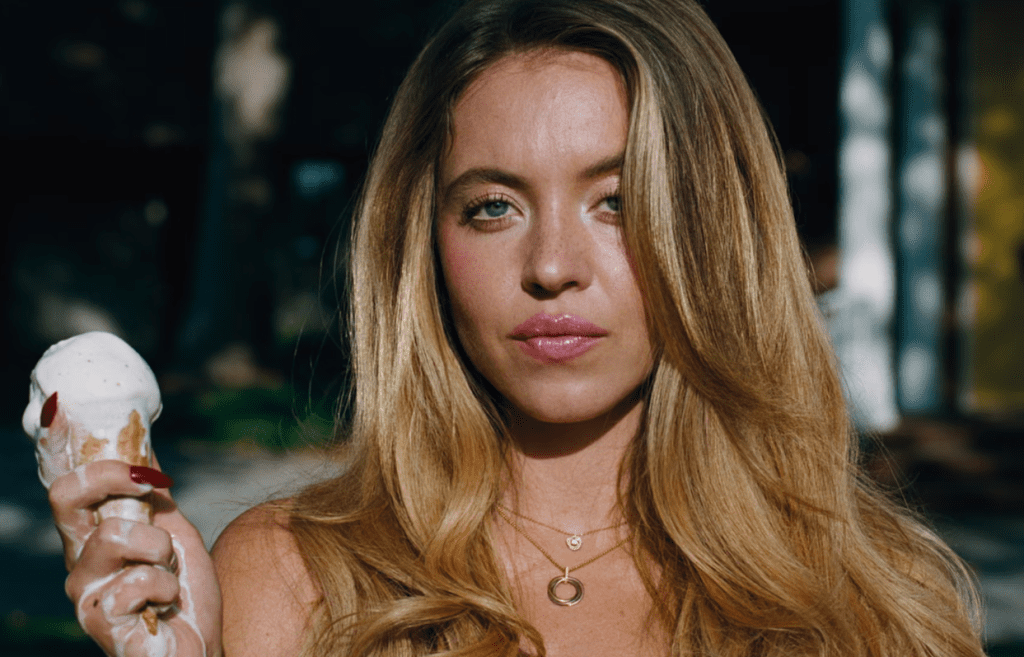
Earlier seasons of Euphoria balanced heavy themes with moments of surreal humor and creative storytelling. That balance appears to have shifted dramatically.
Season three opens five years after previous events, placing Rue in an even darker and more dangerous world. Her journey pulls her deeper into crime, addiction, and survival.
While the intention may have been to raise the stakes, the execution feels overwhelming. The storytelling leans heavily into bleakness, with little relief or emotional contrast.
A More Serious but Less Engaging Narrative
The new direction seems to abandon much of the show’s earlier wit. Scenes that might have once included irony or satire now feel heavy and humorless.
This tonal shift has left some viewers feeling disconnected. Without moments of levity, the intensity becomes difficult to sustain.
Performances Remain a Strong Point
Despite criticism of the writing, the cast continues to deliver powerful performances.
Zendaya Leads with Emotional Depth
Zendaya once again anchors the series as Rue. Her portrayal captures vulnerability, pain, and resilience with remarkable authenticity.
Even in the darkest moments, her performance provides a sense of emotional grounding.
Supporting Cast Still Shines
Actors like Sydney Sweeney and Adewale Akinnuoye-Agbaje bring intensity and depth to their roles.
However, strong acting can only go so far. Without compelling storylines, even standout performances struggle to elevate the material fully.
Controversial Themes Take Center Stage
A Heavy Focus on Sex and Power
Season three places significant emphasis on themes such as sex work, power dynamics, and exploitation. While these topics are not new to the series, their portrayal now feels more extreme.
Some storylines appear conflicted in their messaging. At times, they seem to critique certain behaviors. At others, they risk sensationalizing them.
This inconsistency has become a key point of criticism.
A Shift Away from Emotional Connection
One of the most notable changes is how relationships are handled. Previously central dynamics, including Rue’s connection with Jules, feel less developed.
What was once a nuanced and meaningful relationship now appears overshadowed by broader thematic exploration.
As a result, the emotional core of the series feels weaker.
The Creative Vision Under Scrutiny
Sam Levinson’s Direction Divides Audiences
At the center of the conversation is creator Sam Levinson. His vision for season three appears more focused on intensity and realism than accessibility.
While some viewers may appreciate the bold approach, others find it excessive.
Critics argue that the show prioritizes shock value over storytelling. This has led to the perception that the series has lost its original identity.
Tribute and Themes of Loss
The season also carries emotional weight due to real-life events, including the passing of Angus Cloud, who portrayed Fezco.
This sense of loss is reflected in the tone of the show. However, it also contributes to the overall heaviness that defines the season.
Why Fans Are Divided
Expectations vs Reality
After such a long wait, expectations were incredibly high. Fans hoped for a continuation of the show’s innovative storytelling and emotional resonance.
Instead, many feel they received a version of Euphoria that is more difficult to connect with.
The Challenge of Evolution
It is not uncommon for long-running shows to evolve. However, the challenge lies in maintaining the elements that made them successful in the first place.
In this case, the shift in tone and focus may have alienated part of the audience.
Final Verdict: A Bold but Flawed Return
Season three of Euphoria is undeniably ambitious. It tackles complex themes and pushes boundaries in ways few shows attempt.
However, ambition alone is not enough.
The lack of balance, combined with an overwhelmingly bleak tone, makes the viewing experience feel more exhausting than engaging. While the performances remain strong, they cannot fully compensate for the narrative shortcomings.
Conclusion: Was It Worth the Wait?
For some viewers, Euphoria season three may still offer moments of brilliance. For others, it represents a departure from what made the show special.
Ultimately, the season serves as a reminder that innovation must be paired with emotional connection. Without it, even the most visually striking and thematically ambitious series can struggle to resonate.
After years of anticipation, the question remains. Was it worth the wait?
For many, the answer may be more complicated than expected.


Comments are closed.