
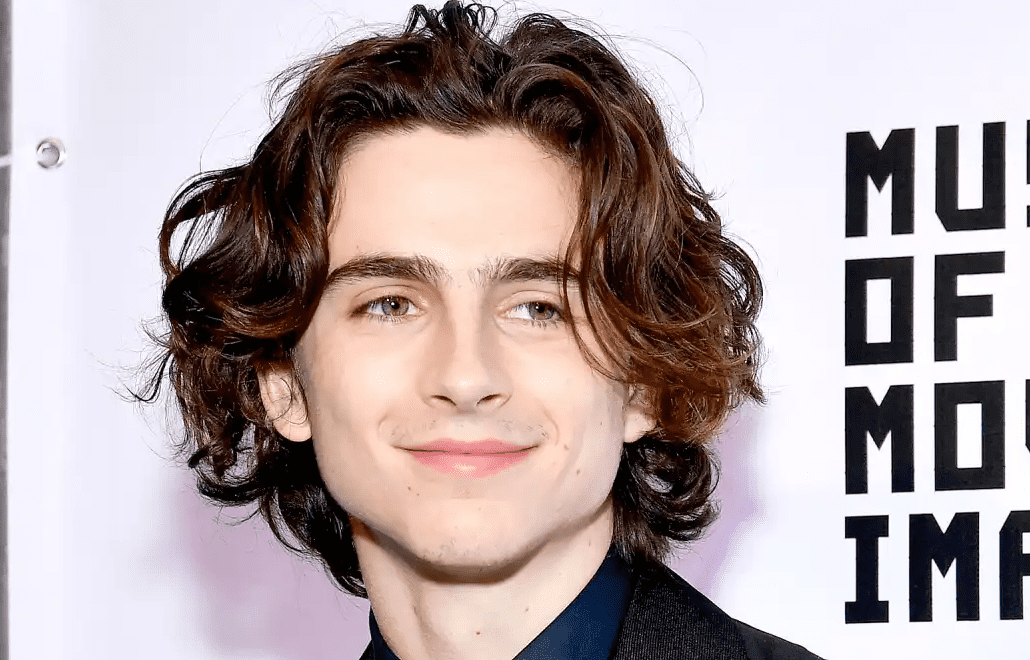

The Early Chapters: Born To Be Seen
Timothée Hal Chalamet was born on December 27, 1995, in New York City — the son of a former Broadway dancer and a real estate agent mother and an editor father. His upbringing was cocooned within the arts, and he absorbed that environment like a sponge. By high school he had already invented “Timmy Tim,” a rap persona whose teenage videos — rapping about everything from statistics to personal bravado — persist online as charming relics of a future star still figuring out his voice.
At first glance, his story might resemble that of many young talents: early exposure to performance, a prestigious arts education at LaGuardia High School (alma mater of luminaries like Robert De Niro and Jennifer Aniston), and a gradual move toward professional work. But Chalamet’s trajectory was different in one crucial way: he wasn’t groomed to be a star — he just became one.
Terms of Engagement: Breakthrough Moments
Homeland and the First Steps
Chalamet’s early career built quietly but smartly. Small TV roles led to his breakthrough part in Christopher Nolan’s Interstellar, where he played the son of Matthew McConaughey’s character. He wasn’t yet a leading man, but he had entered the orbit of Hollywood auteurs.
The Call Me By Your Name Explosion
2017 was the year everything changed. Luca Guadagnino’s Call Me By Your Name made Chalamet a global phenomenon. His portrayal of Elio Perlman — vulnerable, restless, heartbreakingly alive — earned him his first Academy Award nomination, making him the youngest Best Actor nominee since Mickey Rooney in 1940. Suddenly the industry and audiences alike were talking about Chalamet not as “the next big thing,” but as now big thing.
This was not only a breakthrough performance — it was a cultural polar moment. Millennials and Gen Z saw in Chalamet something rare: emotional intelligence and charm unfiltered by cynicism. Critics compared him to icons like James Dean not because of swagger, but because he represented a new kind of leading man — introspective, expressive, and daring.
Craft Over Celebrity
What sets Chalamet apart from many of his peers is his earnest devotion to craft over brand. After Call Me By Your Name, he could have taken any number of commercial roles. Instead, he dove into projects that expanded his range:
- Beautiful Boy — where he delivered his most gutting performance yet as Nic Sheff, a young man battling addiction, earning further awards recognition.
- Little Women — reuniting with Greta Gerwig and showcasing his deftness in ensemble storytelling.
- The King — blending historical drama with Chalamet’s signature interiority.
Even his hair — from bowl cut to mullet — became a cultural talking point, less for vanity than because he wore each look with a willingness that turned fashion statements into performance art.
Franchises and Future Blocks
Dune and World‑Building
Chalamet’s role as Paul Atreides in Denis Villeneuve’s Dune franchise marked his transition into true global tentpole territory. The films proved that his magnetism — subtle, cerebral, emotionally textured — could anchor sprawling sci‑fi epics. Dune 2 in 2024 only solidified his international star power, with press tours that became style events unto themselves, often trending across social media platforms at every stop.
Marty Supreme: The Career‑Defining Push
The industry keeps rewarding Chalamet’s ambition, but his 2025 work in Marty Supreme may be the most significant milestone yet. Directed by Safdie brothers (of Uncut Gems fame), Marty Supreme is a frenetic sports drama centered on competitive ping‑pong — and Chalamet’s performance has been widely celebrated as his most electrifying and fully realized to date.
Unlike typical Oscar bait, the film’s press tour was itself an event: orange ping‑pong ball stunts, exclusive merch drops, and viral marketing skits turned the rollout into a cultural moment. Critics praised Chalamet’s commitment to the role and the way he effortlessly inhabited the physical and emotional rhythm of the character.
His Oscar nomination for Best Actor — his third — feels not only overdue but emblematic of his evolution from prodigy to powerhouse.
Celebrity in the Digital Age
Timothée Chalamet’s popularity extends far beyond awards buzz or box office figures. “Chalamania” has become a real cultural phenomenon — fans online have turned his career into a participatory experience, from interactive websites to satirical press skits that highlight his fierce ambition and whimsical intelligence.
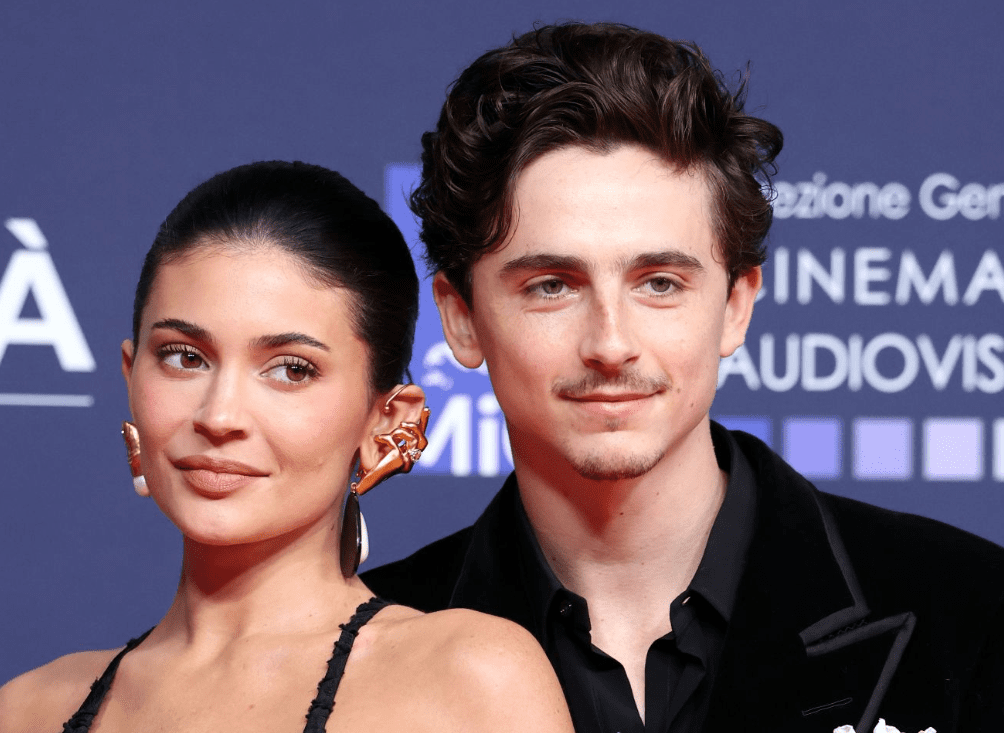
His relationship with Kylie Jenner, now public and enduring since 2023, has become one of pop culture’s most intriguing partnerships: equal parts low‑key romance and A‑list symmetry. Instead of courting headline drama, they have remained enigmatic — a calculated choice in an age when over‑exposure often accelerates celebrity burnout.
Style, Influence, and Industry Respect
Chalamet’s influence extends beyond cinema — he has shaped fashion narratives, graced magazine covers (including the first male solo British Vogue cover), and become a regular fixture at cultural institutions like the Met Gala. In 2021, he co‑chaired the event, signaling his crossover appeal from film to fashion and affirmation from tastemakers.
Despite speculation about “nepo‑baby” privilege — his family has connections to Broadway and film — Chalamet’s career feels earned. He has always chosen roles that challenge him, and he rarely shies away from complexity or nuance.
The Ambition of a Modern Icon
In his acceptance speech at the 2025 SAG Awards for A Complete Unknown, Chalamet articulated his artistic mission with unusual frankness:
“I know we’re in a subjective business, but the truth is, I’m really in pursuit of greatness. I want to be one of the greats.”
He invoked icons from Marlon Brando to Viola Davis, but also cultural exemplars — Michael Jordan, Michael Phelps — underscoring that his ambition is not casual or whimsical. It is disciplined, deliberate, and shaped by a deep engagement with history, craft, and performance.
What Comes Next?
Chalamet shows no signs of slowing. With Marty Supreme turning heads, ongoing work in major franchises, and an ever‑evolving public persona, his career is entering a rare stage: size without spectacle, influence without inflation.
He remains — quietly, confidently — one of the most watchable actors of his generation. Not because of his looks or his name, but because he combines risk and refinement, vulnerability and refinement, and above all, fierce devotion to what he does.
In an industry where stars often burn bright and fade fast, Chalamet’s constancy feels almost revolutionary.
He isn’t just the “world’s leading man” in 2026.
He’s a marker of how cinema — and celebrity itself — has changed.
A generation doesn’t simply admire him.
It sees itself in him.
And that may be his most enduring achievement yet.











Comments are closed.