
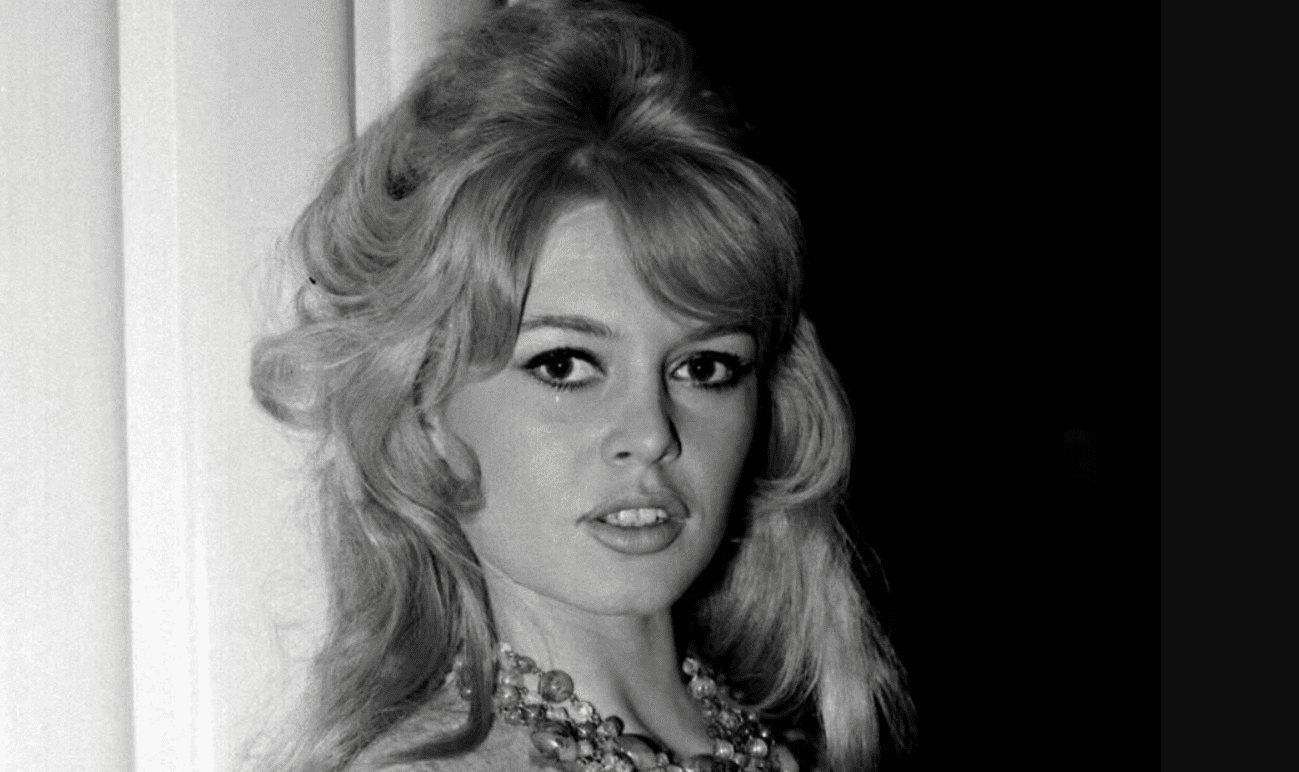
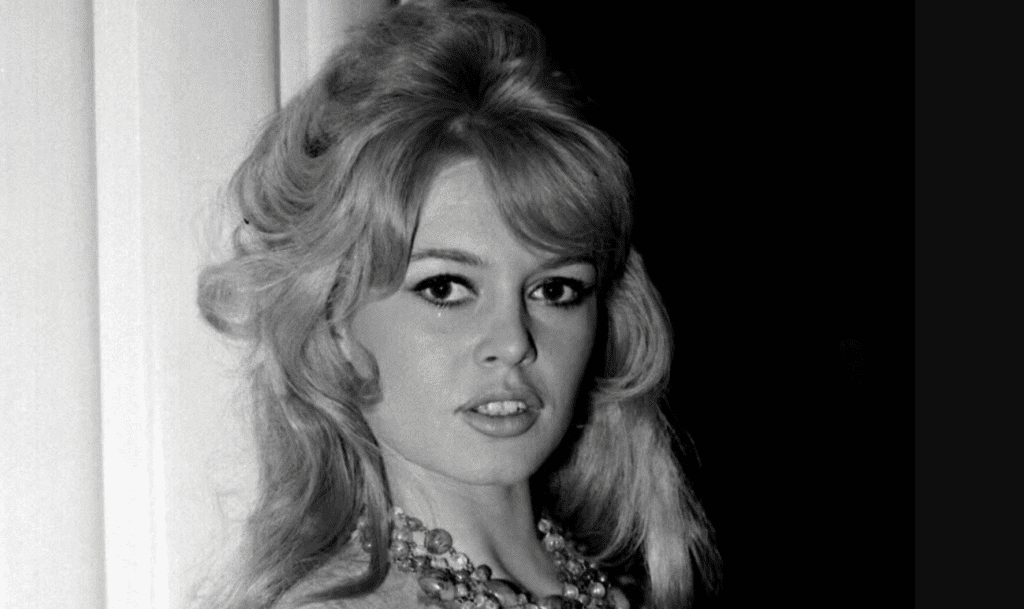
Brigitte Bardot dies aged 91, marking the end of one of the most influential and controversial lives in modern French culture. The French screen legend, singer, fashion muse, and later animal rights activist passed away at her home in Saint Tropez, confirmed by the Brigitte Bardot Foundation. Her death prompted an outpouring of tributes from political leaders, artists, and admirers across Europe and beyond.
French president Emmanuel Macron led the national response, describing Bardot as “a legend of the century” who embodied freedom, passion, and artistic daring.
Brigitte Bardot Dies Aged 91 and Leaves Behind a Global Legacy
Born in Paris in 1934, Brigitte Bardot rose from a conservative Catholic upbringing to become one of the most recognizable women of the 20th century. Her face, voice, and unapologetic independence reshaped cinema, fashion, and popular culture.
Her death at 91 closes a chapter on an era when French cinema captured the world’s imagination through bold storytelling and magnetic personalities.
Emmanuel Macron and World Leaders Pay Tribute
Reacting to the news, Emmanuel Macron wrote that France was mourning “a life of freedom.” He praised Bardot for her artistic brilliance, emotional intensity, and lifelong devotion to animal welfare.
Tributes also came from Italy’s political leadership and from figures aligned with the European far right, reflecting the complex and often divisive legacy Bardot carried in her later years.
From Ballet Student to International Film Star
Bardot’s journey began with classical ballet training at the Conservatoire de Paris. At the same time, her striking looks brought early modeling success, including a cover for Elle magazine at just 15.
That exposure opened the door to cinema and to Roger Vadim, whom she married in 1952. Her early film roles gained attention, but true stardom arrived soon after.
And God Created Woman Changed Everything
In 1956, Bardot stunned audiences in And God Created Woman, filmed in Saint Tropez and directed by Vadim. The film turned her into an international sensation almost overnight.
She became the symbol of liberated femininity, often described as cinema’s ultimate sex symbol of the era. Saint Tropez itself became globally famous through her image.
A Muse for Artists, Thinkers, and a Nation
Bardot’s influence extended far beyond film. Writers, philosophers, and musicians found inspiration in her presence and persona.
Simone de Beauvoir famously framed Bardot as a symbol of female emancipation in her 1959 essay Brigitte Bardot and the Lolita Syndrome. In 1969, Bardot became the first real life woman to model Marianne, the emblem of the French Republic.
A Golden Era of Cinema Roles
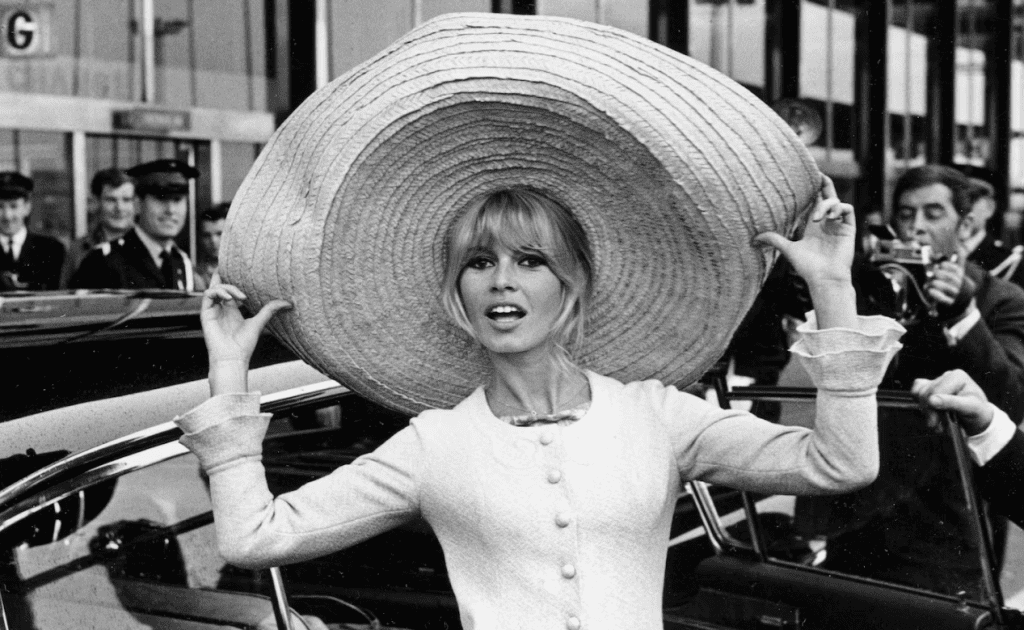
Throughout the 1960s, Bardot starred in a series of landmark films, including:
- The Truth by Henri Georges Clouzot
- Very Private Affair by Louis Malle
- Contempt by Jean Luc Godard
She also crossed into international cinema, appearing alongside Sean Connery and Jeanne Moreau, while maintaining her status as France’s most bankable star.
Music, Fame, and the Cost of Stardom
Alongside acting, Bardot pursued a music career. She recorded songs that became cult classics, including the original version of Je T’Aime… Moi Non Plus, written for her by Serge Gainsbourg.
Despite worldwide fame, Bardot struggled with celebrity life. She later admitted she never felt prepared for the pressure and scrutiny that followed her everywhere.
In 1973, at just 39, she retired from acting entirely.
A Life Devoted to Animal Rights
After leaving cinema, Bardot redirected her energy toward animal welfare. In 1986, she founded the Brigitte Bardot Foundation, which became one of Europe’s most vocal animal rights organizations.
She campaigned against seal hunting, dolphin killing, and the mistreatment of domestic animals worldwide. For many supporters, this chapter defined her most meaningful work.
Activism That Sparked Controversy
Bardot’s activism often overlapped with outspoken political views. Over time, she aligned herself with far right politics and made repeated inflammatory statements about immigration, Islam, and minority communities.
These remarks led to multiple convictions in French courts for inciting racial hatred between 1997 and 2008. The controversy deeply divided public opinion about her legacy.
Personal Life Marked by Passion and Turmoil
Bardot was married four times and had numerous high profile relationships. She had one son, Nicolas, born in 1960. Her personal life, much like her career, unfolded under intense media attention.
Despite her fame, Bardot spent her later years largely withdrawn from public life at La Madrague, her home in Saint Tropez.
Remembering Brigitte Bardot Today
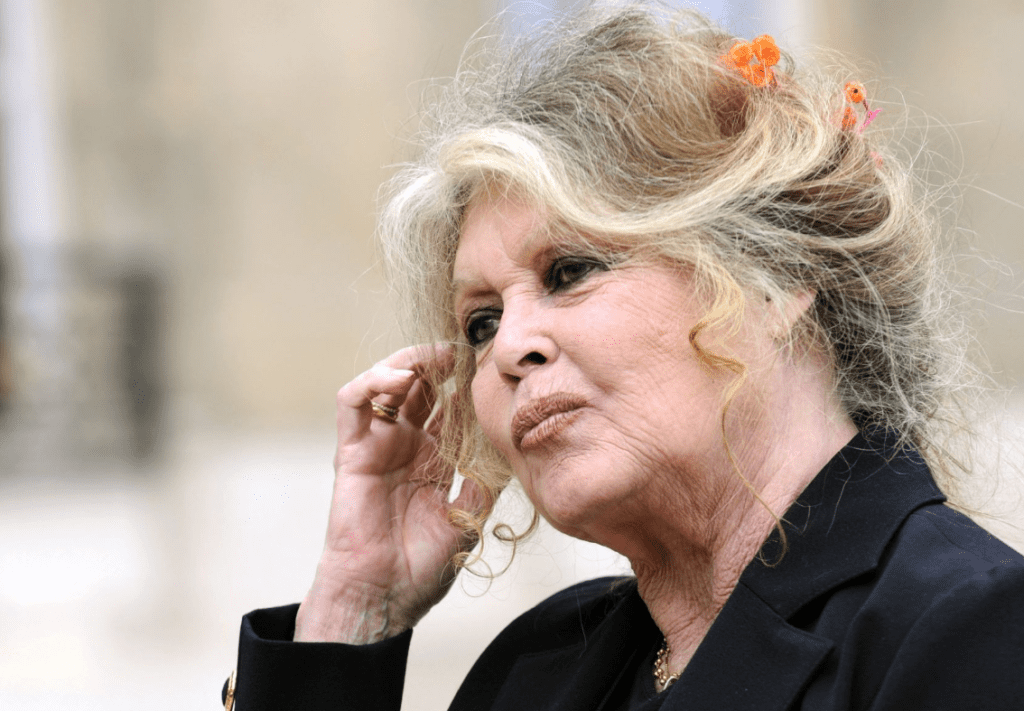
Brigitte Bardot dies aged 91, leaving behind a legacy that is both dazzling and deeply complex. She was a cinematic trailblazer, a fashion icon, an uncompromising activist, and a polarizing political figure.
Her life reflects the contradictions of fame, freedom, and conviction in the modern age. Long after the headlines fade, Bardot will remain one of France’s most powerful cultural symbols.







Comments are closed.