
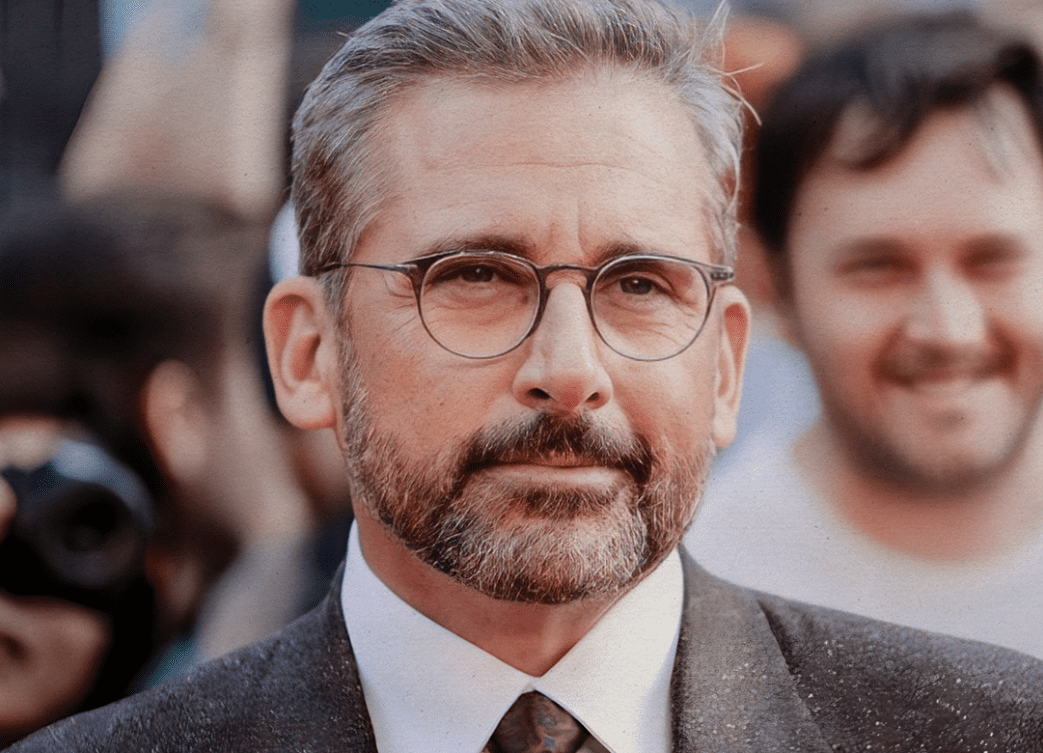
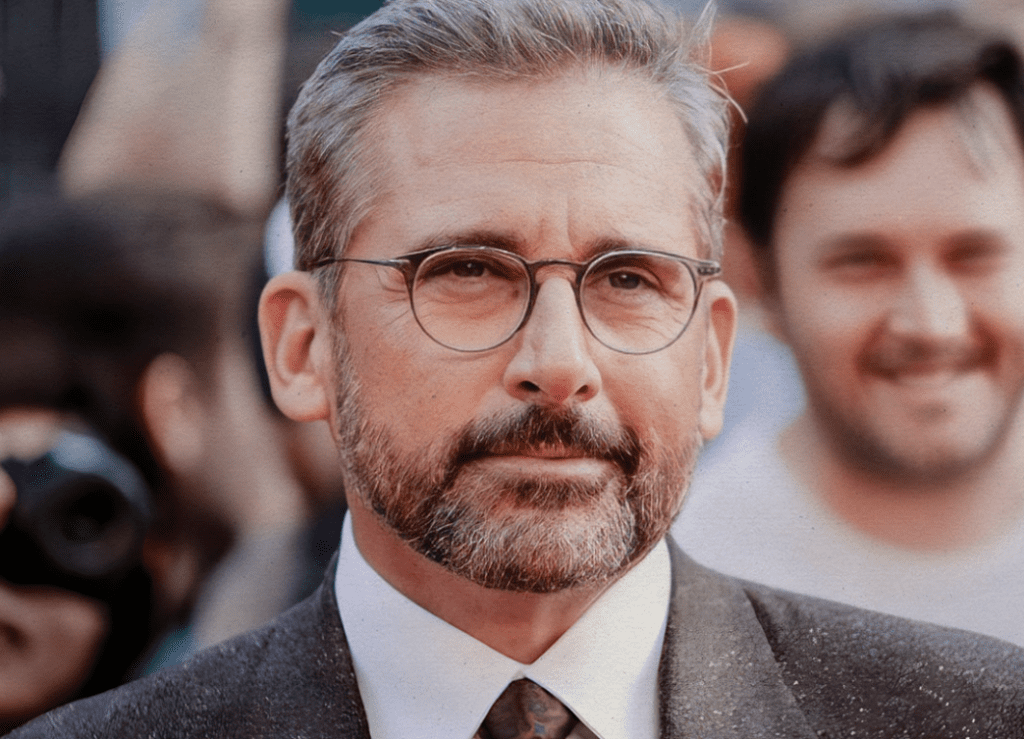
Steve Carell has become one of the most influential comedy actors of the 21st century, transforming the way audiences view awkwardness, vulnerability, and everyday characters. From his unforgettable performance as Michael Scott in The Office to his breakout role in The 40-Year-Old Virgin, Carell built a career by turning ordinary people into extraordinary comedic figures.

However, behind every great performer are the artists who inspired them. Throughout his career, Carell has openly celebrated the comedians and actors who shaped his approach to humor, storytelling, and performance. His biggest influences include some of the most creative minds in comedy history, from legendary satirists to fearless performers who changed the entertainment landscape.
The five comedy giants who shaped Steve Carell’s career reveal not only his personal influences but also the foundation behind his unique ability to mix laughter with emotional depth.
Steve Carell’s Comedy Legacy Was Built on More Than Jokes
Before becoming a household name, Steve Carell spent years developing his comedic style through improvisation, television, and character-driven performances. His time with The Daily Show helped introduce audiences to his sharp comedic instincts, but it was his collaboration with filmmaker Judd Apatow that pushed him into mainstream success.
Carell became one of the defining faces of the early 2000s comedy revival, a period that combined outrageous humor with realistic characters and emotional storytelling. His role as Brick Tamland in Anchorman: The Legend of Ron Burgundy showcased his ability to create unforgettable characters with only a few lines, while The 40-Year-Old Virgin proved he could carry a major comedy film with both humor and heart.
That balance would become the signature of Steve Carell’s comedy legacy.
The Office Changed Television Comedy Forever
How Steve Carell Redefined the Sitcom Boss
The role that changed Carell’s career forever arrived when he became Michael Scott in the American version of The Office. At first glance, Michael appeared to be an uncomfortable and self-centered manager, similar to the original British character David Brent.
Yet Carell brought something different to the role. Instead of making Michael purely irritating, he revealed the insecurity beneath the jokes. Michael was desperate for friendship, acceptance, and approval, which made audiences laugh at him while also caring about him.
This emotional complexity changed modern sitcom writing. The character became a blueprint for flawed but lovable personalities who could create awkward situations while remaining deeply human.
During its nine-season run, The Office became one of television’s most celebrated comedies, influencing countless shows that followed. Carell’s performance earned widespread recognition and helped establish him as one of the most important comedic actors of his generation.
Alan Arkin: The Actor Steve Carell Called an Idol
Among all of Steve Carell’s influences, few mattered more than Alan Arkin. The legendary performer, who passed away in 2023, enjoyed a career spanning more than seven decades and became known for his ability to combine intelligence, humor, and emotional honesty.
Carell worked with Arkin in several projects, including Little Miss Sunshine, Get Smart, and The Incredible Burt Wonderstone. Their collaborations gave Carell the opportunity to watch one of his personal heroes at work.
Carell once explained that Arkin was among his greatest comedic inspirations, placing him alongside Peter Sellers as one of the performers he admired most.
Arkin’s career represented the kind of longevity and versatility that Carell continues to pursue. He could deliver comedy with perfect timing while also bringing serious dramatic weight to roles such as his Oscar-winning performance in Argo.
For Carell, working with someone he admired for years was both exciting and overwhelming, proving how deeply influential Arkin remained.
The Genius of Mel Brooks and Steve Martin
Comedy Without Limits
Steve Carell has often credited legendary filmmaker and comedian Mel Brooks as one of the creative forces that shaped his understanding of comedy.
Brooks built a career by challenging conventions and turning traditional storytelling into something completely unpredictable. His fearless approach showed generations of comedians that humor could come from exaggeration, satire, and breaking expectations.
Carell also highlighted Steve Martin as a major influence. Martin’s stand-up performances and comedy albums changed how audiences understood the craft of humor. Instead of simply telling jokes, Martin experimented with language, performance, and absurdity.
That creative freedom connects closely with Carell’s own work. Whether playing an awkward office manager, an emotionally complicated businessman, or an animated supervillain, Carell has always relied on character choices rather than simple punchlines.
George Carlin and the Power of Observational Comedy
Another important influence on Steve Carell’s career was George Carlin. Known for his sharp observations and fearless social commentary, Carlin transformed stand-up comedy into a powerful form of cultural criticism.
While Carell’s style is often more character-based than traditional stand-up, Carlin’s influence can be seen in the way Carell approaches human behavior. His characters often expose uncomfortable truths about insecurity, ambition, relationships, and social expectations.
Carlin proved that comedy could do more than entertain. It could challenge audiences, reveal contradictions, and make people think.
Steve Carell’s Journey From Comedy Star to Dramatic Powerhouse
One of the most impressive parts of Carell’s career has been his ability to move beyond comedy. After becoming one of Hollywood’s biggest comedic actors, he successfully transitioned into dramatic roles that showcased his range.
His performance in Foxcatcher demonstrated a darker side of his acting ability, earning him major critical attention. He also appeared in The Big Short, a film that explored the financial crisis through a mix of drama, satire, and complicated real-world issues.
Later roles, including Beautiful Boy, further proved that Carell could deliver emotionally intense performances without losing the authenticity that made audiences connect with him.
This transition is one reason his career remains so respected. He did not leave comedy behind. Instead, he used the skills he developed through comedy to create more complex dramatic characters.
Conclusion
Steve Carell’s comedy legacy is the result of decades of inspiration, experimentation, and admiration for the artists who came before him. From Alan Arkin’s emotional honesty to George Carlin’s fearless observations and Steve Martin’s innovative style, each influence helped shape the performer audiences know today.
Carell changed modern comedy by proving that humor works best when characters feel real. His greatest performances are not memorable simply because they are funny, but because they reveal something human beneath the laughter.
The comedy giants who inspired Steve Carell helped create an actor who continues to redefine what a modern entertainer can be.







Comments are closed.