
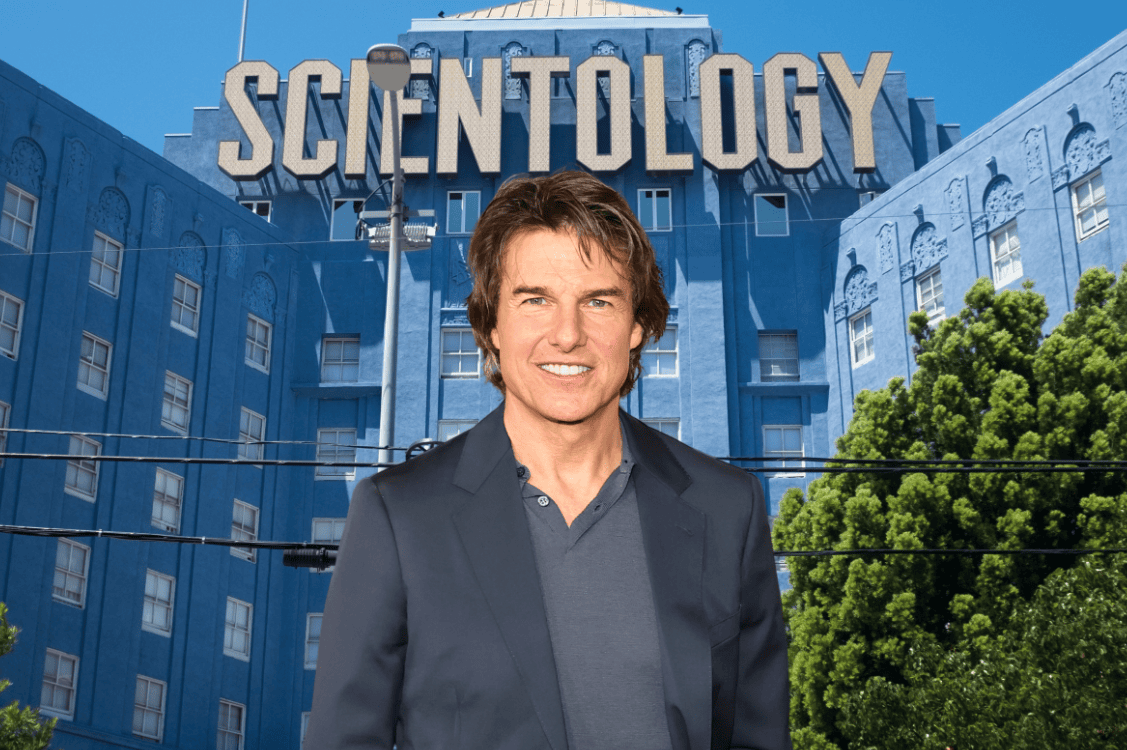
Few actors have remained at the very top of Hollywood for more than four decades, but Tom Cruise has done exactly that. In an era where streaming dominates and franchises constantly evolve, Cruise continues to prove that true movie stars still exist. Whether sprinting across rooftops, hanging from airplanes, climbing the world’s tallest buildings, or performing motorcycle jumps off towering cliffs, he has built a reputation as one of the most fearless actors in cinema history.
From Top Gun and Rain Man to Jerry Maguire, The Last Samurai, and the billion-dollar Mission: Impossible franchise, Cruise has repeatedly reinvented himself while maintaining one thing audiences have come to expect: complete commitment. His refusal to rely heavily on stunt doubles and his obsession with practical effects have helped revive theatrical blockbusters at a time when many questioned whether the traditional movie star still mattered.
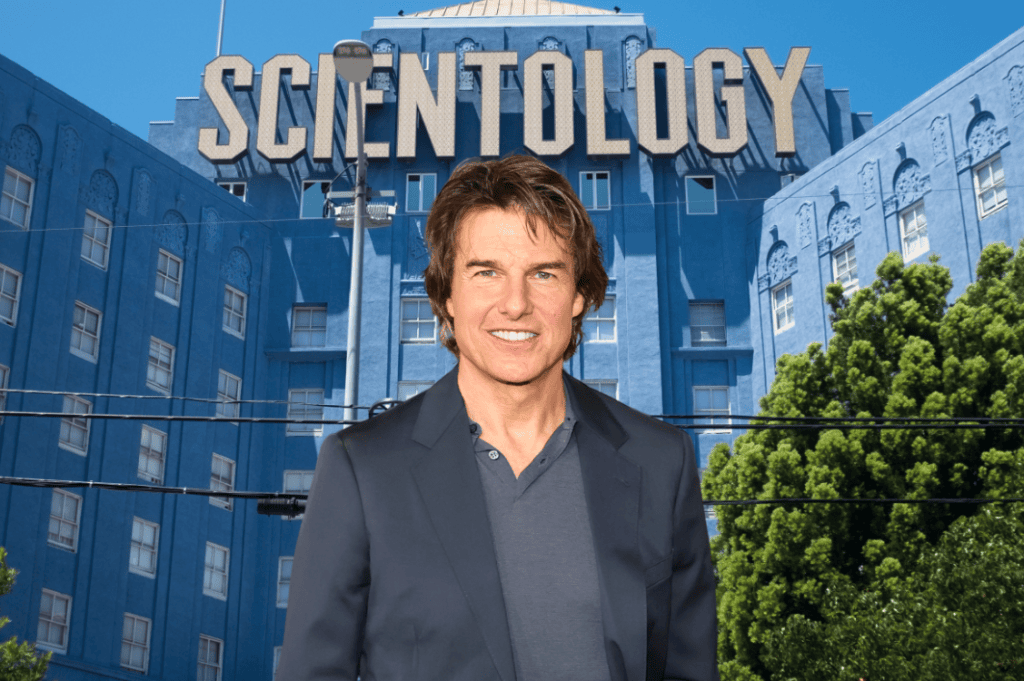
But while his film career has earned universal admiration, another part of his life has remained impossible to separate from his public image—his decades-long relationship with the Church of Scientology.
Hollywood’s Most Famous Scientologist
Tom Cruise joined the Church of Scientology in 1986 after being introduced to the organization by his first wife, actress Mimi Rogers. What began as a personal decision soon became one of the most discussed celebrity affiliations in modern entertainment.
Unlike many high-profile members who quietly practiced their beliefs, Cruise became Scientology’s most recognizable ambassador. He frequently credited the church with helping him overcome dyslexia, praised its teachings in interviews, and became one of its most influential public supporters. Over time, he also developed a close relationship with Scientology leader David Miscavige, with whom he has reportedly maintained a friendship spanning decades.
His commitment elevated him beyond celebrity status within the organization. Former Scientologists have claimed that Cruise is treated as one of the church’s most important members, with extraordinary influence and special privileges. The Church of Scientology has denied numerous allegations made by former members, and Cruise himself has rarely responded publicly to these claims.
The Interviews That Changed Everything
During the mid-2000s, Cruise’s outspoken defense of Scientology dominated headlines around the world.
One of the most unforgettable moments came during his appearance on The Oprah Winfrey Show, where his enthusiastic celebration of his relationship with Katie Holmes—including the now-famous couch-jumping moment—became an instant pop culture phenomenon.
Soon after, Cruise sparked even greater controversy during a televised interview with Matt Lauer. The actor criticized psychiatry and antidepressant medication while discussing actress Brooke Shields’ treatment for postpartum depression. The exchange generated intense public debate, with many medical professionals, journalists, and viewers criticizing Cruise’s comments.
For many observers, these interviews shifted attention away from his extraordinary acting career and placed his religious beliefs at the center of public conversation.
A Strategic Shift
Following years of media scrutiny, Cruise gradually changed his public approach.
Rather than discussing Scientology in interviews, he began allowing his work to speak for itself. Public appearances became increasingly focused on filmmaking, practical stunts, and celebrating the theatrical movie experience instead of personal beliefs.
Industry observers often describe this as one of Hollywood’s most successful image resets. While Cruise still attends major Scientology events and remains closely associated with the organization, he rarely addresses it publicly anymore.
Instead, audiences see him promoting the next impossible stunt, the next ambitious action sequence, or the next Mission: Impossible installment.
The Last True Movie Star
Regardless of public opinion about Scientology, Cruise’s influence on modern cinema is difficult to overstate.
He has become synonymous with blockbuster filmmaking, helping revive theaters following the pandemic through the massive success of Top Gun: Maverick. Directors frequently praise his relentless professionalism, while co-stars describe his preparation and discipline as unmatched.
Unlike many actors who rely heavily on visual effects, Cruise insists on performing many of the dangerous sequences himself—from scaling the Burj Khalifa to clinging to the side of a flying aircraft and piloting helicopters for his films. That willingness to push physical limits has become part of his brand and continues to distinguish him from nearly every other leading actor.
A Legacy Defined by Triumph and Controversy
Tom Cruise occupies a unique place in entertainment history. He is simultaneously one of Hollywood’s greatest action stars, one of the industry’s most dedicated performers, and one of its most controversial public figures.
His extraordinary filmography has inspired generations of actors and filmmakers, while his connection to Scientology continues to generate headlines decades after he first joined the organization.
Whether audiences admire his fearless commitment to cinema, question his religious affiliations, or simply enjoy watching him accomplish seemingly impossible feats on screen, one thing remains undeniable: Tom Cruise continues to define what it means to be a global movie icon.
Very few stars can command worldwide attention with every new release. Even fewer can remain culturally relevant for more than forty years. Love him or criticize him, Tom Cruise has achieved both—and his story is far from over.







Comments are closed.