
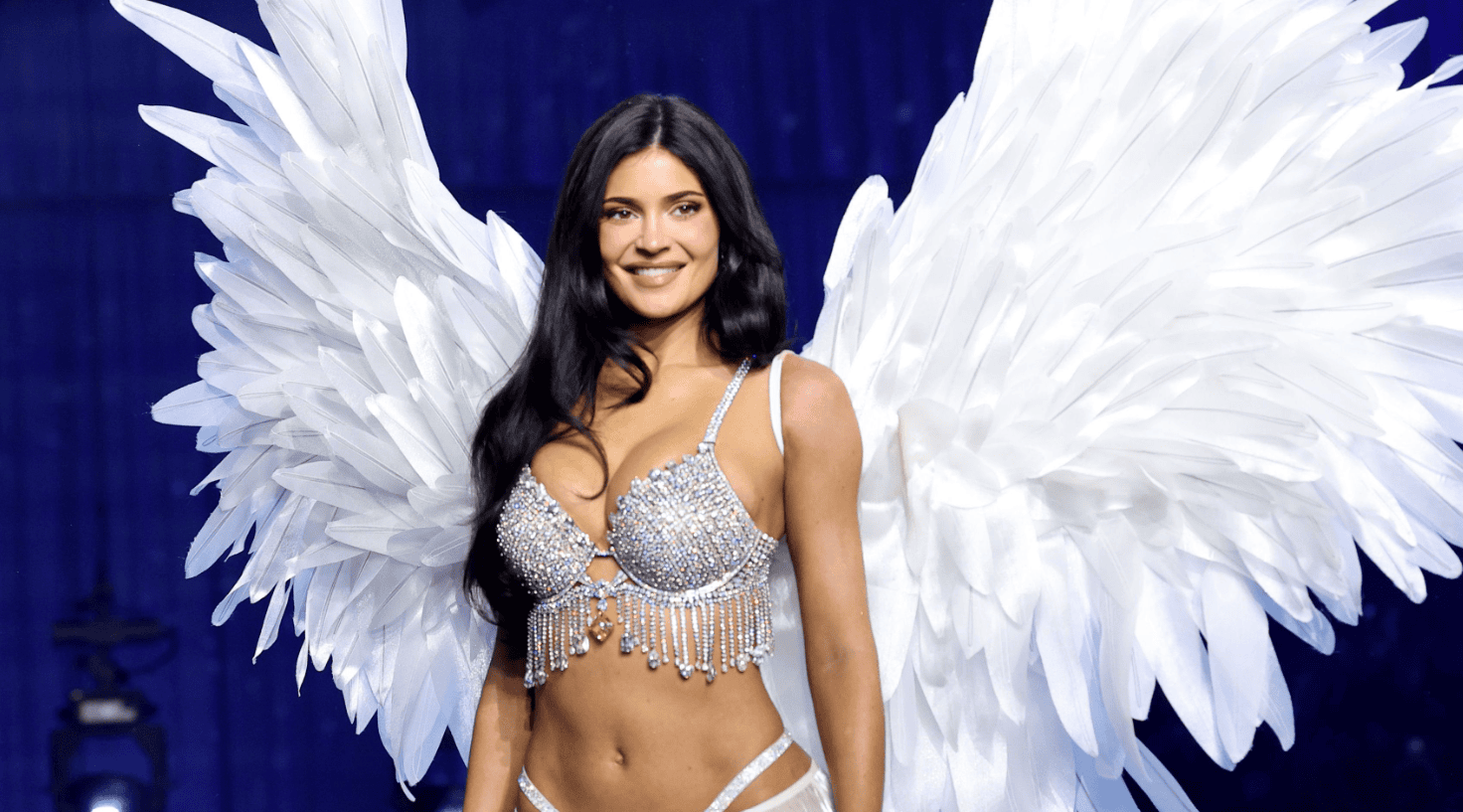
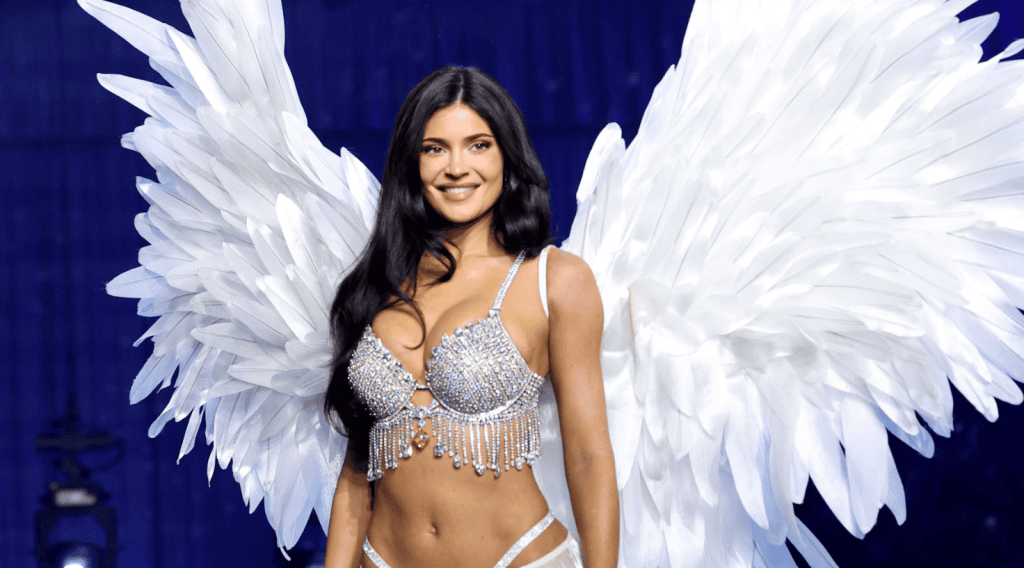
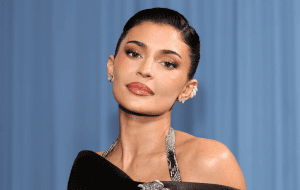
Kylie Jenner’s Victoria’s Secret runway debut has sparked a heated debate about celebrity influence, fashion standards and the future of the iconic lingerie brand. The reality television star stepped onto the catwalk on October 18, 2026, wearing the brand’s celebrated Fantasy Bra, but her high-profile appearance has drawn sharp criticism from America’s Next Top Model winner Adrianne Curry.
Curry, who rose to fame after winning the first season of America’s Next Top Model, criticized Victoria’s Secret for selecting Jenner to wear the extravagant piece. In a YouTube livestream on October 20, she argued that the brand had abandoned the exclusivity that once defined its runway shows.
Her comments have added another layer to the conversation surrounding Victoria’s Secret’s evolving approach to fashion entertainment, celebrity partnerships and representation.
Adrianne Curry Criticizes Kylie Jenner’s Victoria’s Secret Debut
Jenner’s first appearance at the Victoria’s Secret Fashion Show was one of the event’s most talked-about moments. At 29, the beauty entrepreneur and reality television personality brought her considerable celebrity following to a runway traditionally associated with some of the fashion industry’s most recognizable models.
However, Curry was far from impressed with the casting decision.
During her livestream, she questioned the brand’s selection process and argued that appearing in the show no longer carried the same prestige it once did.
“They have no standards anymore and it’s a joke. Anyone can walk in it,” Curry said, expressing her frustration with the direction of the brand.
She also criticized Victoria’s Secret for choosing celebrities and models she believes do not fit the standards historically associated with its runway.
Curry’s remarks reflect a wider debate about whether major fashion shows should prioritize established modeling credentials or embrace personalities whose influence extends beyond the industry.
For Victoria’s Secret, the decision to feature Jenner appears to have been driven partly by her cultural reach. For Curry, however, the casting represents a departure from the exclusivity that once made the show a coveted opportunity for professional models.
Why Kylie Jenner Was Chosen to Wear the $50 Million Fantasy Bra
The Fantasy Bra has long been one of Victoria’s Secret’s most recognizable showpieces. Historically, the elaborate designs have been worn by prominent models, including Gisele Bündchen, Heidi Klum and Tyra Banks.
This year’s version was reportedly valued at $50 million and required more than 1,000 hours to create. Its extraordinary price and craftsmanship made the piece a headline attraction, placing additional attention on the person selected to wear it.
Jenner’s appearance therefore represented more than a runway debut. It connected a highly publicized luxury fashion item with one of the most recognizable figures in contemporary celebrity culture.
Victoria’s Secret Explains Its Casting Decision
Victoria’s Secret chief creative officer Adam Selman defended the decision in an interview with Vogue, explaining that Jenner’s influence reaches well beyond traditional fashion.
Selman described her as someone whose presence extends across entertainment, popular culture and television. He argued that her ability to attract attention aligned with the scale and entertainment-driven nature of the Victoria’s Secret show.
He also characterized the pairing as an opportunity to combine an iconic fashion moment with an unexpected personality who commands a substantial audience.
The explanation highlights an important shift in fashion marketing. Major brands increasingly consider a person’s cultural relevance, social media presence and ability to engage audiences alongside traditional industry credentials.
Jenner has built a business and public profile that extends across beauty, fashion and entertainment. Her participation gives Victoria’s Secret access to audiences who might follow her career without regularly engaging with professional runway modeling.
That strategy can generate significant attention, although it also invites questions about how brands balance celebrity appeal with the expertise and experience of professional models.
Curry Argues Victoria’s Secret Has Lost Its Former Prestige
Beyond her criticism of Jenner, Curry questioned the broader direction of Victoria’s Secret.
She argued that the brand’s runway shows once represented an elite level of modeling, invoking the careers of Naomi Campbell and Cindy Crawford as examples of the stature she associates with the industry’s earlier era.
In her view, appearing on the Victoria’s Secret runway before 2008 carried a particular significance because the show was closely associated with established supermodels.
Curry believes the current approach has weakened that distinction, making the opportunity less exclusive than it once was.
Her comments reflect a nostalgic view of the fashion industry, when a relatively small group of internationally recognized models dominated major campaigns and runway events.
However, the industry has changed considerably since then. Fashion brands now operate in an environment shaped by social media, global celebrity culture, digital marketing and demands for broader representation.
The Victoria’s Secret Fashion Show itself has evolved alongside those changes, with the brand seeking to maintain its visibility while appealing to contemporary audiences.
Whether that evolution strengthens or diminishes the show’s prestige depends partly on what viewers expect it to represent: a showcase for elite modeling talent, a major entertainment production or a combination of both.
Alex Consani’s Appearance Adds to the Fashion Debate
Jenner was not the only figure to attract attention at this year’s show. Transgender model Alex Consani also appeared on the runway, adding to the event’s broader conversation about representation in the fashion industry.
Consani has walked for major fashion houses, including Tom Ford, Chanel, Versace and Stella McCartney.
Curry referenced the brand’s inclusion of a transgender model in her criticism, grouping that decision with her objections to Jenner’s casting. Her comments have consequently brought questions of representation into a debate that also concerns celebrity influence and traditional modeling standards.
These issues are related but distinct. Discussions about a model’s professional experience, a celebrity’s commercial influence and the inclusion of different identities involve different considerations.
Consani’s established runway work also illustrates why representation should not automatically be treated as the opposite of professional modeling credentials.
For fashion brands, the challenge is to build shows that reflect contemporary audiences while maintaining a clear creative identity. That can involve established supermodels, emerging talent, celebrities and performers, although the balance will not satisfy every viewer.
Celebrity Influence Continues to Reshape Fashion Shows
Jenner’s Victoria’s Secret debut illustrates how the relationship between fashion and celebrity culture continues to develop.
In previous decades, a model’s runway appearances and editorial work often played a central role in establishing her public reputation. Today, celebrities can arrive with global audiences already built through television, business ventures and social media.
For brands, those audiences can provide valuable exposure. A celebrity appearance can generate headlines, online discussion and attention that extends well beyond the people watching the runway in person.
However, commercial visibility does not necessarily resolve questions about artistic direction or professional standards.
Curry’s reaction demonstrates how these casting decisions can divide audiences, particularly those who associate established fashion shows with a specific tradition of modeling excellence.
At the same time, Selman’s explanation suggests that Victoria’s Secret sees entertainment and cultural influence as central to the show’s modern identity.
The debate ultimately reflects a larger question facing fashion companies: should a major runway event preserve the standards that built its reputation, adapt to changing cultural expectations or attempt to do both?
Kylie Jenner’s Runway Debut Leaves Victoria’s Secret Facing Questions
Kylie Jenner’s first Victoria’s Secret runway appearance has become a talking point not only because of the reported $50 million Fantasy Bra, but also because it highlights competing ideas about what the brand should represent.
Adrianne Curry’s criticism reflects concerns about exclusivity and the traditional status of professional models, while Victoria’s Secret has defended Jenner’s selection by emphasizing her cultural influence and ability to attract a broad audience.
Both perspectives reveal the challenges of maintaining an established fashion identity in an industry increasingly shaped by celebrity culture and digital reach.
Whether audiences view Jenner’s casting as a smart entertainment decision or a departure from the brand’s modeling heritage, the reaction demonstrates that Victoria’s Secret’s runway choices remain capable of generating substantial discussion.
The larger question is whether the brand can balance its history with its modern ambitions while continuing to make the show relevant to a changing global audience.








Comments are closed.