
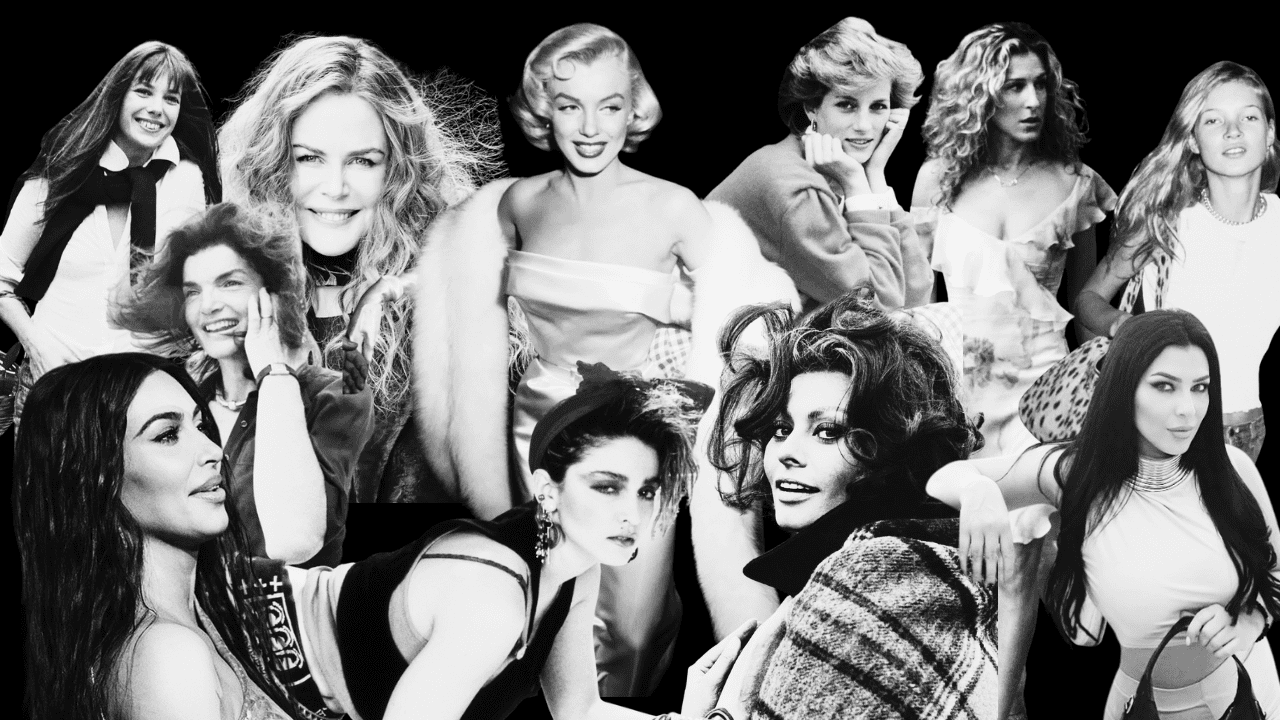
In a world saturated with images, names, and constant exposure, the concept of an “icon” has changed fundamentally. Fame is no longer rare, visibility is no longer earned slowly, and attention is no longer guaranteed to last. Yet, despite this overload, certain individuals continue to stand out — not as trends, but as enduring presences. These are the modern icons.
An icon today is not defined by perfection, popularity, or numbers alone. True iconic status is built at the intersection of identity, consistency, and influence. It is not about being everywhere, but about being unmistakable.
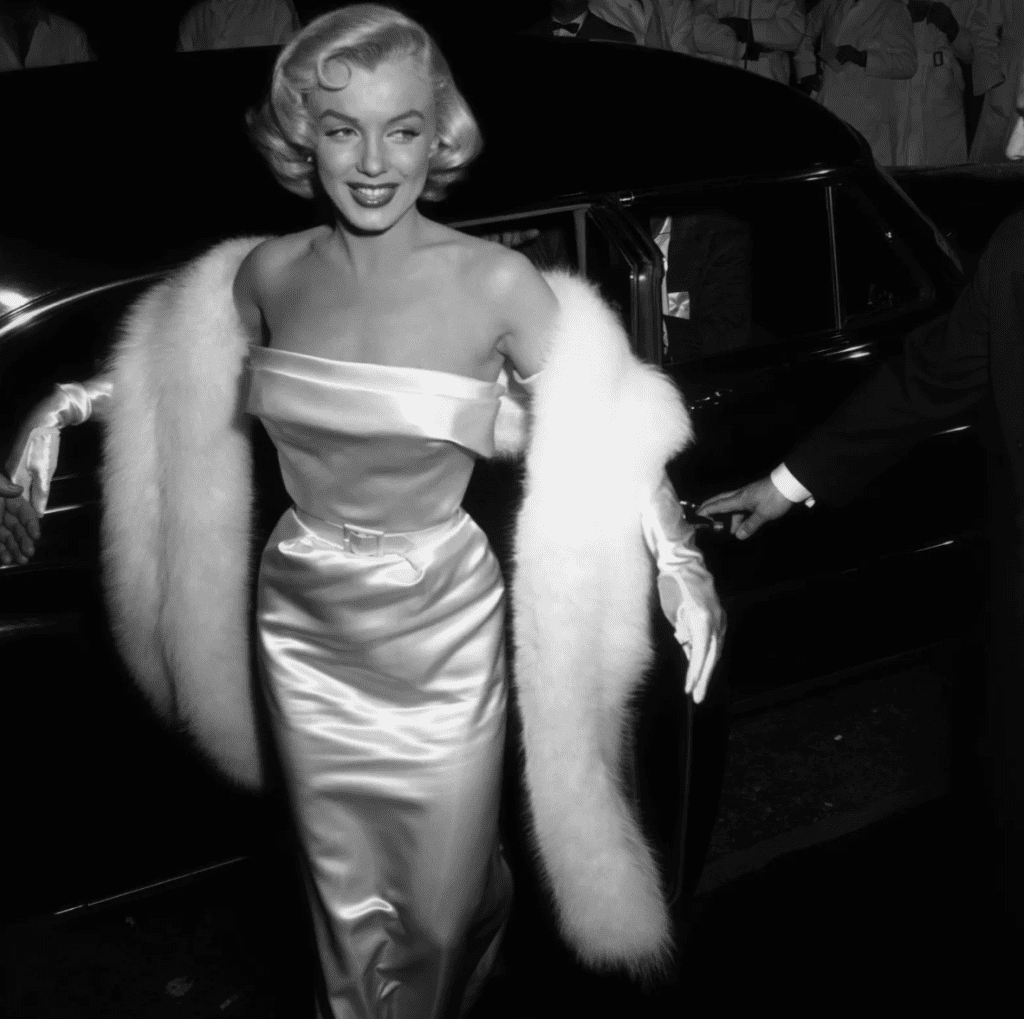
Merlin Monroe – (Image credit: Getty Images)
Beyond Visibility: Identity as Foundation
The digital age has made visibility accessible to millions. Anyone can be seen, but very few are remembered. What separates an icon from a public figure is a clearly defined identity. Icons do not adapt their core to every trend; instead, trends often form around them.

Nicole Kidman (Image credit: Getty Images)
A strong identity is not a costume. It is a long-term narrative expressed through choices — how one speaks, creates, dresses, collaborates, and positions themselves in the world. Icons are recognizable even without context, because their presence carries coherence.

Sophia Loren (Image credit: Getty Images)
Influence Is Not Attention
Attention is fleeting. Influence is cumulative.
Icons do not rely on viral moments alone. They shape conversations, shift aesthetics, and inspire imitation without actively demanding it. Their impact is felt across industries — culture, fashion, music, business, or social movements — often simultaneously.

Princess Diana (Image credit: Getty Images)
What makes this influence powerful is restraint. Icons rarely explain themselves excessively. They allow space for interpretation, which deepens fascination and longevity.
The Power of Consistency
Consistency is often misunderstood as repetition. In reality, it is alignment. Icons evolve, but their evolution feels intentional, not reactive. Their growth appears natural because it is anchored in values rather than algorithms.

Sarah Jessica Parker (Image credit: Getty Images)
In the digital era, where reinvention is often driven by metrics, iconic figures remain guided by vision. This is why their audience grows with them instead of replacing them.
Image as Message
In modern culture, image is language. For an icon, every visual element communicates meaning — posture, expression, composition, and silence included. This is why iconic imagery rarely feels accidental.

Kate Moss (Image credit: Getty Images)
An icon’s image does not seek validation. It invites recognition.
This is also why photography plays a crucial role in building iconic presence. A single strong image can communicate authority, confidence, and narrative more effectively than thousands of words.
Legacy Over Popularity
Perhaps the most important distinction is time. Popularity peaks quickly and fades just as fast. Iconic presence compounds.
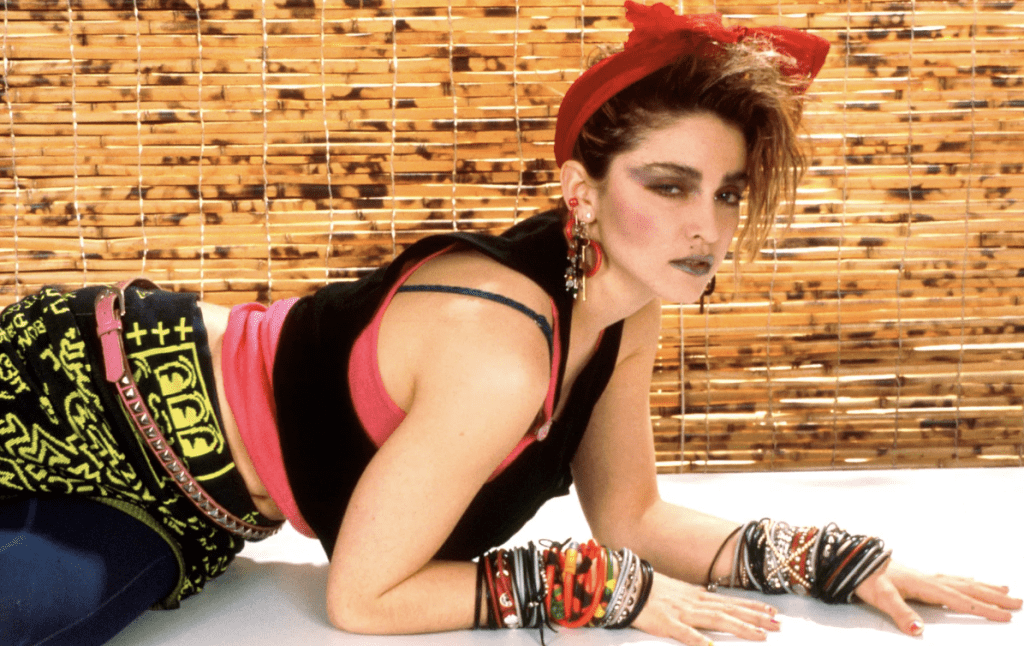
Madona (Image credit: Getty Images)
Icons are referenced, not just followed. Their work becomes part of a larger cultural memory. Even absence strengthens their relevance.
In an era obsessed with speed, icons move deliberately. They understand that legacy is built not by constant noise, but by meaningful presence.

Jane Birkin (Image credit: Getty Images)
The Modern Icon
Today’s icon is not untouchable or distant. They are visible yet selective, expressive yet controlled, contemporary yet timeless. They do not chase relevance — they define it.
In a digital world that rewards immediacy, becoming an icon requires patience, discipline, and self-awareness. It is not about being liked by everyone, but about being unmistakably oneself.

Monika Ilieva (Image credit: Getty Images)
#IconicTimes #LifestyleMagazine #ModernCulture #IconsOfToday #CulturalInfluence #Editorial #InnerBalance #SelfReflection #ContemporaryIcons









Comments are closed.