
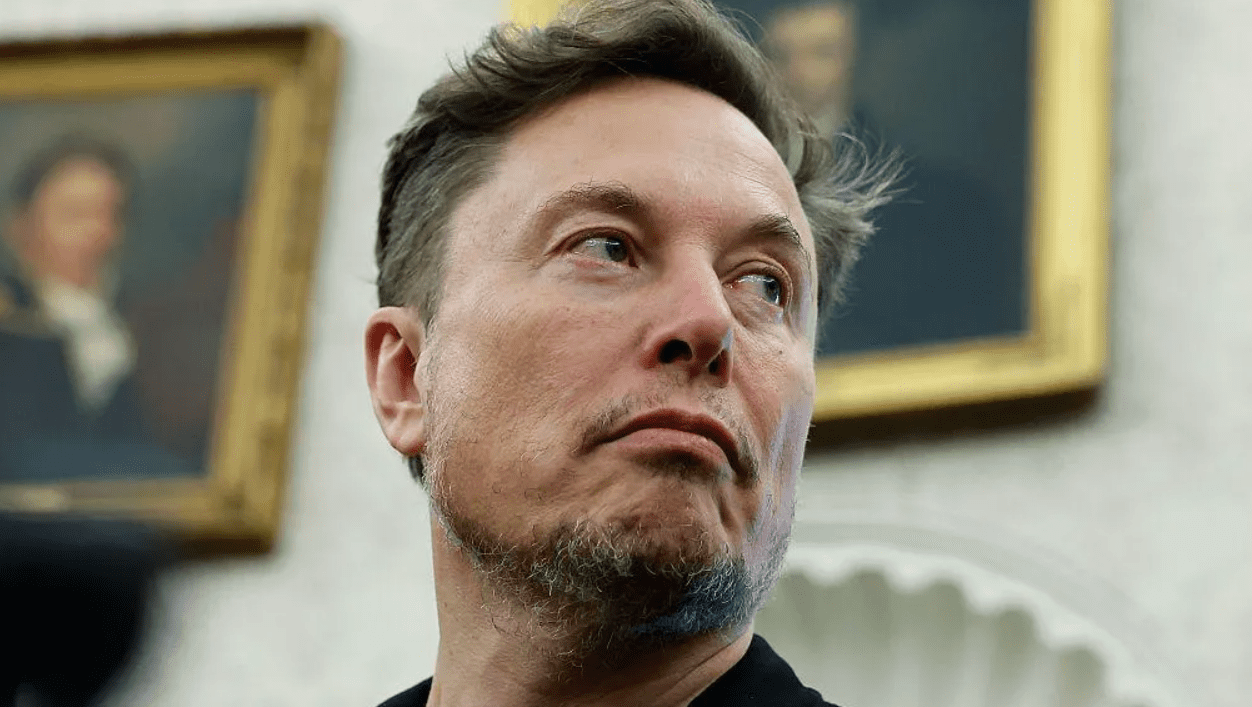
Elon Musk is not just the richest person on Earth. He is one of the most polarizing, ambitious and disruptive figures of the 21st century. From selling homemade chocolate as a child to building companies worth more than a trillion dollars, Musk’s rise has reshaped industries and ignited global debate.
So how did Elon Musk become an icon? The answer lies in risk, resilience, controversy and an almost obsessive belief in the future.
The Early Years: Where Elon Musk’s Iconic Path Began
Elon Musk was born in Pretoria, South Africa. From an early age, he displayed both entrepreneurial drive and technical brilliance. At just 12 years old, he created and sold a computer game. Before that, he went door to door selling homemade Easter eggs with his brother.
However, his childhood was not easy. Musk has spoken openly about bullying, his parents’ divorce and struggles related to Asperger’s Syndrome. Yet adversity seemed to sharpen his determination rather than weaken it.
As soon as he could, he left South Africa. He moved to Canada and later to the United States. At the University of Pennsylvania, he studied economics and physics. Even then, peers described him as intensely competitive and unwilling to accept limits.
This mindset would soon define his career.
The Dotcom Gamble That Changed Everything
Musk’s fortune began during the dotcom boom of the 1990s. After briefly enrolling in a graduate physics program at Stanford, he dropped out within days to pursue business opportunities.
First, he launched a web software company. Then he co founded an online banking platform that later became PayPal. In 2002, eBay acquired PayPal for $1.5 billion.
Instead of retiring young, Musk reinvested almost everything.
That decision changed the course of modern technology.
Tesla and SpaceX: Reinventing Two Industries
After PayPal, Musk poured his wealth into two high risk ventures: SpaceX and Tesla.
SpaceX: Betting on the Impossible
Founded with the goal of reducing space travel costs, SpaceX initially faced repeated rocket failures. At several points, the company hovered near bankruptcy.
Yet Musk persisted.
Today, SpaceX is one of the most valuable private companies in the world. It partners with NASA and launches reusable rockets. More recently, Musk merged SpaceX with his artificial intelligence company xAI, creating what is now considered the most valuable private tech powerhouse globally.
His ambition is clear. He wants humanity to become multi planetary.
Tesla: Accelerating the Electric Revolution
Meanwhile, Tesla disrupted the global automotive industry. When Musk became chief executive in 2008, electric vehicles were seen as niche products.
Tesla changed that perception.
The company helped push electric cars into the mainstream and forced legacy automakers to rethink their strategies. In October 2025, Musk became the first person in history to surpass a net worth of $500 billion. Shortly after, Tesla shareholders approved a record breaking pay deal that could exceed $1 trillion if ambitious targets are met.
Those targets include massive growth in company valuation and the sale of millions of vehicles and AI powered robots.
This is how Elon Musk became an icon in business. He repeatedly bet everything on the future.
X, AI and the Vision of an Everything App
In 2022, Musk bought Twitter for $44 billion and rebranded it as X. He cut staff dramatically, introduced subscription models and announced plans to transform it into an everything app.
However, the transition sparked controversy. Advertisers left. Critics raised concerns about rising hate speech. The platform’s valuation dropped sharply.
Still, Musk pressed forward.
At the same time, he expanded into artificial intelligence. Although he was an early investor in OpenAI, he later distanced himself and launched his own venture, xAI, in 2023. He even pursued legal action against OpenAI leadership, claiming the company had abandoned its founding principles.
Through these moves, Musk positioned himself at the center of the AI arms race.
He warns about artificial intelligence risks. Yet he also builds the very systems he fears.
That contradiction defines much of his public image.
Political Power and Public Fallout
For years, Musk described himself as politically moderate. He voted for Democratic candidates in the past and avoided strict labels.
However, his stance shifted dramatically.
In 2024, he endorsed Donald Trump’s presidential campaign and became one of its most influential backers. After the election, Musk was appointed to lead a new Department of Government Efficiency initiative.
The partnership did not last.
A public feud erupted between the two billionaires over policy disagreements. Personal attacks followed across social media platforms. Eventually, Musk stepped away from his government role, and the relationship collapsed in spectacular fashion.
His political involvement had consequences. Analysts linked falling Tesla sales in 2025 partly to consumer backlash over his political statements.
Nevertheless, Musk continues to use X as a direct channel to millions of followers worldwide.
Elon Musk Net Worth and the Billion Dollar Milestones
Understanding how Elon Musk became an icon requires examining his extraordinary wealth.
In October 2025, he became the first individual to surpass a net worth of $500 billion. Estimates have since placed his wealth at around $670 billion, far ahead of other tech titans.
Furthermore, Tesla’s board approved a compensation package that could exceed $1 trillion if specific long term goals are achieved. A legal battle over a previous $56 billion pay deal also made headlines, with a judge calling the amount “unfathomable.”
Despite legal challenges and market swings, Musk remains the world’s richest person.
Yet he insists money is not the ultimate goal.
Beyond Business: Family, Philanthropy and Controversy
Musk has fathered 14 children with multiple partners. He frequently speaks about declining birth rates and has described population collapse as a major risk to civilization.
He also claims his companies are forms of philanthropy. Tesla addresses climate change. SpaceX aims to secure humanity’s future beyond Earth. Neuralink explores brain chip technology. The Boring Company develops tunneling solutions.
At the same time, critics accuse him of fostering division, spreading misinformation and prioritizing ego over accountability.
Biographers have described him as brilliant yet confrontational. Supporters call him visionary. Detractors call him reckless.
Both views contribute to his legend.
How Elon Musk Became an Icon in the Modern Era
So what truly explains his rise?
First, Musk embraces extreme risk. He reinvests profits rather than protecting them.
Second, he thinks long term. While others optimize quarterly earnings, he talks about Mars colonization and artificial intelligence.
Third, he thrives on attention. Whether praised or criticized, he remains at the center of global conversation.
Finally, he refuses to follow conventional paths.
That combination has made him both admired and controversial. Yet it has undeniably shaped industries from space to automotive to artificial intelligence.
Conclusion: The Unfinished Legacy of Elon Musk
Elon Musk’s journey from Pretoria to becoming the first half trillion dollar individual is nothing short of extraordinary. He has transformed transportation, reignited the space race and reshaped digital communication.
However, his story is still unfolding.
Will he become the world’s first trillionaire? Will his AI ambitions redefine humanity? Or will controversy overshadow achievement?
One thing is certain. The iconic path of Elon Musk is far from over, and the world continues to watch every bold move.













Comments are closed.