
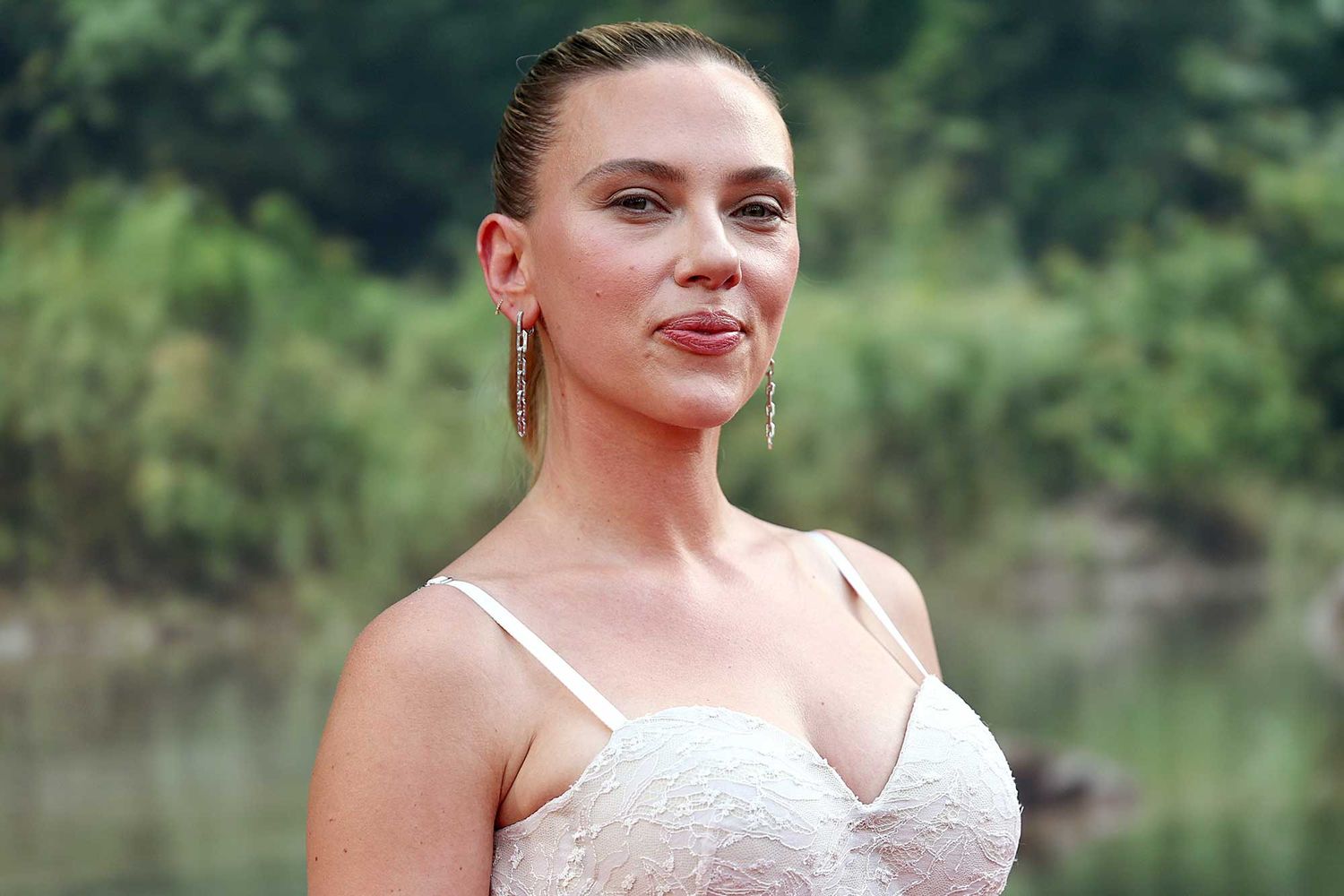
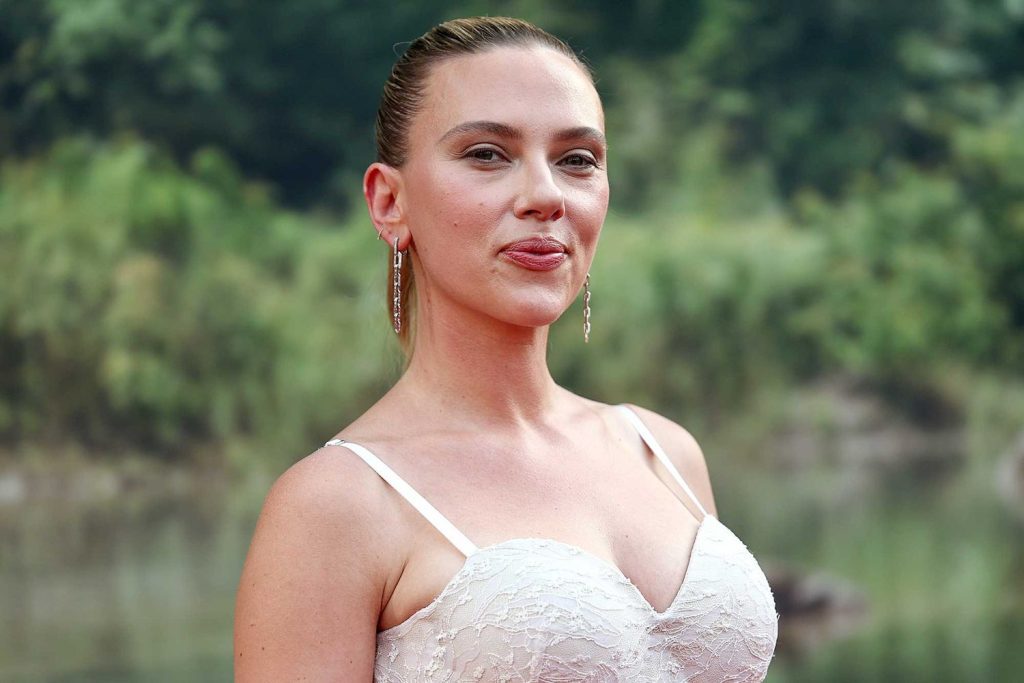
Scarlett Johansson is stepping into a new role as Hyundai’s brand voice, lending her unmistakable presence to a campaign built around resilience, hope and the extraordinary courage of children fighting cancer.
Scarlett Johansson has spent her career mastering the art of transformation.
Actress. Producer. Director. Hollywood icon.
Now she is adding another title to that evolving creative identity: the voice behind Hyundai’s latest national campaign.
Johansson makes her debut as Hyundai’s new brand voice with Little Warrior, a cinematic film created for Hyundai Hope on Wheels and its wider The Mark of a Warrior campaign. The initiative shines a spotlight on children facing cancer while celebrating the families, medical professionals and communities standing beside them.
Rather than simply placing a celebrity at the centre of a commercial, Hyundai has positioned Johansson as the narrator of a story about courage.
And that distinction matters.
A Voice for the Young Warriors
Little Warrior focuses on the emotional strength of children undergoing cancer treatment, using the symbolism of the handprint — a longstanding part of Hyundai Hope on Wheels — as a representation of resilience and hope.
Johansson’s narration brings the campaign its cinematic quality, transforming what could have been a conventional awareness advertisement into a more intimate story about the psychological strength required to face childhood cancer.
The campaign arrives during National Childhood Cancer Awareness Month and will extend across television, streaming, digital and social platforms.
The 60-second hero film and a shorter 30-second version are scheduled to reach audiences beginning September 9, with placements surrounding the opening game of the professional football season.
But the campaign extends far beyond the screen.
Turning Hospital Gowns Into Armor
One of its most personal elements is the transformation of traditional hospital gowns into what Hyundai calls “Warrior Gowns.”
Created in collaboration with Brave Gowns, the designs draw inspiration from armor, giving young patients something intended to make them feel stronger and more empowered when entering treatment.
The concept emerged from conversations with childhood cancer patients and survivors.
The insight was simple but powerful: hospital environments can make children feel vulnerable. The clothing they wear during treatment can reinforce that feeling.
Hyundai and its partners instead wanted to give children something that symbolized strength.
Nine warrior-inspired designs were created with input from young ambassadors, with thousands of gowns already being distributed to hospitals.
More than 6,000 gowns are expected to reach hospitals through 2026.
The gesture is small compared with the enormity of childhood cancer.
Its emotional impact, however, is precisely the point.
From Awareness to Participation
Hyundai’s campaign is also designed to turn awareness into action.
Through Warrior Rallies at sporting events, community activations and partnerships across entertainment and media, the company is building a national platform around the young people at the heart of the initiative.
The Miles for the Warriors Challenge, created with Strava, takes that idea into the everyday lives of supporters.
Participants can run, walk, cycle, hike, swim or otherwise move toward a collective goal, connecting physical activity with support for children affected by cancer.
The campaign quickly surpassed its initial target, with participants collectively logging hundreds of thousands of miles and ultimately reaching millions.
Hyundai responded with significant donations to Hope on Wheels as the community exceeded its milestones.
The result is a campaign that attempts to make philanthropy participatory rather than passive.
You do not simply watch.
You join.
The Symbol of the Handprint
Perhaps the most recognizable element of the campaign is The Mark of a Warrior.
Supporters are encouraged to paint a blue handprint on their faces and share photographs across social media, transforming an individual gesture into a collective symbol.
The handprint has long been associated with Hyundai Hope on Wheels.
Now it becomes something broader: a visible declaration of solidarity with children who are fighting battles most adults could scarcely imagine.
For Hyundai owners, Warrior Badges also offer another way to display that support through their vehicles.
It is branding with a purpose — turning the company’s most visible consumer touchpoints into reminders of a much larger cause.
Johansson’s Next Chapter
For Johansson, the partnership represents another evolution in an already multifaceted career.
She has spent years moving beyond the traditional boundaries of movie stardom, taking on producing responsibilities and expanding her creative influence behind the camera.
Her involvement with Hyundai places that voice in a different context.
Advertising requires a different kind of performance. There is no character to inhabit and no fictional world to disappear into.
Instead, the power comes from presence.
From tone.
From the ability to make a message feel human.
For a campaign centred on children, resilience and hope, Johansson’s controlled, unmistakably cinematic voice provides exactly that.
A Cause Bigger Than a Campaign
Hyundai Hope on Wheels has supported pediatric cancer research and treatment since 1998, contributing more than $300 million and helping fund work that has affected tens of thousands of children.
The organization says a child is diagnosed with cancer every 36 minutes, underscoring the scale of the challenge.
That statistic gives the campaign its urgency.
The commercial may last only a minute.
The problem it addresses does not.
Behind every statistic is a child, a family and a medical team navigating an experience that changes lives permanently.
That is why the campaign’s emphasis on identity is so important.
These children are not presented simply as patients.
They are warriors.
Survivors.
Individuals with their own stories, personalities and futures.
When Celebrity Has a Purpose
Celebrity partnerships are nothing new.
But the most effective ones understand that recognition should amplify a message rather than replace it.
Johansson’s role in Little Warrior works because she is not being asked to become the story.
She is helping tell someone else’s.
That distinction gives the campaign its emotional weight.
At a time when celebrity branding can often feel transactional, The Mark of a Warrior attempts something more meaningful: turning fame, sport, advertising and entertainment into channels for visibility and fundraising.
Scarlett Johansson provides the voice.
The children provide the reason.
And the handprint provides the symbol.
Together, they create a campaign built around a simple idea — that courage can be shared, recognized and amplified.
For the young warriors at its centre, that message is bigger than advertising.
It is a reminder that they are not fighting alone.



Comments are closed.