
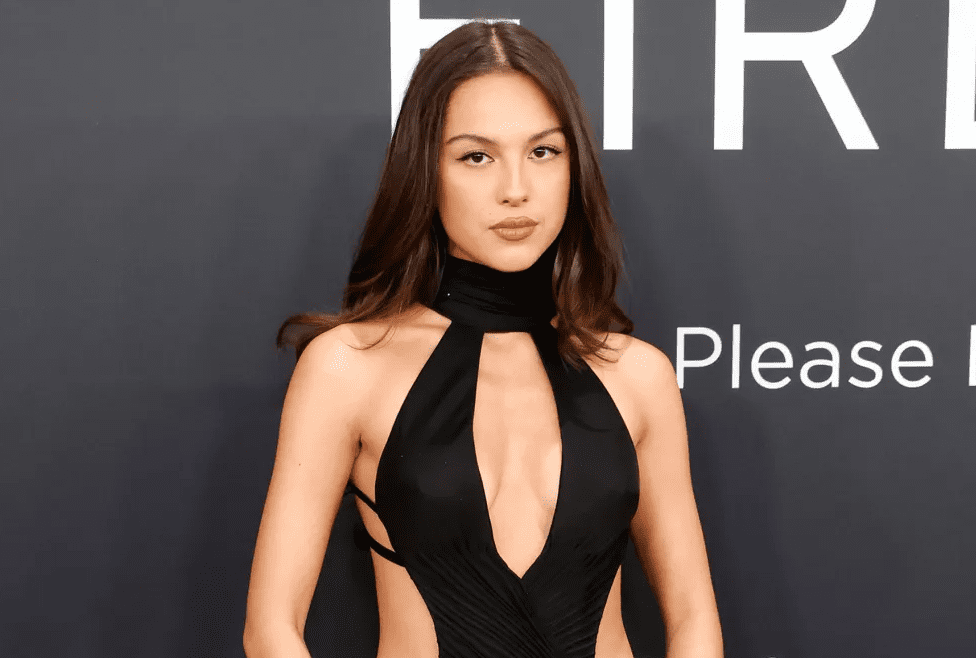
In an era where music often competes with algorithmic distraction, true pop superstardom requires more than catchy hooks—it demands emotional clarity. Olivia Rodrigo arrived at exactly the right cultural fracture point: a generation fluent in irony but starving for sincerity. What followed wasn’t just a breakout—it was a recalibration of what mainstream pop could feel like.
From her Disney Channel origins to global chart domination, Rodrigo has become less of a rising star and more of a cultural mirror.
The Sound of a Generation Learning to Feel Everything at Once
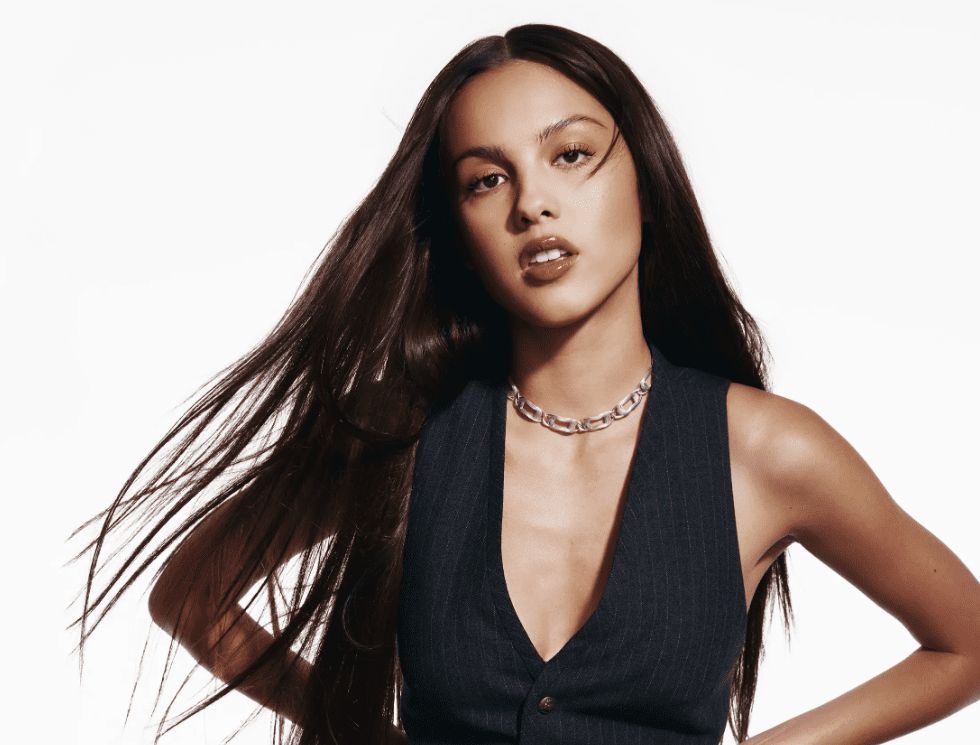
When Rodrigo released her debut single “drivers license,” it didn’t simply climb the charts—it absorbed the internet. The song unfolded like a private diary accidentally broadcast to millions, blurring the line between confession and spectacle.
It marked a shift in pop music’s emotional register. Vulnerability was no longer a niche aesthetic; it was the product.
Rooted in heartbreak, ambiguity, and the uncomfortable aftermath of growing up, the track captured something particularly Gen Z: the inability to separate emotion from digital amplification. TikTok didn’t just promote the song—it became part of its architecture, turning fragments of personal grief into a shared cultural experience.
From Disney Familiarity to Emotional Authority
Before the stadium tours and streaming records, Rodrigo was already embedded in the machinery of youth entertainment through roles in High School Musical: The Musical: The Series and earlier Disney projects.
But unlike many who pass through the Disney ecosystem, she didn’t remain defined by it. Instead, she used it as a springboard to establish something far more complex: authorship.
Her early decision to write and co-write her music signaled a departure from the manufactured pop pipeline. Rodrigo wasn’t being shaped by a brand—she was actively constructing one.
That distinction matters. It reframed her not as a product of Disney, but as a songwriter with intent.
The “Drivers License” Moment and the Anatomy of Virality
Few modern pop debuts have carried the cultural weight of “drivers license.” The song’s success wasn’t just commercial—it was narrative-driven. Audiences weren’t just listening; they were decoding.
Speculation around its inspiration fueled online discourse, but its emotional core stood independent of rumor. What made it powerful wasn’t the gossip—it was the specificity of feeling: jealousy, displacement, and the strange quiet of heartbreak lived in real time.
In many ways, Rodrigo became one of the first global pop stars shaped as much by storytelling ecosystems as by traditional music industry structures.
Pop-Punk Nostalgia, Reimagined for the Algorithm Age
With follow-up releases like “good 4 u” and “vampire,” Rodrigo expanded her sonic identity beyond piano-driven vulnerability into sharper, more aggressive emotional textures.
Her sound draws from early-2000s pop-rock and emo influences, yet it doesn’t function as nostalgia alone. Instead, it reframes those aesthetics through contemporary emotional language—less rebellion for rebellion’s sake, more emotional transparency disguised as distortion.
This duality is central to her appeal. Rodrigo doesn’t revive genres; she translates them.
A New Era: Control, Experimentation, and Creative Evolution
Her upcoming third studio album, “you seem pretty sad for a girl so in love,” signals a deliberate artistic pivot. The title alone suggests a deeper interrogation of emotional contradiction—love as both euphoria and instability.
Early descriptions of the project point toward a more experimental direction, blending soft rock textures, cinematic production, and introspective lyricism. Collaborating once again with producer Dan Nigro, Rodrigo continues to refine a sound that is both intimate and expansive.
This is not reinvention for spectacle—it is evolution for sustainability.
The Architecture of Modern Stardom
Rodrigo’s commercial footprint is impossible to ignore. Billions of streams, record-breaking chart entries, and a digital presence that spans millions of searches and social media references reflect a level of visibility that few artists achieve in the streaming era.
Yet her influence cannot be measured by metrics alone. What sets her apart is emotional consistency. Each release feels like a continuation of a personal narrative rather than a calculated shift in branding.
In a music industry increasingly defined by fragmentation, Rodrigo represents coherence.
Why Olivia Rodrigo Feels Different
There is a reason Rodrigo resonates across demographic lines. For younger listeners, she articulates emotional turbulence with precision. For older audiences, she revives a kind of songwriting honesty often associated with earlier eras of pop and rock.
She exists at the intersection of diary and performance, intimacy and scale.
And perhaps most importantly, she does not attempt to resolve emotional contradiction—she sits inside it.
Closing Reflection
Olivia Rodrigo’s rise is not just a story of pop success; it is a study in emotional translation. She has turned private feelings into public language without stripping them of nuance, allowing millions of listeners to see their own contradictions reflected back at them.
In a culture that often rewards detachment, Rodrigo’s music insists on the opposite: that feeling deeply is not only valid, but essential.
Her career is still unfolding, but its foundation is already clear—she is not documenting a generation from a distance. She is writing it from within.












Comments are closed.