
Introduction
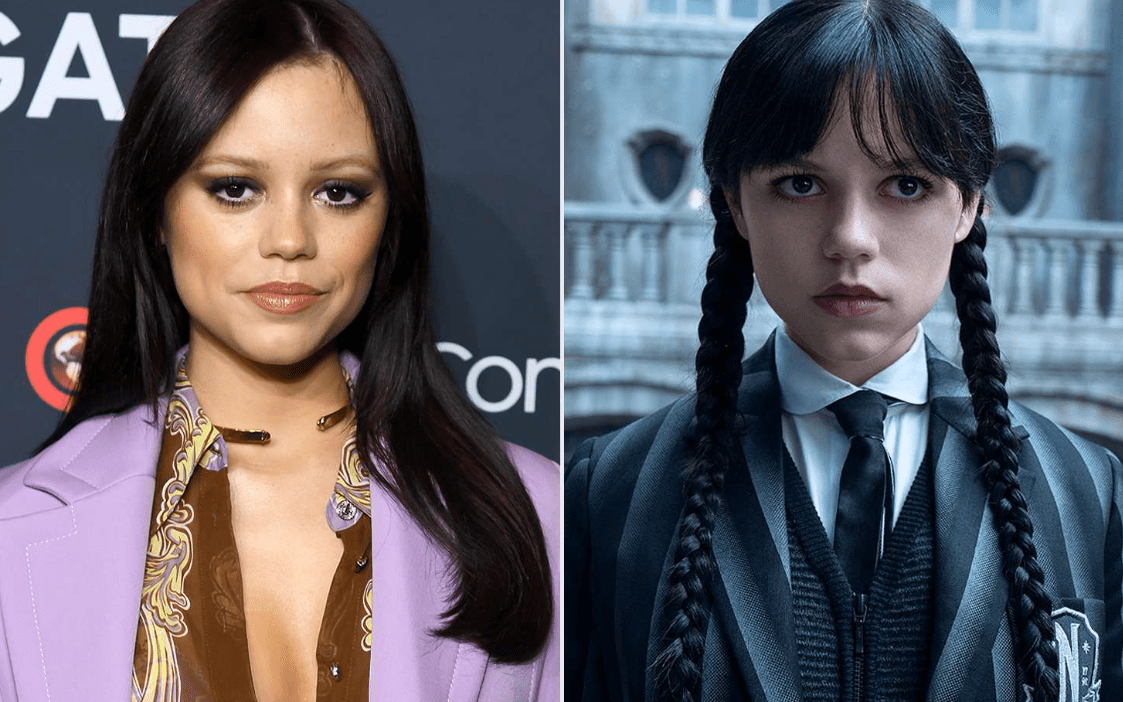
Fame, in the age of algorithms, is often loud, fleeting, and meticulously manufactured. Yet every so often, a figure emerges who feels entirely unscripted—someone who doesn’t just ride the wave of cultural obsession but subtly reshapes it. Jenna Ortega is one of those rare figures. Her ascent, propelled by Netflix’s cultural juggernaut Wednesday, has not only crowned her as a Gen Z icon but also revealed a deeper shift in what audiences now demand from celebrity: authenticity, edge, and emotional truth.
In a landscape oversaturated with polished personas, Ortega’s quiet intensity feels almost radical.
The Gothic Renaissance of a Cultural Icon
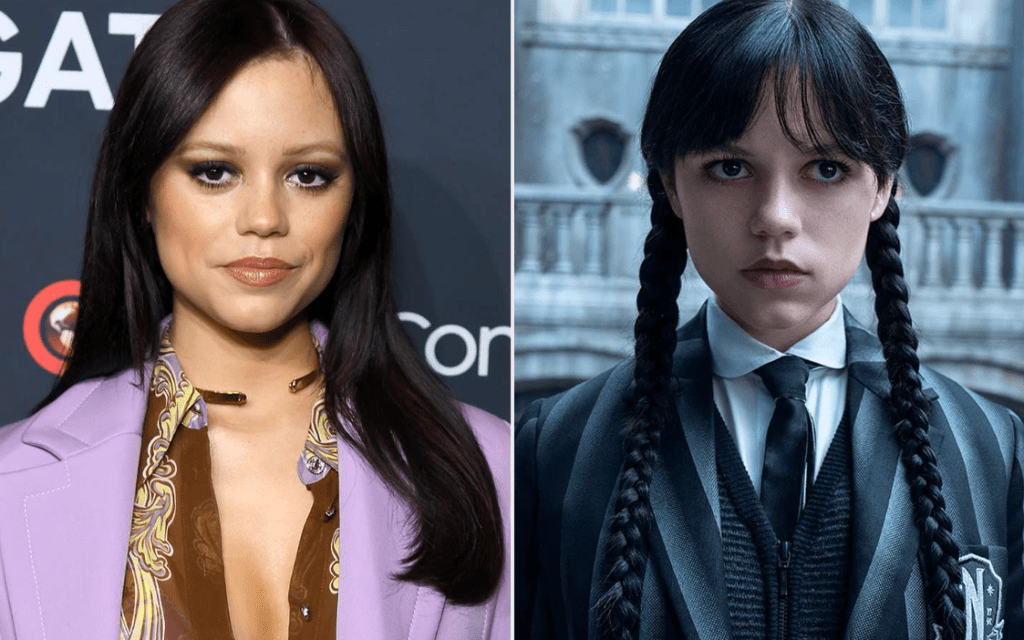
When Wednesday premiered, it wasn’t just another streaming success—it became a phenomenon. Reimagining the iconic Wednesday Addams, Ortega infused the character with a modern, razor-sharp sensibility that resonated far beyond nostalgia. The deadpan delivery, the viral dance, the refusal to conform—this wasn’t merely performance; it was cultural recalibration.
Under the direction of Tim Burton, the series leaned into gothic surrealism, but it was Ortega who grounded it. Her portrayal transformed Wednesday from a legacy character into a symbol of contemporary identity—detached yet observant, cynical yet deeply self-aware. It’s no surprise the series quickly became one of Netflix’s most-watched English-language shows of all time.
But the real impact lies in how it reshaped the aesthetic zeitgeist. Suddenly, gothic fashion wasn’t niche—it was aspirational. Black lace, stark silhouettes, and melancholic beauty dominated red carpets and TikTok feeds alike, with Ortega at the center of it all.
From Scream Queen to Serious Actress
Long before Nevermore Academy, Ortega had been quietly building credibility in one of Hollywood’s most demanding genres: horror. Films like Scream, Scream VI, and X positioned her as a modern “scream queen,” but the label barely scratches the surface.
Her performances carry a particular intensity—controlled, internal, and often unsettling. Ortega doesn’t rely on spectacle; she commands attention through stillness. It’s a quality that sets her apart in an industry that often rewards excess.
This range has allowed her to move fluidly between genres, refusing to be boxed into a single archetype. Whether navigating psychological thrillers or character-driven dramas, she brings a level of commitment that signals longevity—not just relevance.
Authenticity in the Age of Overexposure
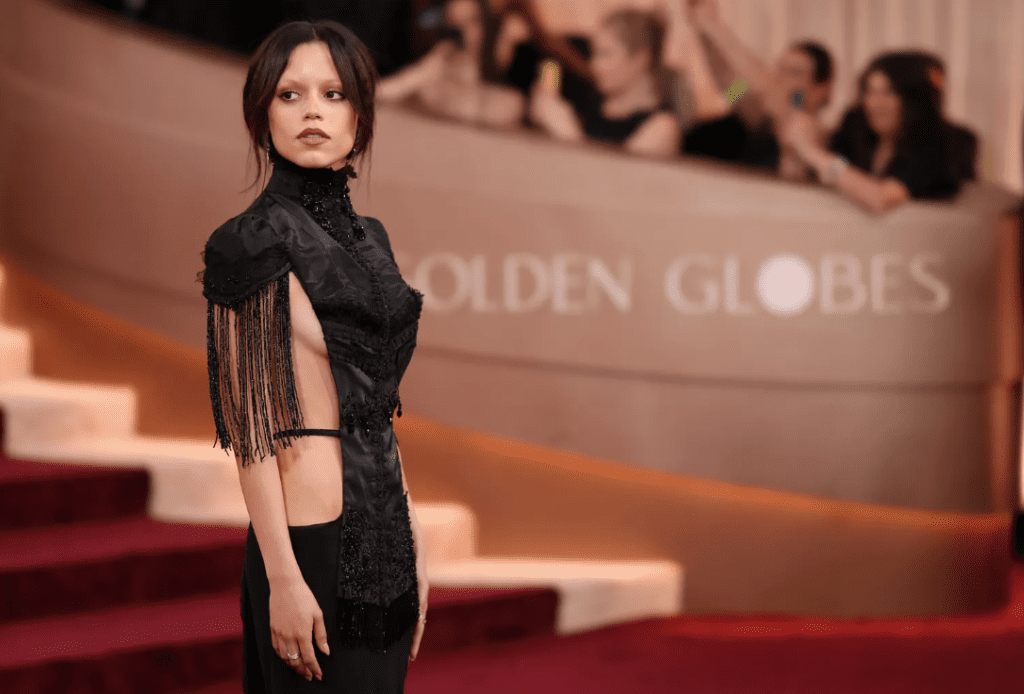
Perhaps the most compelling aspect of Ortega’s appeal isn’t her filmography—it’s her refusal to perform celebrity in the expected way.
In interviews, including a candid conversation with The Weeknd, Ortega has spoken openly about the anxiety that accompanies fame, the pressure to meet expectations, and the nostalgia for a time when anonymity allowed her to simply exist. It’s a striking contrast to the curated perfection often projected by public figures.
Her honesty resonates deeply with Gen Z audiences, who have grown increasingly skeptical of polished narratives. Ortega doesn’t position herself as untouchable; she is aspirational precisely because she feels human.
This authenticity extends to her advocacy. As a Latina actress navigating Hollywood, she has consistently spoken about representation—not as a trend, but as a necessity. In doing so, she aligns herself with a generation that values visibility, inclusion, and accountability.
Fashion, Identity, and the Power of Image
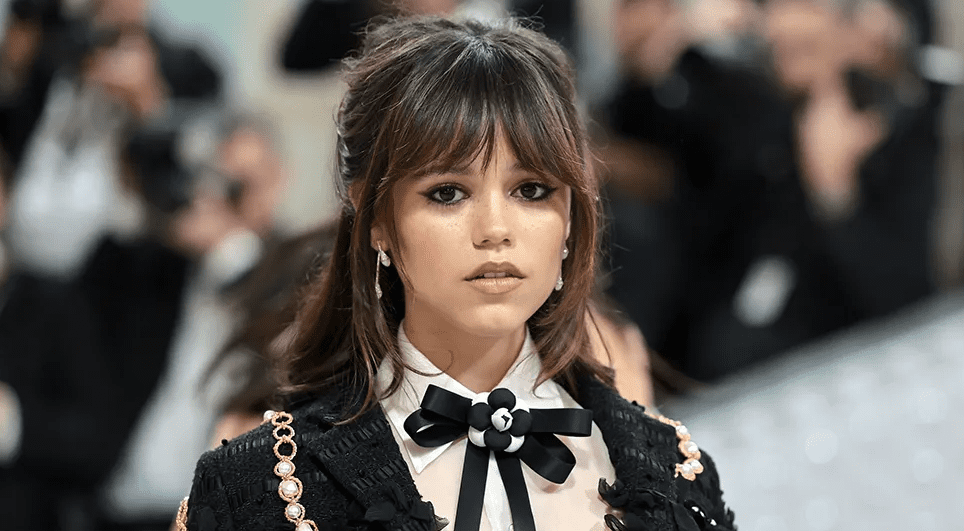
Ortega’s influence extends well beyond the screen. In fashion, she embodies a rare duality: editorial sophistication and subcultural edge. Her red carpet appearances—often marked by gothic elegance—have made her a muse for designers seeking to capture the mood of a generation that rejects conventional glamour.
There’s a deliberate tension in her style. It’s not about perfection; it’s about presence. Whether channeling dark romanticism or minimalist rebellion, Ortega’s fashion choices feel intentional, almost narrative-driven.
In an industry where image is currency, she has turned hers into a language.
The Weight of Visibility
Yet behind the meteoric rise lies a quieter story—one of pressure, expectation, and the psychological toll of visibility. Ortega has spoken about the relentless loop of anxiety that accompanies success, describing a shift from the thrill of the hustle to the burden of constant scrutiny.
It’s a familiar narrative in Hollywood, but her willingness to articulate it adds a layer of complexity to her public persona. She isn’t just navigating fame; she’s interrogating it.
And in doing so, she reflects a broader cultural moment—one in which success is no longer seen as purely aspirational, but also as something to be questioned, managed, and understood.
A New Blueprint for Stardom
What makes Jenna Ortega’s trajectory so compelling is not just her rapid ascent, but the way she’s redefining what it means to rise.
She represents a shift away from manufactured celebrity toward something more nuanced—where talent, authenticity, and cultural awareness intersect. In an industry constantly chasing the next big thing, Ortega feels less like a trend and more like a turning point.
Her future, already brimming with high-profile projects and creative control, suggests a career built not on fleeting virality but on sustained relevance. And if her current path is any indication, she isn’t just participating in Hollywood’s evolution—she’s helping to shape it.
Closing Reflection
Jenna Ortega’s story isn’t simply about fame; it’s about resonance. In a world that rewards noise, she has built her presence through precision—choosing roles, words, and images that feel intentional rather than performative.
If Hollywood’s next era belongs to those who can balance visibility with vulnerability, then Ortega isn’t just part of the conversation—she’s leading it.


Comments are closed.