
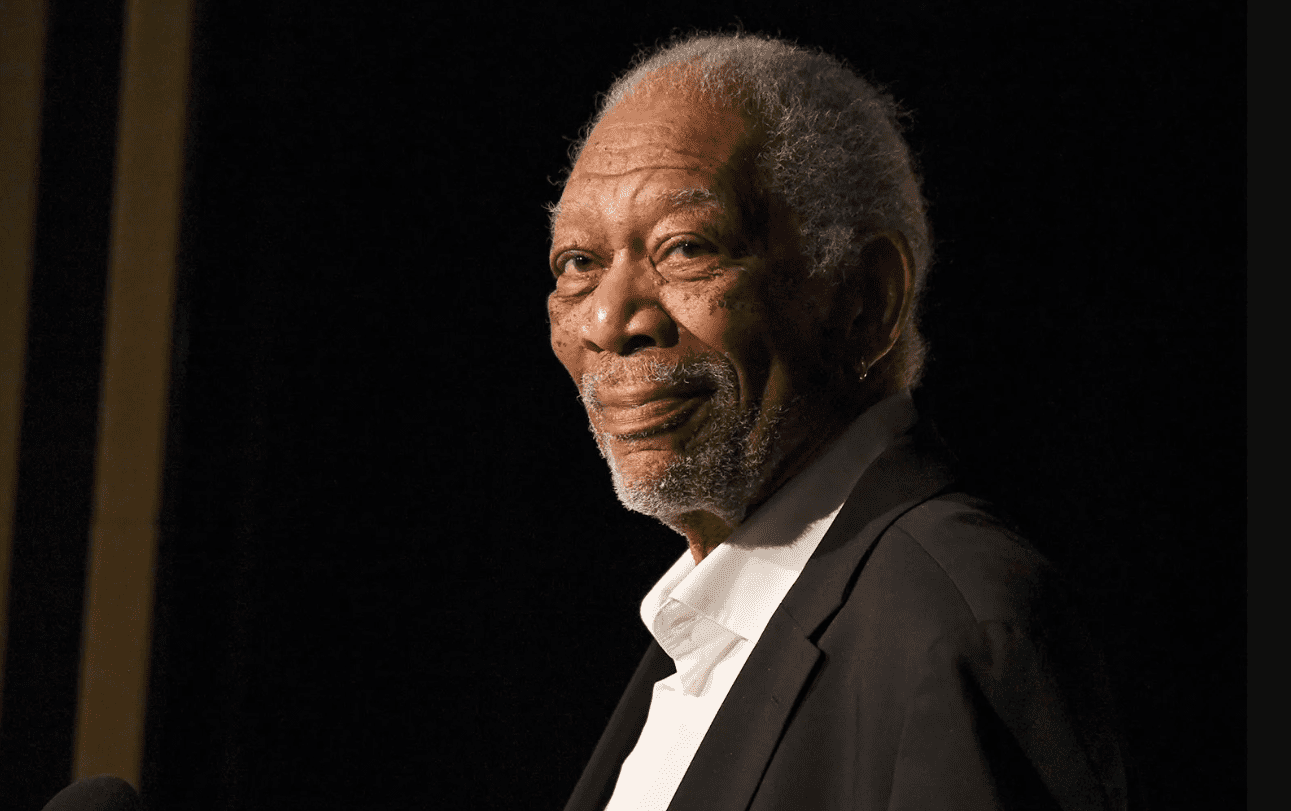
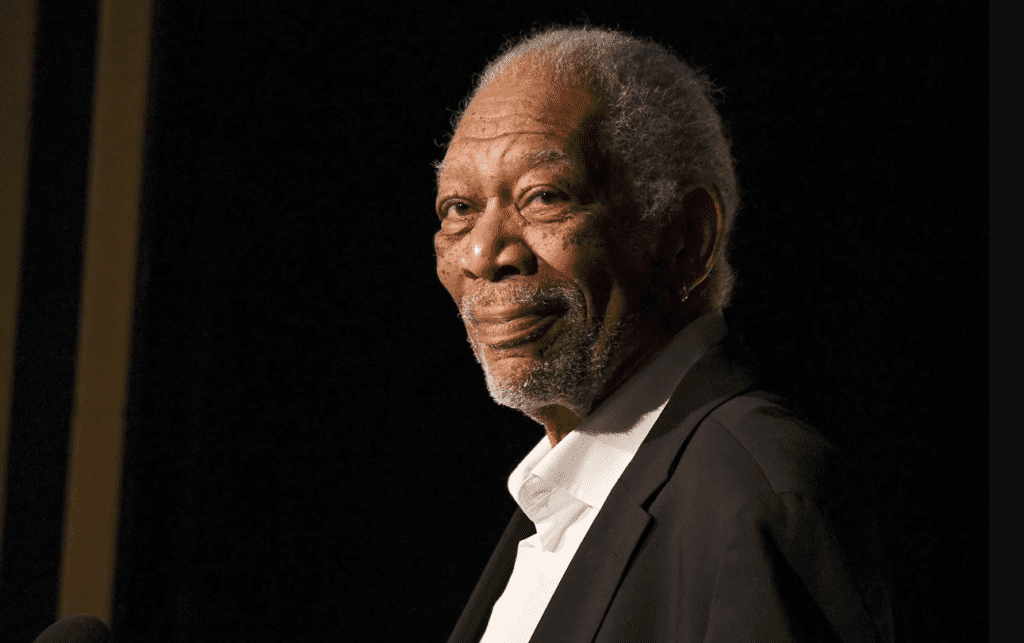
When the booming, rich cadence of Morgan Freeman begins to narrate a story, you listen. He’s delivered unforgettable performances in films like The Shawshank Redemption, Se7en, and even lent his voice to March of the Penguins. His voice has become an instrument in itself—instantly recognisable, deeply trusted, wholly Freeman.
Now, in the face of rapid advances in generative AI, he’s made it clear: mimicking his voice without permission is not admiration—it’s appropriation.
The Issue at Hand
As AI tools capable of replicating voices become more accessible, the entertainment world is waking up to a new reality. Deep-fakes, voice cloning, synthetic performers: all part of this evolving landscape. Freeman’s voice—so iconic—is squarely in the crosshairs of this technology. In a recent interview, he didn’t mince words: “Don’t mimic me with falseness. I don’t appreciate it and I get paid for doing stuff like that, so if you’re gonna do it without me, you’re robbing me.”
He also revealed that his lawyers have been “very, very busy.”
Why His Voice Means So Much
Freeman’s voice isn’t just deep and soothing—it’s crafted. He credits a college instructor for helping him speak clearly and hit his final consonants—a component of what makes his tone so commanding.
Because his voice is so closely tied to his identity, image and craft, it carries weight beyond narration. It’s part of his brand. And when anyone uses it—especially without his participation or approval—they’re piggy-backing on decades of work, not merely borrowing a sound.
The AI Threat to Authenticity
Freeman also addressed how synthetic voices and virtual “actors” threaten real people’s work. He mentioned the entirely AI-generated “actress” Tilly Norwood, critiquing how these creations “take the part of a real person, so it’s not going to work out very well in the movies or in television.”
The concern is two-fold: consent and craft. Actors want to control their likeness. Audiences want authenticity. AI risks diluting both.
Broader Implications for Creators and Audiences
What does Freeman’s warning mean for the wider industry and for us as consumers?
- For creators (actors, voice-artists, musicians): Your voice, looks, performances are intellectual property. The rise of AI means you’ll need to protect those assets more proactively.
- For platforms and brands: Using voice likenesses—even as a parody or homage—can bring ethical and legal risks if done without permission.
- For audiences: Be aware. When you hear a familiar voice, ask: is it the real person or an AI version? The line between homage and imitation is becoming blurrier.
What’s Next?
Freeman’s stance may signal a wider shift. As AI tools become more powerful and cheaper, the entertainment industry may develop stricter rules and norms around voice cloning, digital likenesses and synthetic performers. Behind the scenes, unions and legal teams may push for clearer protections and rights-of-publicity enforcement.
For Freeman, the message is clear: you cannot step into his voice without him.
Conclusion
Morgan Freeman’s voice has guided characters, narrated documentary worlds and become a cultural icon. Now, he refuses to let that voice be replicated without his involvement. His warning—that using generative AI to clone his distinct tone without consent amounts to theft—echoes a more significant challenge for creators everywhere. In an age where technology can imitate almost anything, authenticity becomes the most valuable currency.
If you’re going to show respect to a legend like Freeman, you do it the right way: with his participation, his permission—and never with falseness.


Comments are closed.