
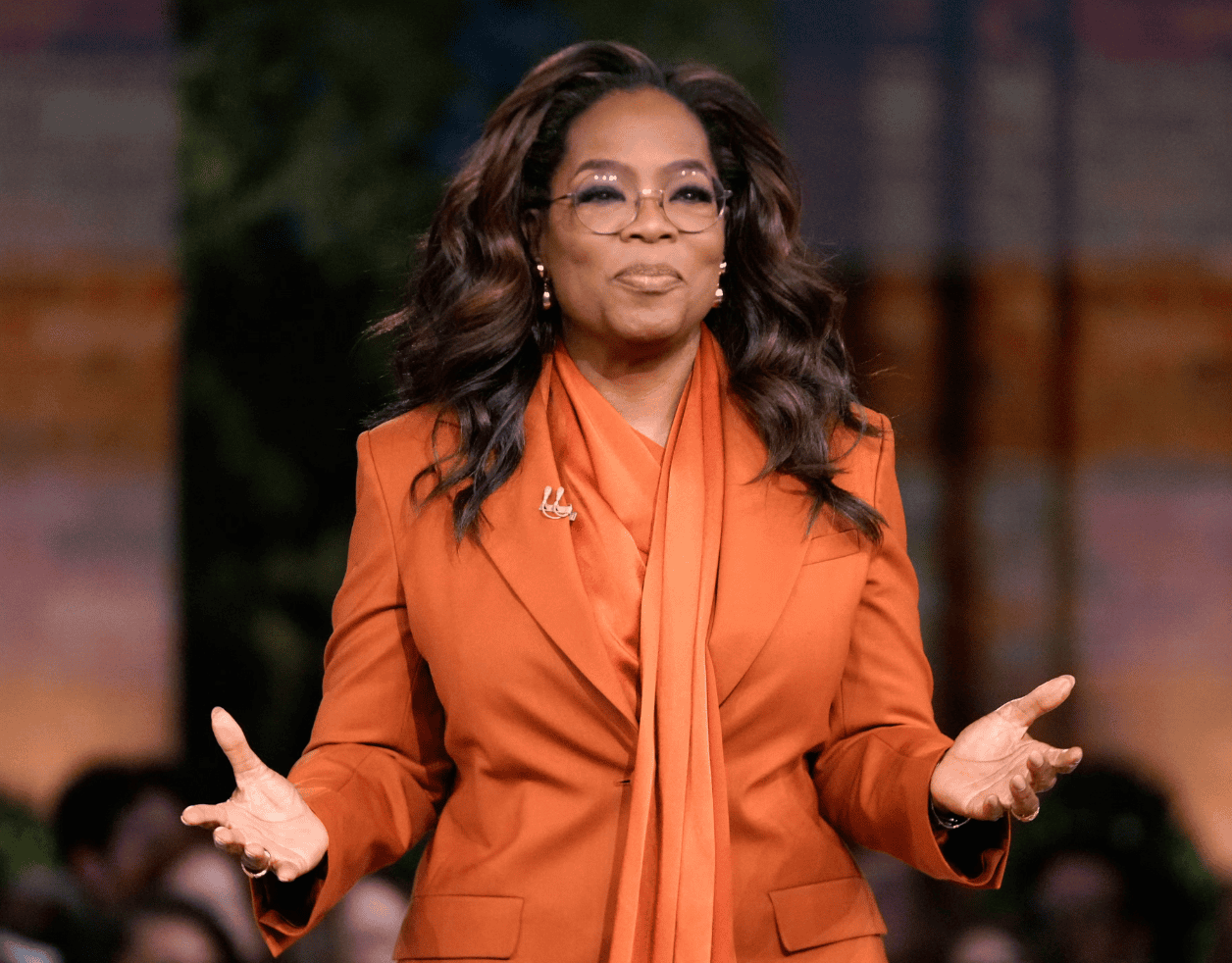
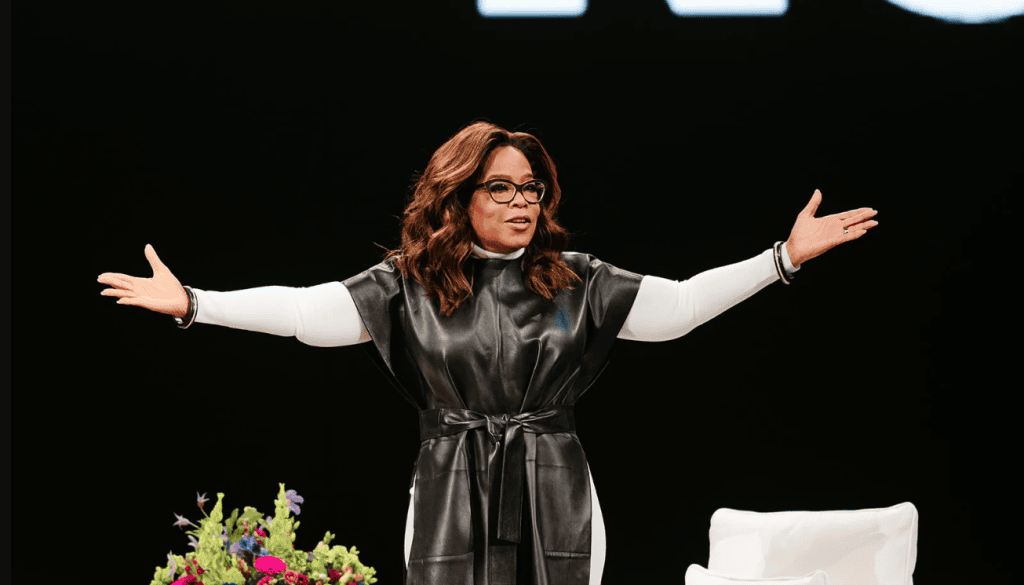
There are celebrities, there are media moguls, and then there is Oprah Winfrey—a cultural phenomenon whose influence has transcended television, publishing, philanthropy, and business for more than four decades. Few public figures have shaped modern media as profoundly as Oprah, whose name has become synonymous with empathy, empowerment, and authenticity.
Her journey is one of the most extraordinary success stories in entertainment history. Born into poverty in rural Mississippi and raised through hardship, Oprah transformed adversity into purpose. Long before she became one of the world’s most powerful women, she was a young television reporter struggling to find her place in an industry that often valued detachment over humanity.
Ironically, it was losing her job as a local news anchor that changed everything. Oprah has openly reflected on how she found traditional news reporting emotionally exhausting, admitting she couldn’t distance herself from the people whose stories she covered. Rather than simply reporting tragedy, she empathized with those in front of the camera—an approach that ultimately led to her dismissal from the newsroom. What was seen as a professional weakness would become the foundation of one of television’s greatest revolutions.
When The Oprah Winfrey Show launched nationally in 1986, daytime television was transformed almost overnight. Oprah abandoned sensationalism in favor of genuine conversation, creating a space where celebrities, world leaders, survivors, and everyday people could tell their stories with honesty and vulnerability. Her willingness to discuss her own childhood trauma, abuse, insecurities, and personal struggles encouraged millions of viewers to embrace conversations that had long been considered taboo.
This emotional openness became her greatest strength. Rather than interviewing guests, Oprah connected with them, pioneering an entirely new style of television built on compassion instead of confrontation. The result was one of the most successful talk shows in history, running for 25 years and reaching audiences across the globe.
Her influence soon expanded far beyond television. The now legendary “Oprah Effect” became one of the most powerful forces in popular culture. A single recommendation from Oprah could transform unknown authors into bestselling writers, launch small businesses into global brands, and turn products into overnight sensations. Her Book Club reshaped the publishing industry, while her annual Favorite Things episodes became cultural events eagerly anticipated by millions.
Yet Oprah’s greatest achievement may be the empire she built entirely on her own terms. Becoming the first Black female billionaire, she redefined what success could look like for women in media. Through Harpo Productions, O, The Oprah Magazine, film projects, and the Oprah Winfrey Network (OWN), she demonstrated that creative control and business leadership could coexist, inspiring generations of entrepreneurs and storytellers.
Beyond business, Oprah has consistently used her platform to create lasting social impact. Her philanthropic work includes scholarships, educational initiatives, disaster relief efforts, and the Oprah Winfrey Leadership Academy for Girls in South Africa, founded to provide educational opportunities for young women from disadvantaged backgrounds. In recognition of her humanitarian work and cultural influence, she received the Presidential Medal of Freedom in 2013, one of America’s highest civilian honors.
Even decades into her career, Oprah continues to evolve. Recent documentaries exploring her career have revisited the defining moments that shaped her journey—from being fired as a young reporter to becoming one of the most influential voices in modern history. Rather than rewriting the narrative, Oprah has embraced it, proving that setbacks often become the foundation of extraordinary success.
Her legacy cannot be measured solely by ratings, wealth, or awards. It lives in the conversations she normalized, the careers she launched, the books she elevated, and the countless people she inspired to tell their own stories without shame.
In an age driven by viral moments and fleeting fame, Oprah Winfrey remains something increasingly rare: a figure whose influence extends far beyond entertainment. She didn’t simply build a media empire—she changed how the world communicates, heals, and connects.
That is what makes Oprah Winfrey not just iconic, but one of the most influential women of the modern era.















Comments are closed.