
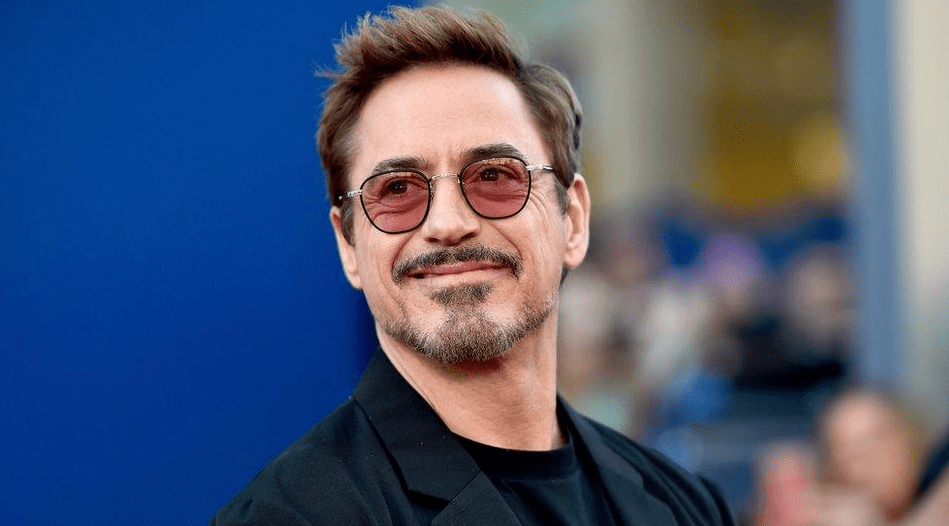
If modern cinema has a myth of transformation, it belongs to Robert Downey Jr.. Not just for becoming Tony Stark, but for turning personal collapse into one of the most powerful reinventions in entertainment history.
He isn’t simply an actor who played a superhero. He is the actor who made superheroes feel human again.
The Birth of a New Cinema Era
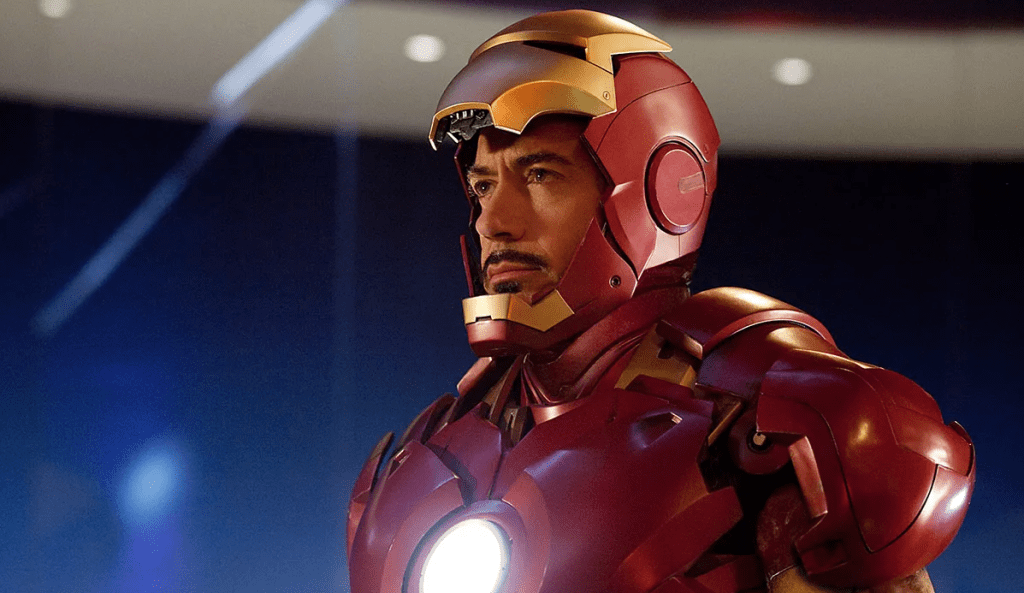
When Iron Man arrived in 2008, it didn’t just launch a franchise—it recalibrated an entire cinematic universe. At its center stood Downey, embodying Tony Stark with a rare mix of arrogance, intelligence, humor, and fragility.
Before him, superhero films often leaned toward mythic distance. After him, they became character studies wrapped in spectacle.
Stark wasn’t a perfect hero. He was brilliant, self-destructive, funny, and deeply flawed. And that contradiction became the blueprint for the entire Marvel era that followed.
The Most Human Kind of Superhero
What made Downey’s performance iconic wasn’t just charisma—it was recognition.
Tony Stark felt like a man constantly negotiating with himself: genius versus guilt, ego versus responsibility, collapse versus control. Downey didn’t just perform that tension—he had lived versions of it in public view.
That overlap between actor and role created something rare in blockbuster cinema: emotional authenticity inside a global franchise.
It’s why audiences didn’t just watch Iron Man. They believed in him.
The Greatest Comeback Story in Hollywood
Before the armor and the billion-dollar universe, Downey’s career had already become a cautionary tale of excess and instability. Then came the reversal—one of the most dramatic second acts in Hollywood history.
Instead of fading away, he rebuilt himself into one of the most bankable and respected actors of his generation.
Roles in Chaplin, Tropic Thunder, and Sherlock Holmes revealed range and precision, but it was Iron Man that fused his talent with cultural timing. The result wasn’t just a comeback—it was a reinvention of what comeback could mean.
Hollywood didn’t just welcome him back. It reorganized itself around him.
From Franchise Architect to Cultural Symbol
Downey didn’t just lead a film. He anchored an empire.
The Marvel Cinematic Universe became a global cultural force, and Tony Stark became its emotional nucleus. Even as the universe expanded into dozens of characters and narratives, the original spark remained his.
His influence extended beyond performance. It reshaped casting expectations, franchise storytelling, and even how audiences emotionally invest in long-form cinematic worlds.
At one point, he wasn’t just the face of Marvel—he was its language.
Legacy Beyond the Armor
What keeps Downey iconic isn’t nostalgia for Iron Man. It’s the complexity behind it.
He represents three overlapping myths at once: the genius billionaire hero, the flawed human being, and the artist who rebuilt himself publicly and successfully.
Few actors carry that kind of layered legacy—fewer still do it while remaining culturally relevant across decades.
His later recognition, including awards for dramatic work such as Oppenheimer, only reinforced what audiences had already sensed: Downey was never limited to one universe.
The Enduring Image
There are many superheroes in modern cinema, but only one actor who fundamentally changed what a superhero could feel like.
Robert Downey Jr. didn’t just play Iron Man. He made vulnerability part of the costume. He made sarcasm a form of emotional armor. And he made imperfection the most compelling trait in blockbuster storytelling.
In doing so, he didn’t just define an era of film—he defined its emotional core.
Closing Reflection
Iconic status is often granted to those who remain consistent. Downey’s legacy is the opposite: it is built on rupture, collapse, and return.
He is proof that cultural impact is not about perfection, but transformation. And in that sense, his greatest role was never Tony Stark.
It was becoming the person who could carry Tony Stark into history.














Comments are closed.