
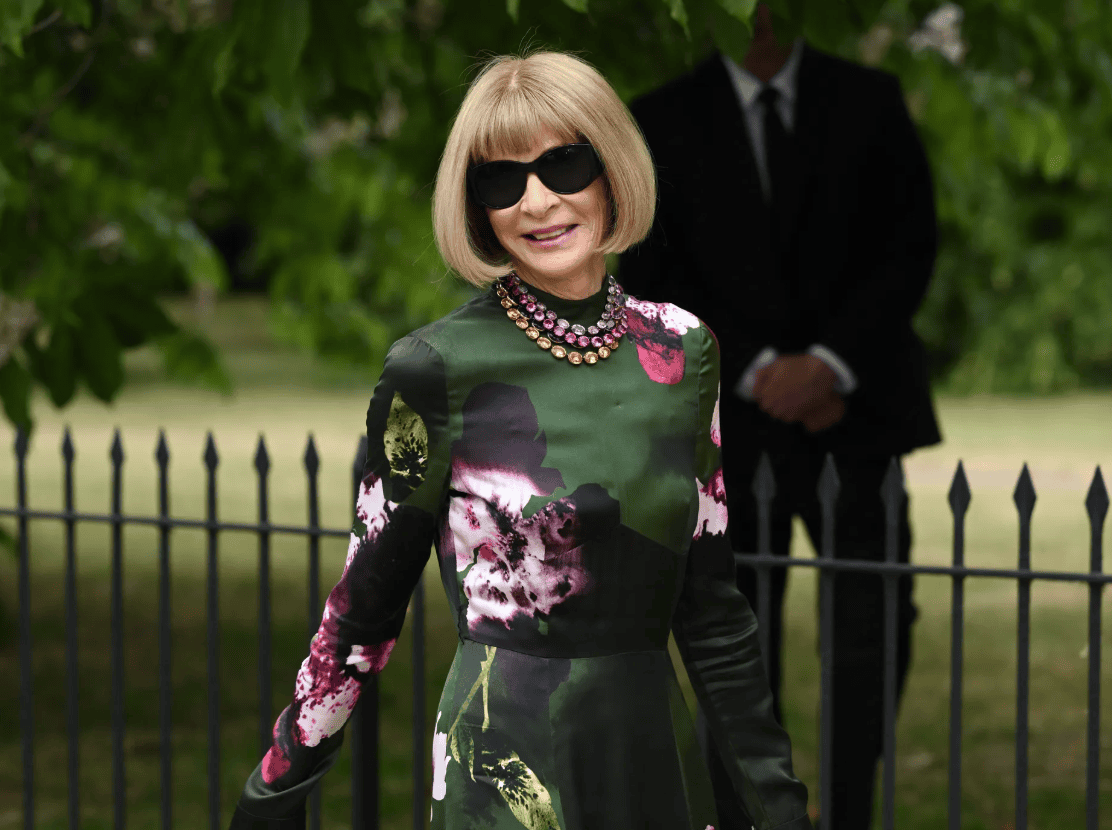
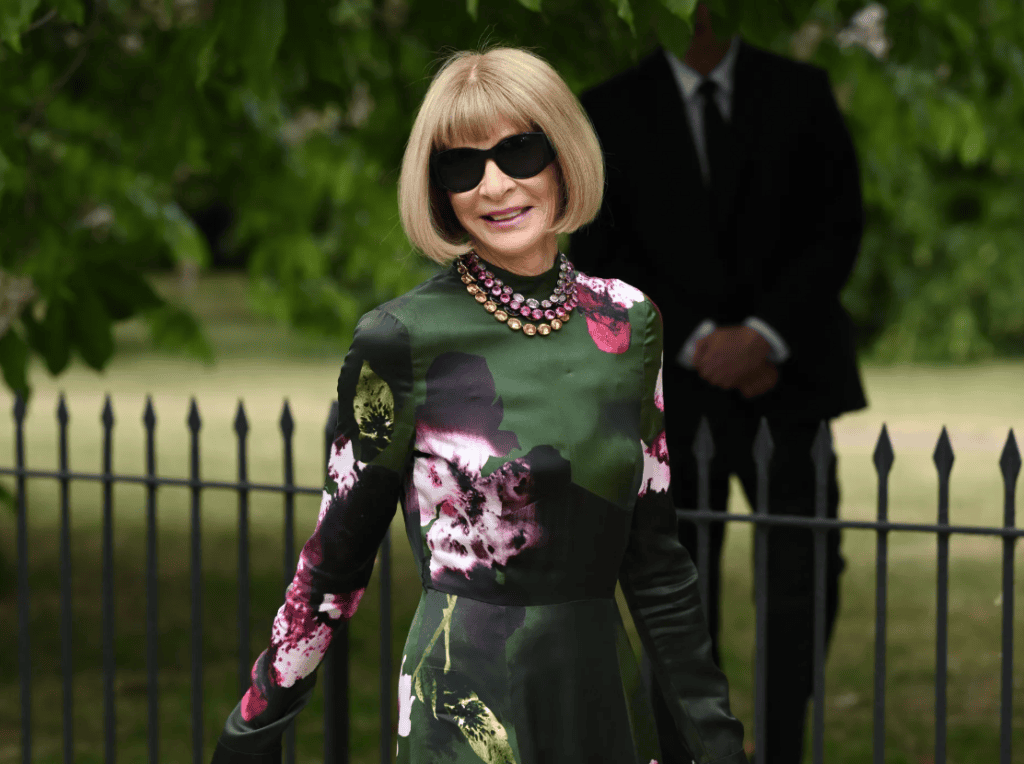
The John Galliano Met Gala tribute has been canceled, ending one of the most controversial plans in the recent history of the Metropolitan Museum of Art’s Costume Institute. The decision follows intense criticism of the choice to honor the British fashion designer, whose career was severely damaged by racist and antisemitic remarks captured on video in Paris in 2011.
The cancellation represents an unusual setback for Anna Wintour, the longtime Vogue leader who has played a defining role in shaping the Met Gala into one of the world’s most influential celebrity and fashion events. It also raises broader questions about how cultural institutions balance artistic achievement with the public record of controversial figures.
Why the John Galliano Met Gala Tribute Became So Controversial
The controversy centered on Galliano’s planned Costume Institute exhibition and the accompanying 2027 Met Gala. Galliano was expected to become only the third living designer to receive such a major tribute, following Yves Saint Laurent and Rei Kawakubo.
Yet his selection was contentious from the beginning.
In 2011, Galliano was filmed making racist and antisemitic remarks at a Paris café while intoxicated. The incident resulted in his dismissal from Dior and caused international condemnation. Although Galliano later apologized and has spoken publicly about the damage caused by his behavior, the episode remains a defining part of his public history.
That history became particularly sensitive amid continuing concern over antisemitism.
The planned exhibition therefore placed the Met and Wintour in an unusually difficult position. Supporters could point to Galliano’s enormous influence on modern fashion, while critics questioned whether celebrating his creative legacy was appropriate given the nature of his past comments.
The Met Gala Controversy Reaches a Breaking Point
The situation intensified after criticism from political figures and members of New York’s Jewish community.
According to reports, New York City Council Speaker Julie Menin urged the museum to reconsider the exhibition. The controversy also attracted comments from Mayor Zohran Mamdani’s administration, which acknowledged the anger and pain caused among Jewish New Yorkers while emphasizing the Met’s institutional independence.
Another complication involved the timing of the event. The planned May 3 date was reported to coincide with Holocaust Remembrance Day, adding another layer of sensitivity to an already difficult decision.
For an institution whose cultural influence extends well beyond fashion, the optics became increasingly difficult to defend.
John Galliano Withdraws From the Exhibition
The Metropolitan Museum ultimately announced that the Galliano exhibition would not proceed.
Museum director and CEO Max Hollein said that, after discussions with Galliano, both sides had decided not to move forward. Galliano also issued a statement expressing regret over the decision and acknowledging the pain caused by his past words.
Importantly, the museum framed the development as a joint decision rather than simply canceling Galliano’s appearance.
Galliano said he did not want debate surrounding him to overshadow the Costume Institute’s work. He also expressed continued remorse toward people affected by his previous remarks.
Anna Wintour publicly supported the decision, describing Galliano’s choice as courageous and saying she believed it was the right outcome.
Nevertheless, the reversal represents a major departure from the normal rhythm of the Met Gala.
A Rare Setback for Anna Wintour
For decades, Wintour has been one of the most powerful figures in fashion publishing. Her influence over Vogue, the fashion industry and the Met Gala has made her closely associated with the event’s extraordinary rise in cultural importance.
That makes the Galliano controversy especially significant.
The Met Gala has experienced controversies before, but few have threatened the fundamental relationship between the museum, fashion’s elite and the broader public in quite the same way.
The episode also arrives after other disputes involving Wintour and the gala.
In 2009, designers and models associated with Azzedine Alaïa reportedly objected to his work not being represented as expected in the Costume Institute exhibition. In 2013, Kim Kardashian’s appearance at the gala generated considerable attention because she was still viewed by some fashion insiders as an unlikely participant in the event.
Years later, Kardashian’s appearance in a dress associated with Marilyn Monroe generated another major controversy after questions emerged over the garment and its historical authenticity.
Those episodes eventually faded.
The Galliano dispute, however, touches on questions of antisemitism, institutional judgment and the responsibilities of museums. That makes it considerably more consequential.
Could the Galliano Decision Affect Wintour’s Future?
Speculation about Wintour’s position is now inevitable, although there is no confirmation that she plans to leave her role.
At 76, Wintour remains a remarkably influential figure. She has survived multiple shifts in fashion, publishing and popular culture, including intense criticism during the racial reckoning of 2020, when she apologized for Vogue’s treatment and representation of people of color.
The Galliano affair nevertheless presents a different challenge.
The question is not simply whether Wintour made a controversial fashion choice. It is whether the institution underestimated how strongly the public would react to honoring a designer whose past conduct remains deeply offensive to many people.
That distinction matters.
Galliano’s extraordinary creative influence is not necessarily in dispute. The controversy instead concerns whether artistic achievement should be enough to justify an institutional celebration, particularly when that celebration comes from one of the world’s most prominent museums.
The Met Now Faces a Difficult Reset
With the exhibition canceled, the Costume Institute must find a replacement concept for the next gala.
That means more than selecting another designer. The Met must also rebuild confidence among donors, fashion leaders, museum supporters and members of the public who questioned the original decision.
The institution has said that plans for a new exhibition and gala will be announced later.
A replacement theme could provide an opportunity for the Met to move beyond the controversy. However, the cancellation itself will remain part of the history of the event.
The episode demonstrates just how different the modern Met Gala is from the relatively private fashion-industry gathering it once was. Today, every guest, designer, sponsor and theme can become part of a worldwide cultural conversation within minutes.
What the Galliano Controversy Means for the Met Gala
The John Galliano Met Gala controversy is ultimately bigger than one designer or one fashion exhibition.
It highlights the increasingly complicated role museums play when celebrating influential but controversial artists. Institutions must consider not only historical significance and creative achievement, but also the communities affected by a figure’s conduct and the cultural message created by an official tribute.
For Wintour, the decision is a rare public setback after decades of extraordinary influence. For the Met, it is an opportunity to reconsider how it selects future honorees and communicates difficult decisions.
The next Met Gala will eventually take place under a different theme. Yet the Galliano episode will likely remain a significant reminder that even the most powerful institutions cannot separate fashion from the social and political questions surrounding it.
In the end, the cancellation may prove less important for what happens to one exhibition than for what it reveals about the changing expectations placed on the Met Gala, Anna Wintour and the cultural institutions behind fashion’s biggest night.








Comments are closed.