
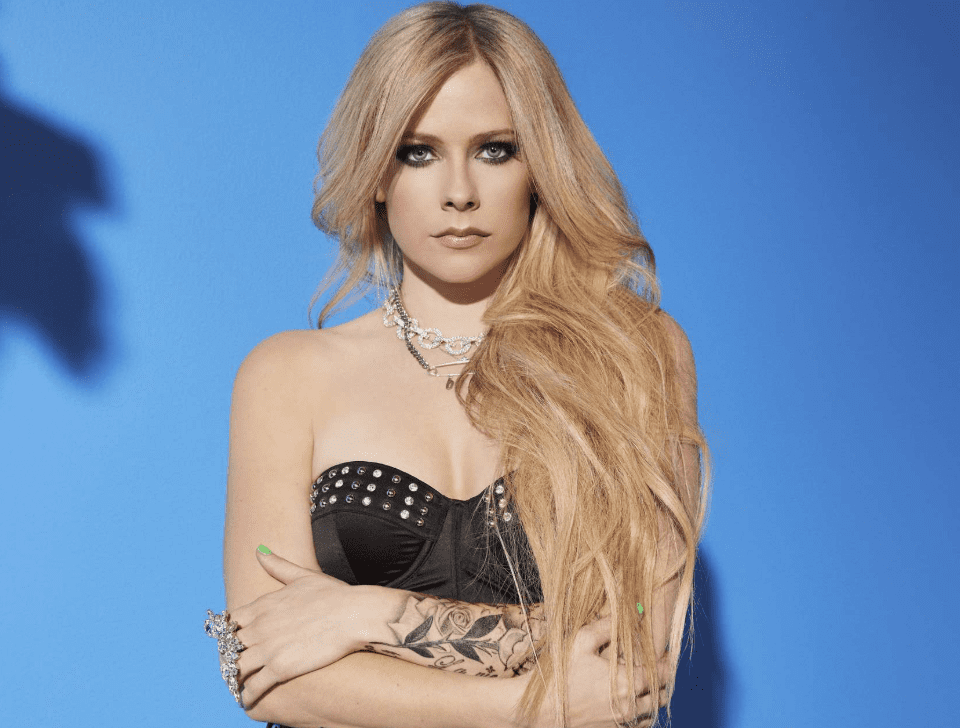
Introduction: The Soundtrack of Teenage Rebellion Never Really Left
Long before TikTok resurrected pop-punk aesthetics and Gen Z rediscovered emotional guitar music, Avril Lavigne had already written the blueprint.
The neckties, Converse sneakers, messy eyeliner, and unapologetic attitude were never just branding. They became cultural shorthand for a generation that wanted pop music with edges sharp enough to cut through perfection. More than two decades after Let Go exploded onto global charts, Avril Lavigne remains one of the few early-2000s artists whose influence feels genuinely alive rather than nostalgically preserved.
And in 2026, that legacy is louder than ever.
The Original Outsider Who Made Mainstream Pop Feel Rebellious
When Lavigne arrived in the early 2000s, pop music was polished to near-perfection. The charts were dominated by choreographed performances, glossy aesthetics, and meticulously curated femininity. Avril disrupted that formula almost instantly.
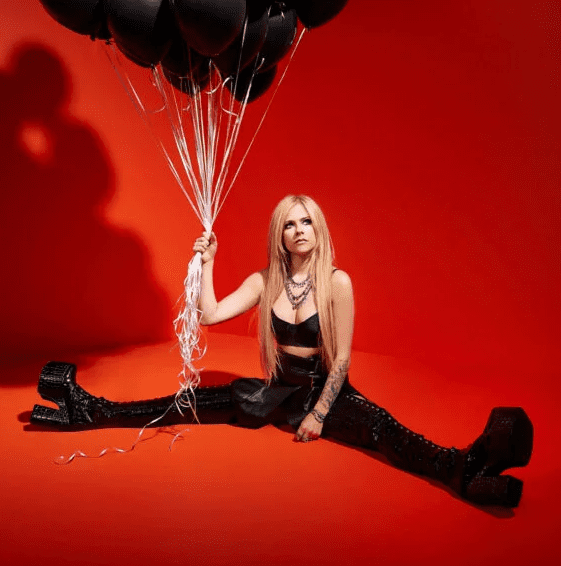
She wasn’t trying to be the girl-next-door or the untouchable superstar. She was sarcastic, emotionally direct, slightly chaotic, and dressed like she’d rather be at a skate park than a red carpet. For millions of teenagers, especially across North America, that authenticity felt revolutionary.
Songs like Complicated and Sk8er Boi became generational anthems not simply because they were catchy, but because they translated adolescent frustration into mainstream language. Avril understood alienation before social media turned it into a permanent identity.
Let Go: The Album That Changed Pop-Punk Forever
Released in 2002, Let Go wasn’t just a successful debut—it was a cultural reset.
The album fused punk energy with polished hooks in a way that felt commercially massive yet emotionally accessible. Tracks like I’m With You carried emotional vulnerability, while Sk8er Boi transformed teenage social dynamics into mythic storytelling.
More importantly, the album changed how young women occupied rock-adjacent spaces in mainstream music. Avril made guitar-driven music feel commercially dominant again without sacrificing femininity or emotional complexity.
The impact still echoes today. Streaming numbers continue climbing, nostalgic festival crowds scream every lyric, and younger artists openly cite her influence. In many ways, the current pop-punk revival owes an enormous debt to Avril’s ability to make rebellion marketable without making it feel fake.
Reinvention Through Chaos, Heartbreak, and Glitter
If Let Go introduced the rebel, Under My Skin deepened the emotional mythology. Darker, sharper, and more emotionally raw, the record expanded Avril’s identity beyond MTV-era pop-punk aesthetics.
Then came The Best Damn Thing, a project that leaned unapologetically into hyper-pop energy. Girlfriend became one of the defining singles of the 2000s—aggressive, playful, bratty, and impossible to escape. It proved Avril could weaponize pop maximalism without losing her edge.
That balance became central to her longevity. She evolved without abandoning the emotional DNA that made audiences connect with her in the first place.
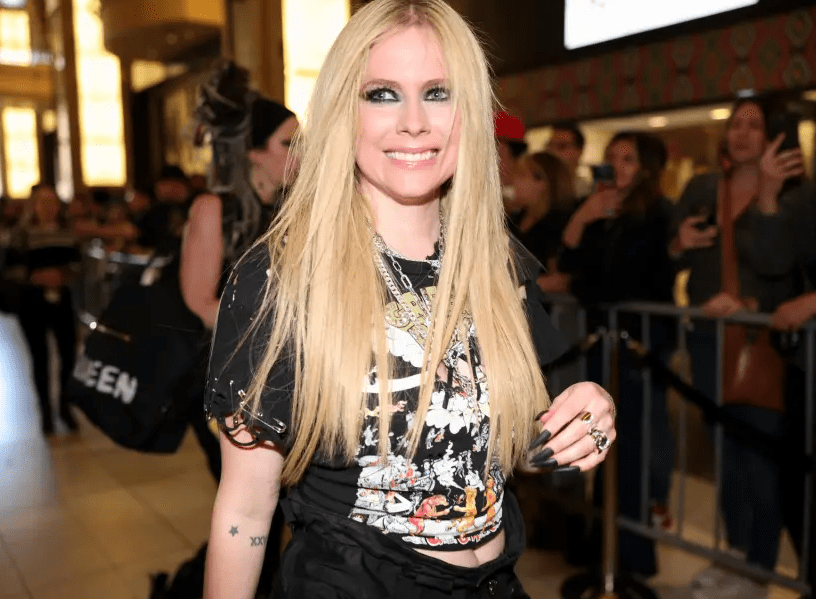
The Pop-Punk Revival and Avril’s Second Cultural Life
The 2020s unexpectedly reopened the door for artists once dismissed as “teen music.” Pop-punk returned through artists like Olivia Rodrigo, Machine Gun Kelly, and newer genre hybrids blending emotional lyricism with punk aesthetics.
But Avril never needed reinvention to fit the revival. She had already lived through the era everyone else was trying to recreate.
Her 2022 album Love Sux embraced exactly what fans wanted: loud guitars, emotional honesty, and chaotic hooks delivered without irony. Collaborations with newer artists positioned her not as a nostalgic relic, but as an architect returning to reclaim her own blueprint.
That distinction matters. Many artists survive through nostalgia tours. Avril survives through continued relevance.
“Ironic” and the Full-Circle Canadian Legacy
Her recent cover of Alanis Morissette’s Ironic feels symbolic for reasons beyond soundtrack placement.
The performance quietly acknowledges a lineage of Canadian women who transformed emotional honesty into cultural force. Morissette shattered expectations in the 1990s with Jagged Little Pill; Avril translated that emotional rebellion into mall-punk modernity for the 2000s.
The cover isn’t just homage—it’s continuity.
By revisiting Ironic, Avril steps into a larger musical narrative about female artists who challenged what mainstream women in pop were allowed to sound like.
Fashion, Identity, and the Era of “Authentic Cool”
Avril’s influence stretches far beyond music. Her aesthetic helped shape alternative youth fashion across the early internet era. Studded belts, striped arm warmers, layered tanks, and skater silhouettes became cultural markers tied directly to her image.
What once felt anti-fashion eventually became fashion itself.
Today’s Y2K revival, visible across TikTok, festival culture, and streetwear campaigns, continues recycling visual elements Avril normalized twenty years ago. The irony is almost poetic: the girl who rejected polished celebrity culture eventually became one of its most influential style references.
Why Avril Lavigne Still Matters
Avril Lavigne’s endurance comes down to one thing: emotional clarity.
Her music understood the awkwardness of growing up before online culture monetized vulnerability. She gave teenage confusion a soundtrack without making it feel performative. Even now, her songs retain a kind of emotional immediacy that newer artists still chase.
At a time when pop music often feels hyper-calculated, Avril’s catalog reminds listeners of something increasingly rare: imperfection that sounds believable.
Closing: Not Nostalgia — Legacy
The easiest mistake is to frame Avril Lavigne as a nostalgia act. But nostalgia alone doesn’t sustain streaming numbers, influence multiple generations of artists, or keep arena crowds screaming lyrics written over twenty years ago.
What Avril built was bigger than a trend. She created a language for outsiders that somehow became universal.
And perhaps that’s the most pop-punk thing imaginable: turning rebellion into permanence.









Comments are closed.