
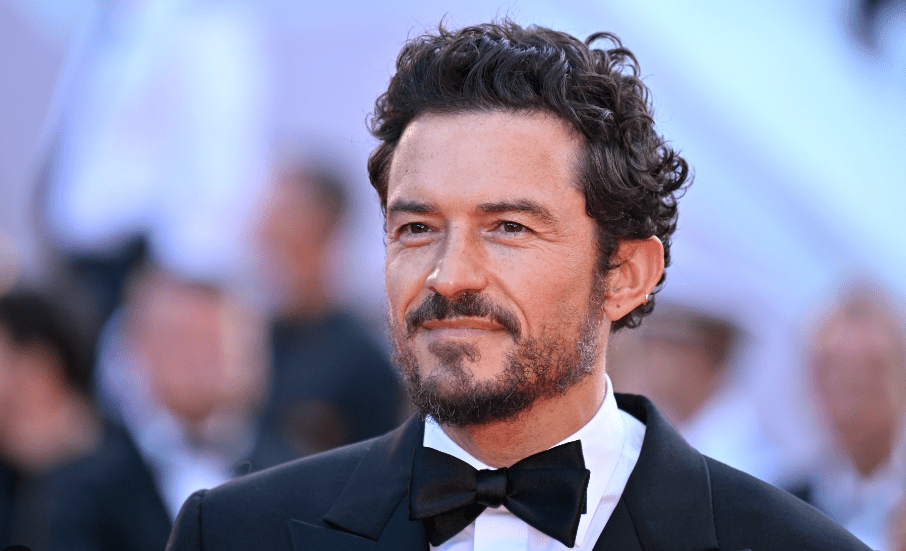
Few actors defined the blockbuster era of the early 2000s quite like Orlando Bloom. From wielding a bow as Legolas in The Lord of the Rings to battling pirates alongside Captain Jack Sparrow in Pirates of the Caribbean, Bloom became one of the most recognizable faces in fantasy and adventure cinema.
What makes his rise even more fascinating is that he did not come from a Hollywood dynasty or entertainment industry family. Instead, his journey to international stardom appears to be a rare combination of timing, determination, natural screen presence, and extraordinary luck.
Over two decades later, Orlando Bloom remains closely associated with some of the most beloved franchises in movie history. His influence on pop culture, especially among fantasy fans, continues to endure.
Orlando Bloom’s Breakthrough Changed His Life Overnight
Before becoming a global star, Orlando Bloom was simply a young British actor studying drama and trying to build a career. Born in Canterbury, England, Bloom came from a non-showbiz background and spent years training at respected drama institutions, including the British American Drama Academy and the Guildhall School of Music and Drama.
Like many aspiring actors, he appeared in small television roles and minor productions while searching for a breakthrough opportunity.
That breakthrough arrived in dramatic fashion when director Peter Jackson cast him as Legolas in The Lord of the Rings trilogy.
At the time, Bloom was only in his early twenties and had recently graduated from drama school. Initially, he reportedly auditioned for the role of Faramir before eventually being called back to read for Legolas instead.
That decision would completely transform his career.
Legolas Turned Orlando Bloom Into a Global Icon

When The Lord of the Rings trilogy premiered between 2001 and 2003, it became a worldwide phenomenon. Alongside massive box office success, the films introduced audiences to a new generation of stars.
Among them, Orlando Bloom quickly stood out.
As Legolas, the graceful and deadly elf warrior, Bloom combined athleticism, elegance, and cool confidence. The character’s acrobatic fight scenes, archery skills, and calm demeanor instantly resonated with audiences worldwide.
Why Legolas Became So Popular
Legolas represented the perfect fantasy hero for a new generation of moviegoers. He was fearless, mysterious, visually striking, and emotionally restrained without feeling cold.
Additionally, Bloom’s chemistry with the rest of the Fellowship, especially the humorous rivalry between Legolas and Gimli, added depth to the character.
Importantly, Bloom also committed heavily to the physical demands of the role. Training in archery, sword combat, and horseback riding helped him bring authenticity to the action-heavy performance.
As a result, Legolas became one of the defining fantasy characters of modern cinema.
Pirates of the Caribbean Cemented His Superstar Status
While many actors struggle to escape a breakout role, Orlando Bloom accomplished something extremely rare. Immediately after The Lord of the Rings, he landed another major franchise with Pirates of the Caribbean.
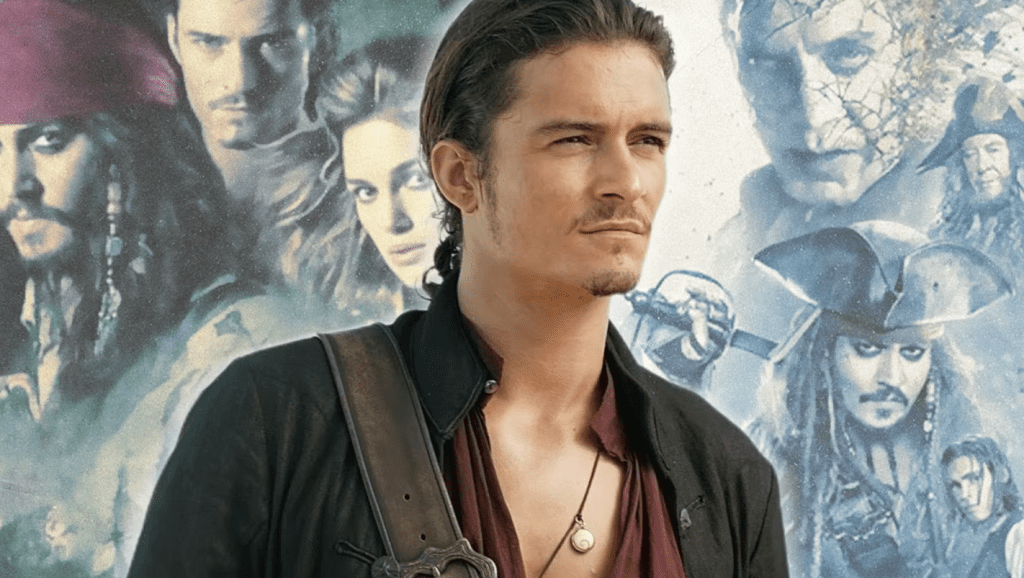
In the hugely successful series, Bloom portrayed Will Turner, a noble blacksmith who becomes entangled in supernatural pirate adventures alongside Johnny Depp’s legendary Captain Jack Sparrow.
The films became massive global hits and further elevated Bloom’s celebrity status during the 2000s.
Orlando Bloom Became a Hollywood Heartthrob
At the height of his fame, Orlando Bloom evolved into one of Hollywood’s biggest heartthrobs. His appearances in fantasy epics and action-adventure films created a strong pop culture image that resonated especially with younger audiences.
The combination of Legolas’ ethereal fantasy aesthetic and Will Turner’s romantic hero persona turned Bloom into a global celebrity almost overnight.
Magazines, entertainment outlets, and fan communities regularly celebrated him as one of the defining stars of the decade.
Moreover, his fame extended beyond movie audiences. Bloom became deeply embedded in internet fandom culture during the early rise of online fan communities and social media discussion.
Orlando Bloom’s Success Wasn’t Built on Industry Connections
One reason Bloom’s story continues to fascinate people is because his rise did not follow the typical Hollywood nepotism narrative.
Unlike many modern celebrities connected to entertainment dynasties, Orlando Bloom entered the industry without major family ties or insider advantages.
Instead, his career trajectory appears to reflect exceptional timing combined with natural charisma and strong casting opportunities.
The Right Actor at the Right Time
Critics and fans alike often acknowledge that Bloom may not possess the dramatic range of some award-winning actors. However, many agree that he perfectly suited the characters that made him famous.
Legolas required elegance, physicality, and visual presence more than emotionally explosive acting. Similarly, Will Turner functioned as a grounded heroic counterbalance within the chaos of Pirates of the Caribbean.
Bloom delivered exactly what those franchises needed.
Consequently, his casting became one of Hollywood’s best examples of an actor finding roles perfectly matched to his strengths.
Beyond Fantasy Franchises
Although fantasy and adventure films defined his image, Orlando Bloom also appeared in several major historical and dramatic productions throughout the 2000s.
These included Black Hawk Down, Troy, and Kingdom of Heaven.
In Troy, Bloom surprised many viewers by portraying Paris as flawed, impulsive, and emotionally conflicted rather than traditionally heroic. Meanwhile, Kingdom of Heaven gave him a larger dramatic leading role under director Ridley Scott.
While not every performance received universal acclaim, these projects demonstrated Hollywood’s confidence in Bloom during his peak years.
Orlando Bloom Faced Burnout After Years of Fame
After dominating blockbuster cinema for nearly a decade, Bloom eventually stepped away from constant Hollywood exposure.
In interviews, he later admitted experiencing burnout from nonstop publicity and major studio productions. He also shifted focus toward family life and personal growth.
During this period, he explored theater work, including a Broadway production of Romeo and Juliet, while also taking on smaller film and television roles.
Importantly, Bloom never fully disappeared from acting. Instead, he transitioned into a more selective phase of his career.
More recently, projects like Carnival Row and Orlando Bloom: To The Edge have introduced him to newer audiences.
Orlando Bloom’s Legacy in Modern Cinema
Today, Orlando Bloom remains strongly associated with the golden era of fantasy blockbusters that shaped the early 2000s.
Very few actors can claim major roles in multiple globally successful franchises at such a young age. Even fewer achieve that success without significant industry connections.
His journey from drama school graduate to worldwide celebrity highlights how unpredictable Hollywood success can be.
Why Orlando Bloom Still Matters
Even years after his biggest box office successes, Bloom continues to hold an important place in pop culture history.
Legolas remains one of fantasy cinema’s most beloved characters. Meanwhile, Pirates of the Caribbean still stands among Disney’s most successful live-action franchises ever produced.
For many fans, Orlando Bloom represents a nostalgic era when large-scale fantasy adventures dominated theaters and created cultural moments that lasted for years.
Conclusion
Orlando Bloom’s rise to fame remains one of Hollywood’s most fascinating success stories. Without major industry ties, he managed to land iconic roles in two of the biggest film franchises of all time and became one of the defining stars of the 2000s.
From Legolas to Will Turner, Bloom built a career rooted in charisma, physical performance, and unforgettable screen presence. While luck certainly played a role, his ability to embody heroic fantasy characters helped secure his place in modern cinema history.
More than two decades later, Orlando Bloom’s impact on blockbuster filmmaking and pop culture continues to resonate with audiences around the world.











Comments are closed.